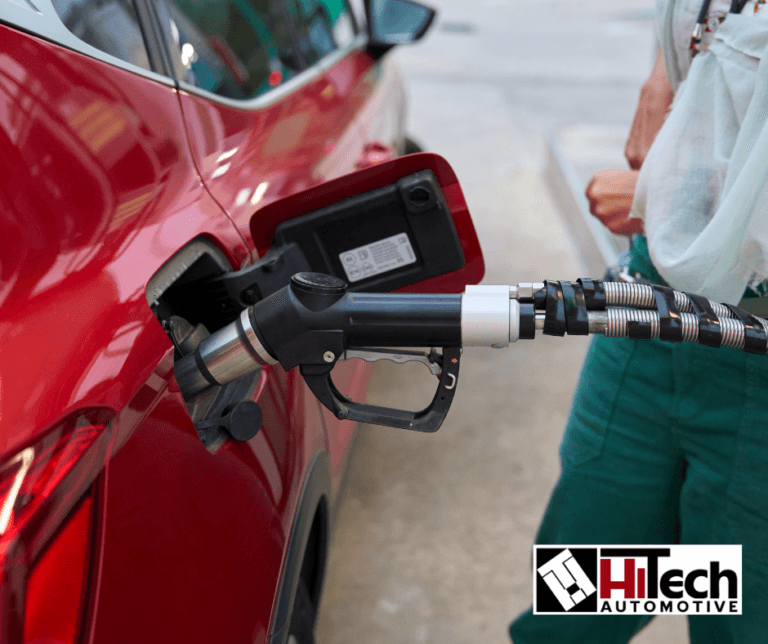
If you feel like you’re spending more on gas than you should, you’re not alone. Many drivers don’t realize how small habits, vehicle issues, or maintenance neglect can drastically impact fuel efficiency. At HiTech Automotive, we see vehicles every day that are wasting fuel due to overlooked problems or poor driving habits. By identifying the signs early and making simple adjustments, you can save money, reduce emissions, and get more out of every tank.
1. Frequent Fill-Ups
One of the most obvious signs you’re spending more on gas is having to refuel more often than usual. If your fuel consumption suddenly increases without a change in driving habits or routes, it may indicate an underlying issue. Causes can range from underinflated tires to engine problems. Tracking your fuel usage over time helps you spot trends and address inefficiencies before they become costly.
2. Poor Acceleration or Engine Performance
When your engine struggles during acceleration, it may be burning fuel inefficiently. Worn spark plugs, dirty fuel injectors, or clogged air filters can all reduce engine efficiency, causing your car to use more fuel than necessary. Regular maintenance, including tune-ups and air filter replacements, ensures your engine runs efficiently and helps prevent spending more on gas.
3. Irregular Tire Pressure
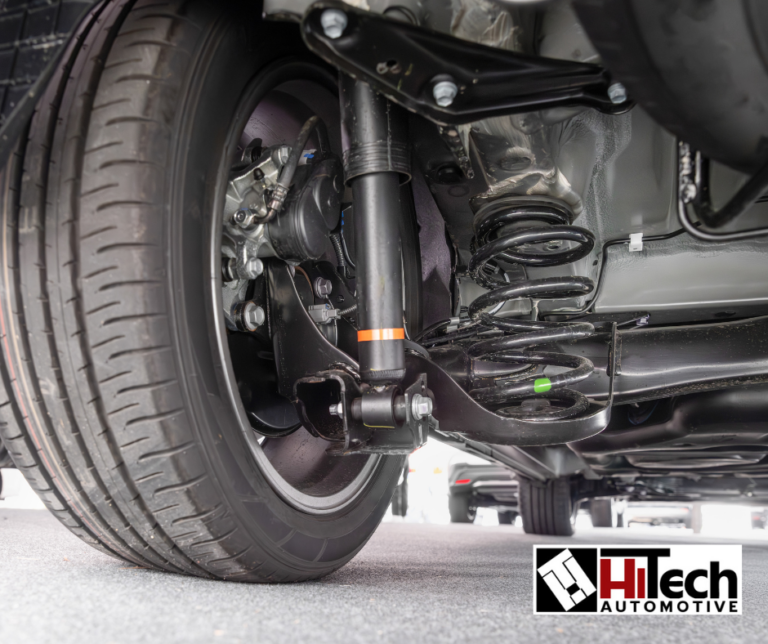
Tires that are underinflated or overinflated can dramatically affect fuel economy. Low tire pressure increases rolling resistance, forcing your engine to work harder and consume more fuel. Conversely, overinflated tires reduce traction and can wear unevenly, which also affects efficiency. Checking tire pressure monthly and before long trips is a simple step to save money at the pump.
4. Excessive Idling
Leaving your car running while parked may feel convenient, but it wastes fuel. Modern engines are designed to use very little fuel when running efficiently, but idling for long periods can quickly add up. If you notice higher fuel bills without more driving, consider limiting idling and turning off your engine when stopped for extended periods.
5. Aggressive Driving Habits
How you drive significantly impacts fuel consumption. Hard acceleration, abrupt braking, and speeding all increase fuel usage. Drivers who frequently rush or tailgate may notice they’re spending more on gas than those who maintain a smooth, consistent driving style. Practicing gradual acceleration, anticipating stops, and obeying speed limits can lead to noticeable fuel savings.
6. Carrying Excess Weight
Extra weight in your vehicle reduces fuel efficiency. Heavy cargo, roof racks, or unnecessary equipment make your engine work harder and burn more fuel. If you regularly carry items you don’t need, removing them can improve efficiency and help you spend less on gas over time.
7. Using the Wrong Fuel or Poor-Quality Fuel
Using fuel with a lower octane rating than recommended, or purchasing poor-quality fuel, can reduce performance and efficiency. Your vehicle’s engine is calibrated for specific fuel types, and deviating from that can result in higher consumption. Always follow manufacturer recommendations to avoid unnecessary fuel costs.
8. Delayed Maintenance
Neglecting routine maintenance, such as oil changes, transmission service, or fuel system cleaning, can make your engine less efficient. A poorly maintained engine uses more fuel to produce the same amount of power. Staying on top of your maintenance schedule is one of the simplest ways to reduce fuel consumption and avoid spending more on gas.
9. Check Engine Light
A check engine light may indicate a problem that’s costing you fuel. Sensors, emissions systems, and engine performance issues can all trigger the warning light while simultaneously decreasing efficiency. Ignoring the light can lead to more expensive repairs and continued fuel waste. If your check engine light is on, visit a trusted service provider like HiTech Automotive to diagnose and fix the issue promptly.
10. Poor Aerodynamics
Adding accessories like roof boxes, bike racks, or even open windows can reduce fuel efficiency by affecting your vehicle’s aerodynamics. The added drag forces your engine to work harder, which increases fuel consumption. Minimizing these factors when not needed can save a surprising amount of money over time.
Conclusion
If you notice any of these signs, you could be spending more on gas than necessary. From vehicle maintenance and tire care to driving habits and aerodynamics, small changes can lead to significant fuel savings. Regular inspections and preventive maintenance at a trusted shop like HiTech Automotive help ensure your car operates efficiently, keeps fuel costs down, and reduces unnecessary wear. Click here to schedule an appointment with HiTech today!
For more tips on saving fuel and improving efficiency, the U.S. Department of Energy provides helpful guidance.
By being proactive and addressing these warning signs, you can improve fuel economy, save money on gas, and extend your vehicle’s life.