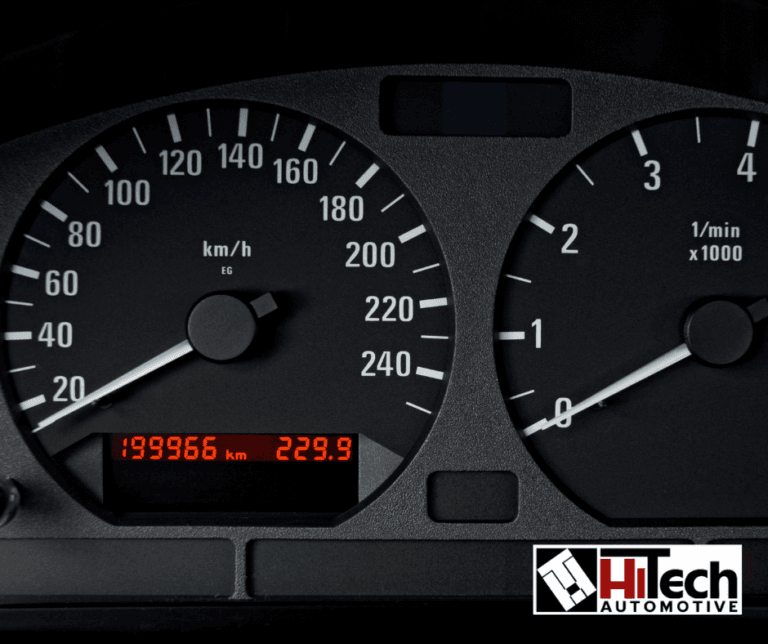
Making your vehicle last 200,000 miles or more is a realistic goal for many drivers who commit to proper care and smart driving habits. At HiTech Automotive, we regularly service high-mileage vehicles that continue to perform reliably because their owners stay proactive. Vehicle longevity is not about luck—it’s about consistency, attention to detail, and addressing issues before they become major problems. With modern engineering and routine care, it is entirely possible to help your vehicle last well beyond expectations.
Follow a Consistent Maintenance Schedule
One of the most important steps to help your vehicle last long-term is following the manufacturer’s recommended maintenance schedule. This includes routine oil changes, filter replacements, fluid checks, and inspections. Engine oil lubricates internal components, reduces friction, and helps regulate temperature. When oil changes are delayed, contaminants build up, leading to accelerated engine wear and reduced performance.
Preventative maintenance may seem repetitive, but it is far more cost-effective than major repairs caused by neglect. Staying on schedule ensures each system receives the care it needs at the proper time.
Pay Attention to Early Warning Signs
Vehicles often provide warning signs before a serious failure occurs. Dashboard warning lights, unusual noises, vibrations, or changes in handling should never be ignored. When small issues are addressed early, they are usually easier and less expensive to fix.
Delaying repairs can cause additional stress on surrounding components, turning a simple fix into a costly breakdown. Prompt attention helps your vehicle last longer and keeps repair expenses manageable over time.
Maintain the Cooling System
The cooling system plays a critical role in engine longevity. Engines generate extreme heat, and without proper cooling, internal components can warp, crack, or fail entirely. Regular coolant flushes, hose inspections, and radiator checks help maintain proper operating temperatures.
Even a small coolant leak or worn hose can quickly escalate into an overheating issue. Keeping the cooling system in good condition is essential if you want your vehicle last for hundreds of thousands of miles.
Practice Smooth Driving Habits
Driving behavior has a major impact on how long a vehicle lasts. Aggressive acceleration, hard braking, and excessive speeding place unnecessary strain on the engine, transmission, brakes, and suspension. Over time, this added stress leads to premature wear.
Smooth, consistent driving reduces mechanical strain and improves fuel efficiency. Allowing your engine to warm up briefly, braking gradually, and avoiding excessive idling all contribute to long-term reliability and help your vehicle last longer.
Don’t Overlook Transmission Care
The transmission is one of the most complex and expensive components in any vehicle. Despite this, it is often overlooked until problems arise. Regular transmission fluid services help ensure smooth shifting, reduce friction, and prevent overheating.
While some modern vehicles have extended service intervals, transmission fluid still breaks down over time. Clean fluid is essential to helping your vehicle last and avoiding one of the most costly repairs a driver can face.
Keep Tires, Alignment, and Suspension in Check
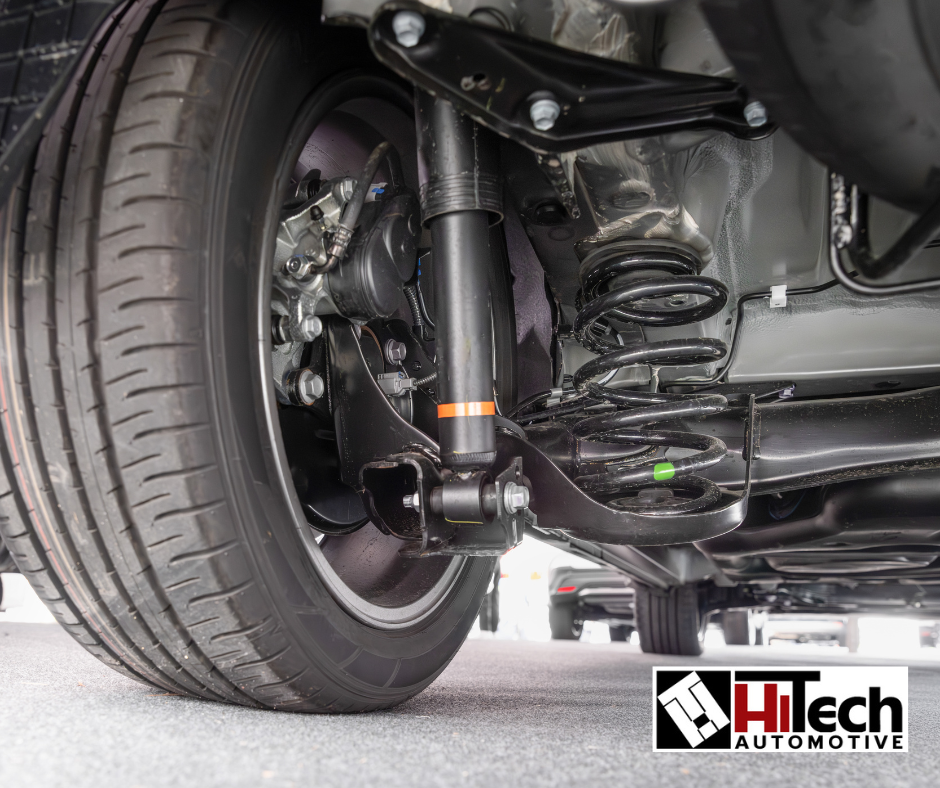
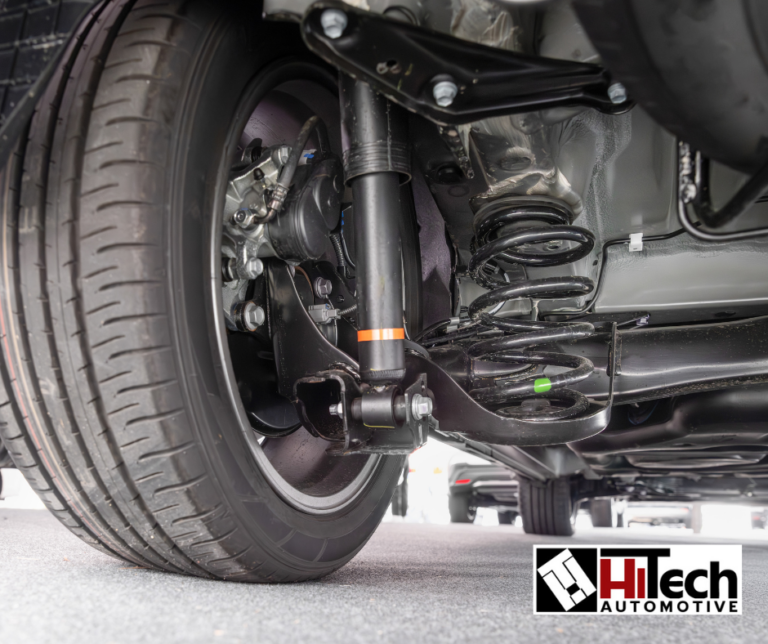
Tires, suspension, and alignment affect more than just ride comfort—they also influence overall vehicle wear. Poor alignment causes uneven tire wear and places added stress on steering and drivetrain components. Worn suspension parts can reduce stability and increase strain on other systems.
Regular tire rotations, alignment checks, and suspension inspections help ensure even wear and proper handling. These services improve safety and reduce long-term stress, allowing your vehicle last longer with fewer issues.
Protect the Exterior and Interior
Long-term vehicle care goes beyond mechanical components. Protecting your vehicle’s exterior helps prevent rust, corrosion, and paint damage. Regular washing removes dirt, salt, and debris that can cause long-term damage, while waxing adds a protective barrier against sun exposure.
Interior care also matters. Keeping upholstery clean, using sunshades, and protecting dashboard surfaces reduce wear and maintain comfort. While cosmetic care doesn’t directly affect engine life, it contributes to overall condition and resale value.
Use Quality Parts and Fluids
Using high-quality parts and manufacturer-recommended fluids is essential for long-term reliability. Inferior or incorrect components may cost less upfront but often wear out faster and cause additional damage. Quality parts are designed to work in harmony with your vehicle’s systems.
Trusted organizations like the Car Care Council provide helpful guidance on long-term vehicle care and maintenance best practices.
Choose a Trusted Automotive Partner
Having a reliable service provider is one of the best ways to help your vehicle last over the long haul. At HiTech Automotive, we focus on preventative care, transparent communication, and personalized service plans. Our technicians inspect your vehicle thoroughly and explain what needs attention now and what can be planned for later.
Conclusion
Helping your vehicle last 200,000 miles or more requires commitment, awareness, and routine care. From consistent maintenance and responsible driving to early problem detection and quality service, every decision plays a role in vehicle longevity.
With the expert support of HiTech Automotive and a proactive approach to maintenance, your vehicle can deliver dependable performance and reliability for many years and miles to come. Click here to schedule an appointment today!