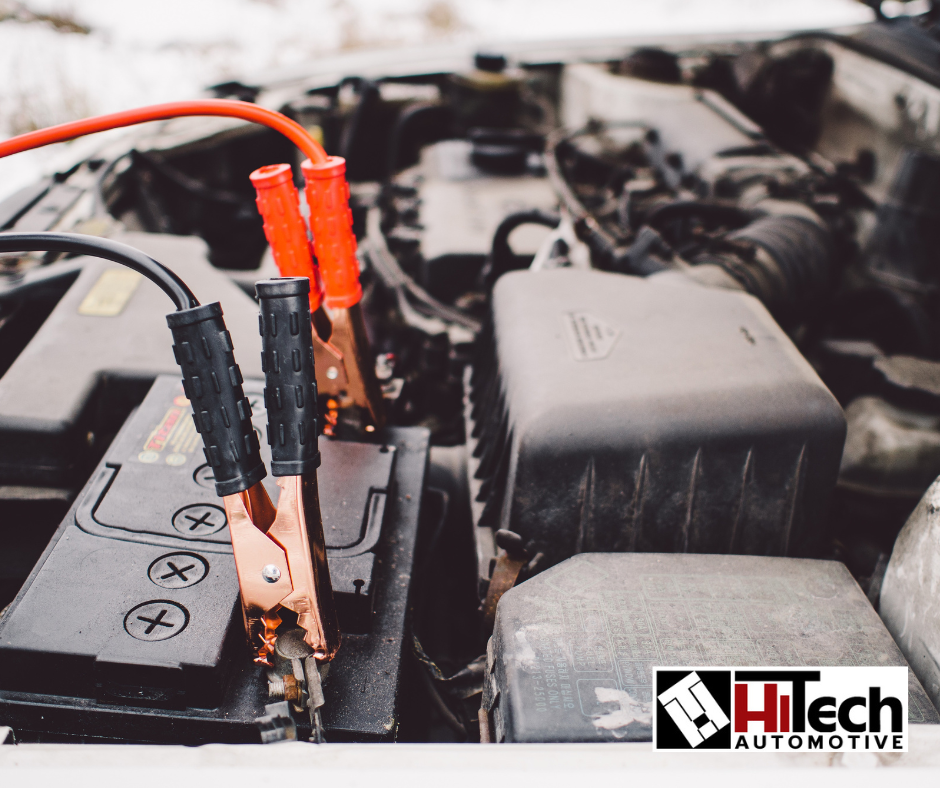
Countless car myths circulate among drivers, and not all of them are true. At HiTech Automotive, we often hear questions from customers about common beliefs that simply aren’t accurate. Understanding the difference between fact and fiction is important because following incorrect advice can lead to unnecessary repairs, wasted money, or even safety risks. By debunking these car myths, drivers can make better decisions about maintenance, driving habits, and vehicle care.
Myth 1: Premium Gas Always Improves Performance
One of the most common car myths is that using premium fuel in a standard vehicle will automatically improve performance. While premium gas is necessary for certain high-performance engines, most vehicles are designed to run efficiently on regular unleaded fuel. Using premium fuel when it’s not required generally doesn’t enhance engine power, mileage, or longevity—it just costs more. Always follow the manufacturer’s fuel recommendations for optimal performance.
Myth 2: You Should Warm Up Your Car for 10 Minutes
Many people believe that idling your car for 10 minutes before driving helps protect the engine. Modern engines are built to handle cold starts, and prolonged idling actually wastes fuel and contributes to unnecessary emissions. Instead, experts recommend driving gently for the first few minutes until the engine reaches its operating temperature. This approach is more efficient and better for the environment.
Myth 3: You Only Need to Change Oil Every 3,000 Miles
Another persistent myth is that oil must be changed every 3,000 miles. While this was true for older vehicles, most modern cars now have longer intervals, often between 5,000 and 10,000 miles, depending on the type of oil and driving conditions. Over-frequent oil changes are unnecessary, and following the manufacturer’s guidelines is both safe and cost-effective.
Myth 4: Washing Your Car in Winter Causes Rust
Some drivers avoid washing their vehicles in the winter out of fear that water will cause rust. In reality, washing your car during cold months is important to remove salt, dirt, and debris that accelerate corrosion. Using proper techniques and a quality car wash can protect your vehicle’s exterior. Neglecting washes in winter is far more likely to cause rust than washing in cold weather.
Myth 5: Small Repairs Can Wait
Many people believe that minor issues, such as a small leak or an unusual noise, are not urgent. This is one of the most dangerous car myths. Small problems can quickly escalate into larger, more expensive repairs if left unaddressed. At HiTech Automotive, we emphasize the importance of addressing warning signs promptly to maintain vehicle safety, reliability, and longevity.
Myth 6: You Don’t Need Tire Maintenance if They Look Fine
Tires may appear to be in good condition, but appearance alone doesn’t tell the whole story. Regularly checking tire pressure, tread depth, and alignment is crucial. Underinflated or unevenly worn tires can reduce fuel efficiency, increase stopping distances, and cause uneven wear. Tire maintenance is essential to keep your vehicle safe and operating efficiently.
Myth 7: Air Conditioning Damages Your Engine
Some drivers believe that using the air conditioning places too much strain on the engine and should be avoided. While A/C use does slightly increase fuel consumption, it does not damage the engine. Modern vehicles are designed to handle air conditioning without risk of harm. Avoiding A/C in hot weather may save a small amount of fuel, but comfort and safety should come first.
Myth 8: You Can Skip Brake Inspections
Brake systems are critical to safety, yet many drivers assume that if the brakes “feel fine,” they don’t need to be inspected. Worn pads, thin rotors, or brake fluid issues can develop without obvious symptoms. Routine brake inspections are essential to ensure safe stopping distances and prevent costly repairs. Skipping inspections is a risky myth that can have serious consequences.
Myth 9: Higher Mileage Cars Are Always Less Reliable
Another common car myth is that a vehicle with higher mileage is automatically unsafe or unreliable. While maintenance history is important, many cars exceed 200,000 miles with proper care. Routine maintenance, timely repairs, and quality driving habits are far more indicative of reliability than mileage alone. Choosing a well-maintained used car can be a smart and economical decision.
Myth 10: You Don’t Need Professional Maintenance
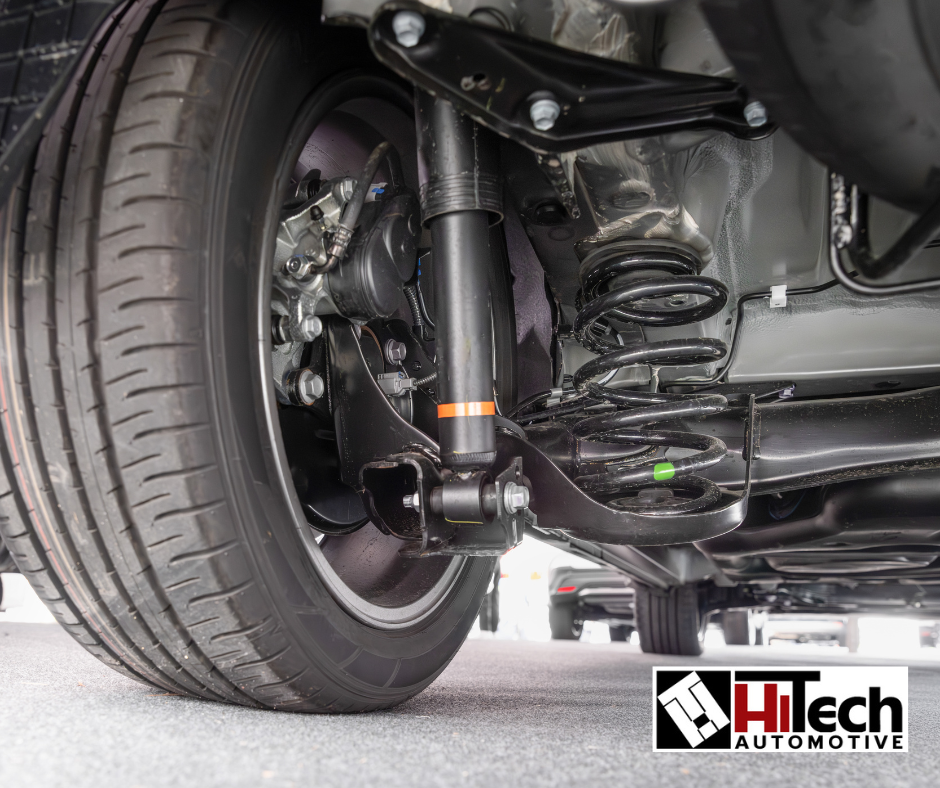
Some drivers believe they can handle all maintenance tasks at home. While basic checks like tire pressure or windshield washer fluid are easy to manage, complex systems such as transmission, engine diagnostics, and suspension require professional knowledge. Visiting a trusted service provider like HiTech Automotive ensures your car receives proper care, which helps avoid costly mistakes and supports long-term reliability.
Conclusion
Believing in car myths can lead to unnecessary expenses, safety risks, and vehicle wear. From fuel choices and oil changes to tire maintenance and brake inspections, separating fact from fiction is crucial for responsible vehicle ownership. HiTech Automotive encourages drivers to follow manufacturer recommendations, perform regular maintenance, and consult professionals for any concerns. To schedule an appointment with HiTech, click here.
For more tips on vehicle maintenance and debunking common car myths, the Car Care Council provides reliable resources.
Understanding the truth behind these myths helps drivers make informed decisions, save money, and keep their vehicles running safely and efficiently for years to come.