Noticing a puddle under your vehicle can be alarming. Whether it’s a small drip or a larger pool, leaking fluid is often a sign that something needs attention. At HiTech Automotive, we regularly help drivers identify the source of leaking fluid and determine whether it’s a minor issue or something more serious. Addressing leaking fluid early can prevent costly repairs and protect your vehicle’s performance.
Your car relies on several different fluids to operate safely and efficiently. When you see leaking fluid, the first step is identifying what type of fluid it is and where it’s coming from. Color, texture, and location can provide important clues.
1. Engine Oil Leaks
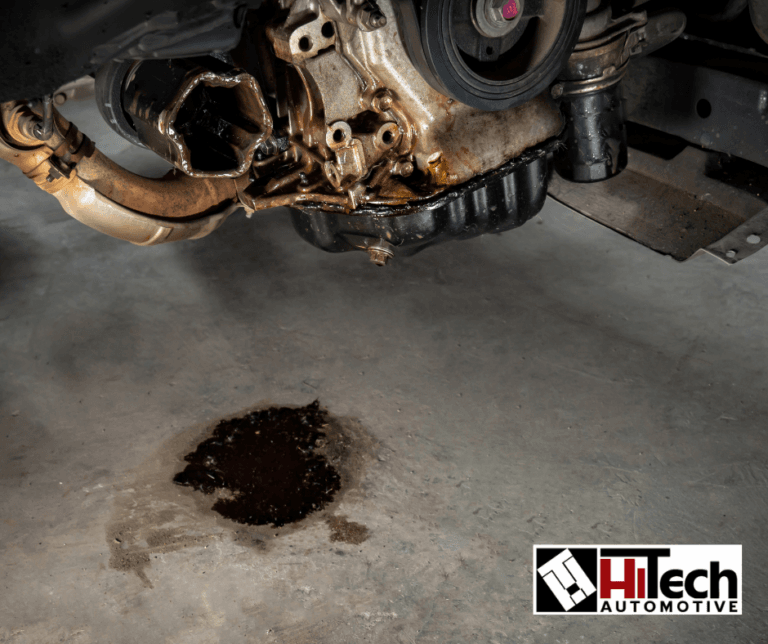
Engine oil is one of the most common sources of leaking fluid. Oil lubricates internal engine components and prevents overheating. If you notice dark brown or black fluid under the front of your vehicle, it could be an oil leak.
Common causes include worn gaskets, a damaged oil pan, loose drain plugs, or deteriorated seals. Over time, heat and pressure can cause rubber components to crack and allow leaking fluid to escape.
Ignoring an oil leak can lead to low oil levels, increased engine wear, and even engine failure. If you see consistent leaking fluid beneath your engine, it’s important to schedule service right away.
2. Coolant Leaks
Coolant, also known as antifreeze, helps regulate engine temperature. Coolant leaks often appear as bright green, orange, or pink fluid under the vehicle. A sweet smell may also accompany leaking fluid from the cooling system.
Leaks can occur in the radiator, hoses, water pump, or heater core. Even a small coolant leak can lead to overheating if left unchecked. An overheating engine can cause severe damage, including warped cylinder heads or blown head gaskets.
If you notice colored leaking fluid near the front of your vehicle or experience rising temperature readings on your dashboard, have your cooling system inspected immediately.
3. Transmission Fluid Leaks
Transmission fluid is typically red or reddish-brown and has a slightly sweet smell. If you notice leaking fluid near the center of your vehicle, it could be coming from the transmission.
Low transmission fluid levels can cause slipping gears, rough shifting, or delayed engagement. Transmission repairs are often expensive, so addressing leaking fluid early is crucial.
Leaks may result from worn seals, damaged transmission pans, or loose connections. A professional inspection can determine the source and prevent further damage.
4. Brake Fluid Leaks
Brake fluid is clear to light yellow and plays a critical role in your vehicle’s braking system. If you suspect leaking fluid near the wheels or under the driver’s side, it could indicate a brake system problem.
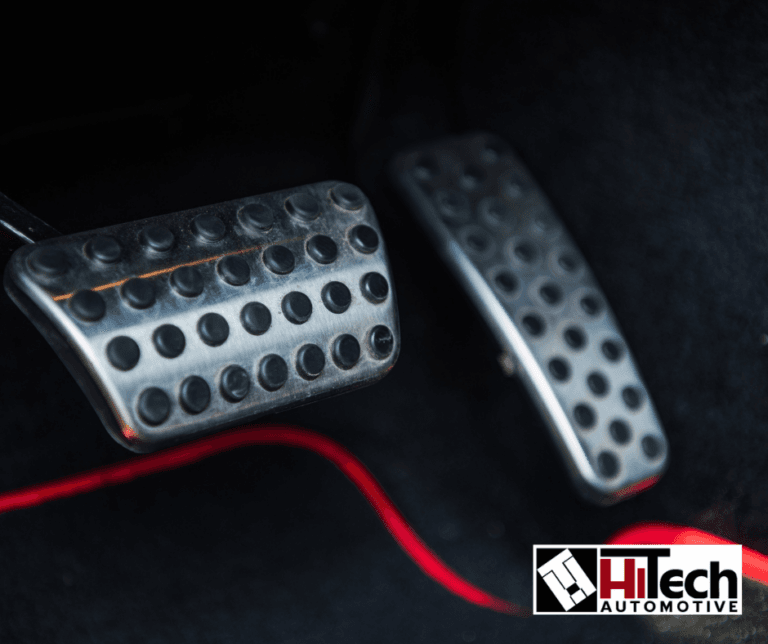
Brake fluid leaks are serious and should never be ignored. Reduced brake fluid levels can compromise stopping power and increase the risk of accidents. If your brake pedal feels soft or you see warning lights, seek service immediately.
5. Power Steering Fluid Leaks
Power steering fluid is usually red, amber, or pink and may leak near the front of the vehicle. If you hear whining noises when turning the steering wheel or experience stiff steering, leaking fluid from the power steering system may be the cause.
Leaks often develop from worn hoses or seals. Addressing the issue early helps maintain smooth steering and prevents further system damage.
6. Air Conditioning Condensation
Not all leaking fluid is a cause for concern. Clear, odorless water under your vehicle—especially on hot days—may simply be condensation from your air conditioning system. This type of leaking fluid is completely normal and harmless.
However, if the fluid is colored or has a noticeable smell, it’s best to have it checked to rule out other issues.
How to Identify the Source
To help identify leaking fluid, consider these factors:
-
Color of the fluid
-
Location of the puddle
-
Smell of the fluid
-
Frequency of the leak
Placing a piece of cardboard under your vehicle overnight can help you determine the fluid’s color and pinpoint the source area.
According to the National Highway Traffic Safety Administration, routine vehicle maintenance is essential for preventing breakdowns and ensuring safety. Addressing leaking fluid promptly is a key part of responsible vehicle care.
Why You Shouldn’t Ignore Leaks
Even small leaks can worsen over time. What starts as a minor drip can quickly become a larger problem that affects major components. Fluid levels that drop too low can cause overheating, transmission damage, brake failure, or steering issues.
At HiTech Automotive, our experienced technicians perform thorough inspections to accurately diagnose leaking fluid and recommend the appropriate repair. We check seals, hoses, gaskets, and connections to ensure the root cause is properly addressed—not just temporarily patched.
Schedule an Inspection Today
If you’ve noticed leaking fluid under your vehicle, don’t wait to have it checked. Early detection can save you money and prevent unexpected breakdowns. Whether it’s oil, coolant, transmission fluid, or another system issue, HiTech Automotive is here to help.
Our team is committed to keeping your vehicle safe, reliable, and leak-free. Schedule an appointment today by clicking here, and let us take care of any leaking fluid before it turns into a major repair.