Florida drivers know that the rainy season can arrive quickly and bring heavy downpours, reduced visibility, and slick roads that challenge even experienced motorists. At HiTech Automotive, we understand how unpredictable the rainy season can be, and we want to help you stay safe every time you get behind the wheel. Whether you’re commuting through Tampa traffic or heading out for errands, preparing your vehicle and adjusting your driving habits during the rainy season is essential for protecting yourself and others on the road.
Check Your Tires Before the Roads Get Slick
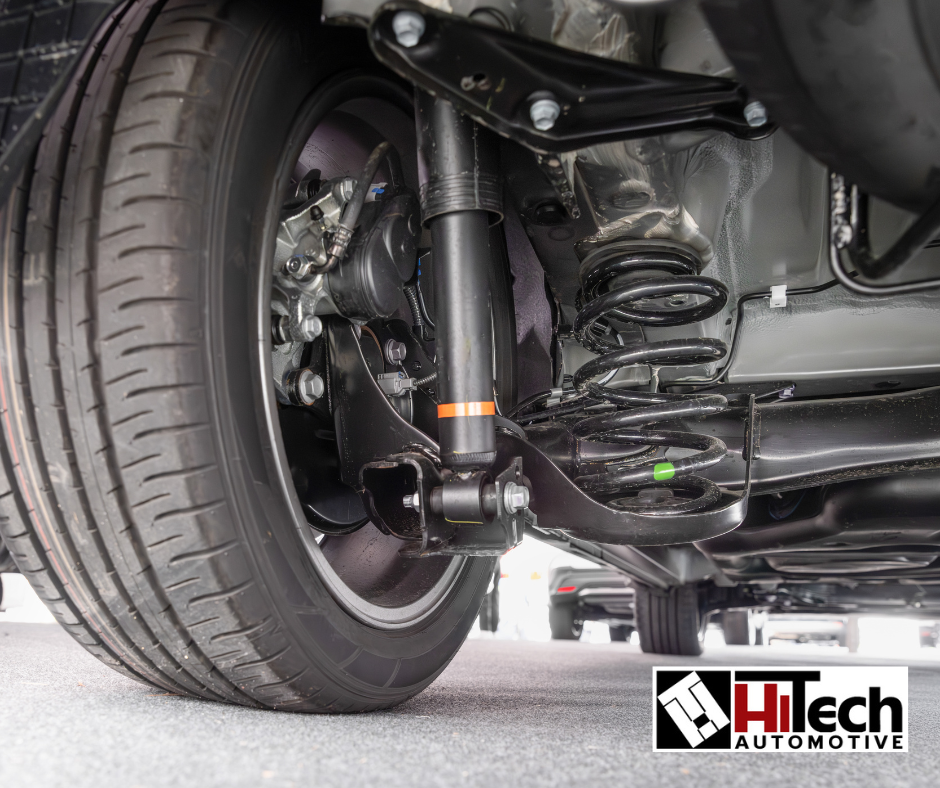
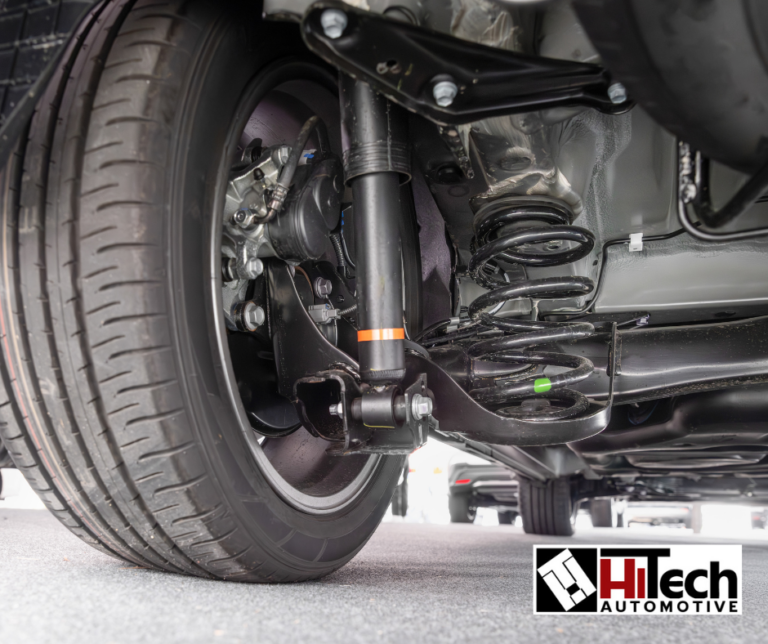
One of the most important safety steps during the rainy season is ensuring your tires are in excellent condition. Tires are your vehicle’s only contact with the road, and when water accumulates, worn tread can dramatically increase the risk of hydroplaning.
Make sure your tires have adequate tread depth and are inflated to the manufacturer’s recommended pressure. Properly maintained tires help push water away from the tire surface, improving traction on wet pavement. If you notice uneven wear, vibrations, or thinning tread, it may be time to replace them before conditions worsen.
At HiTech Automotive, we often see tire-related issues become more serious during the rainy season, so a quick inspection now can prevent dangerous situations later.
Keep Visibility Clear in Heavy Downpours
Florida storms can reduce visibility in seconds, turning a clear roadway into a wall of rain. During the rainy season, visibility becomes just as important as traction.
Start by checking your windshield wipers. If they streak, squeak, or fail to clear water effectively, replace them immediately. Wiper blades should typically be changed at least once a year, but Florida’s heat and frequent rain can wear them out faster.
Also inspect your headlights, brake lights, and turn signals. In heavy rain, other drivers rely on your lights to see your vehicle. Always use low beams during storms to avoid glare and improve visibility.
For more official guidance on safe driving practices in wet conditions, you can visit the National Weather Service safety page.
Understand the Risks of Hydroplaning
Hydroplaning is one of the most dangerous hazards during the rainy season. It occurs when your tires lose contact with the road due to a layer of water, causing your vehicle to slide uncontrollably.
This can happen more easily than many drivers realize, especially at higher speeds or on roads with poor drainage. If hydroplaning occurs, remain calm, take your foot off the gas, and steer gently in the direction you want the car to go. Avoid slamming the brakes, as this can worsen the skid.
Preventing hydroplaning starts with safe habits: slow down during heavy rain, avoid puddles when possible, and maintain proper tire condition. At HiTech Automotive, we emphasize prevention as the best defense during the rainy season.
Adjust Driving Habits for Safer Travel
Driving safely during the rainy season requires more than just vehicle maintenance—it also requires adjusting how you drive.
Increase your following distance to give yourself more time to stop on wet roads. Braking distances can double or even triple in rainy conditions. Avoid sudden movements such as sharp turns, hard braking, or quick lane changes.
It’s also important to avoid cruise control in wet weather. While convenient on dry highways, cruise control can reduce your reaction time if your vehicle begins to skid on wet pavement.
Slow down before entering curves and intersections, and always assume that other drivers may struggle with reduced traction as well.
Keep Your Vehicle Properly Maintained
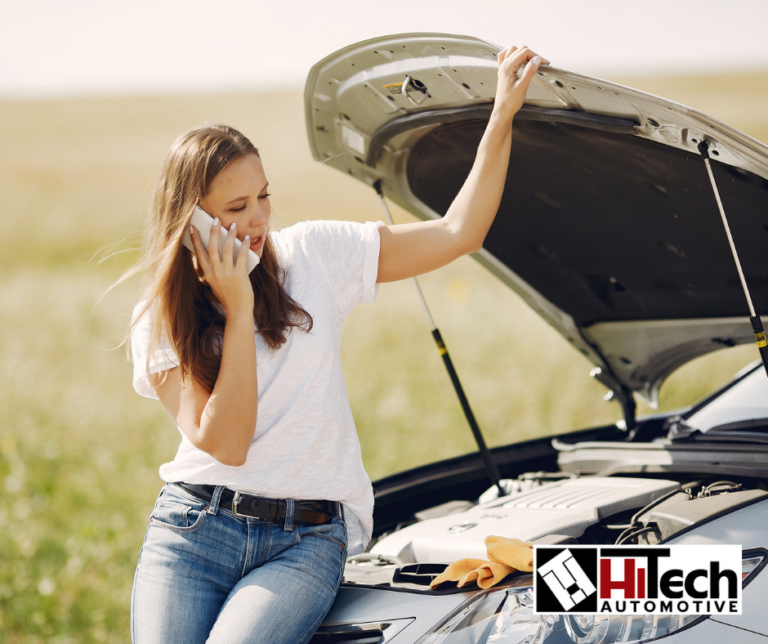
Routine maintenance plays a major role in keeping you safe during the rainy season. A well-maintained vehicle responds better in emergencies and reduces the chance of unexpected breakdowns in dangerous weather.
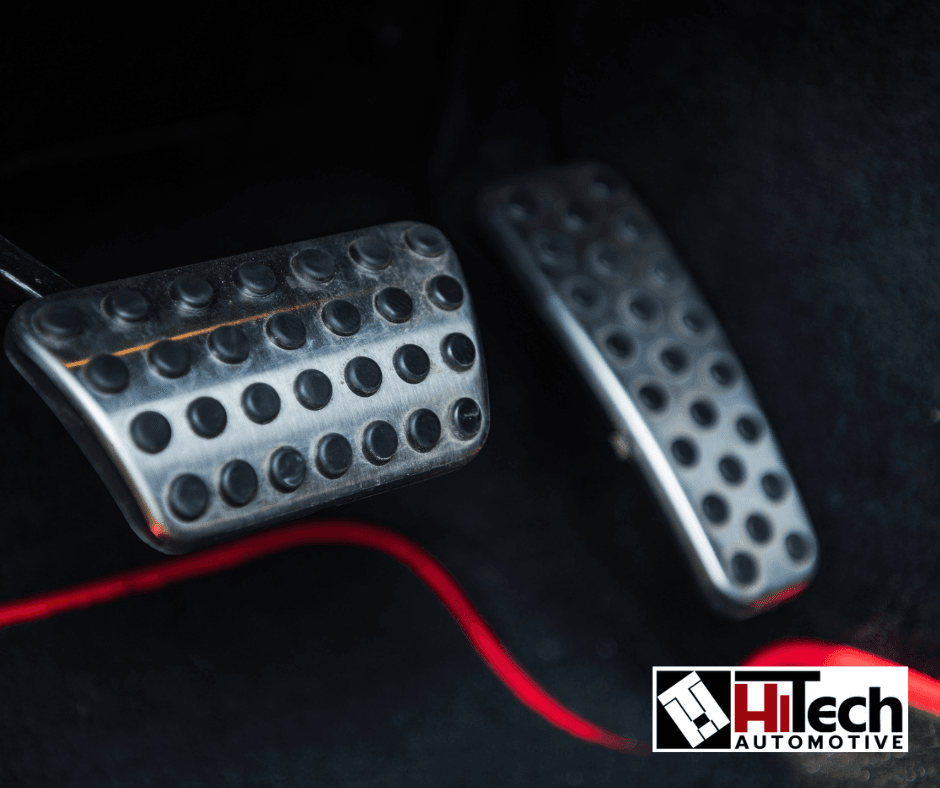
Brake performance is especially critical. If you hear squealing, feel vibrations, or notice reduced stopping power, have your brakes inspected immediately. Wet roads demand optimal braking performance.
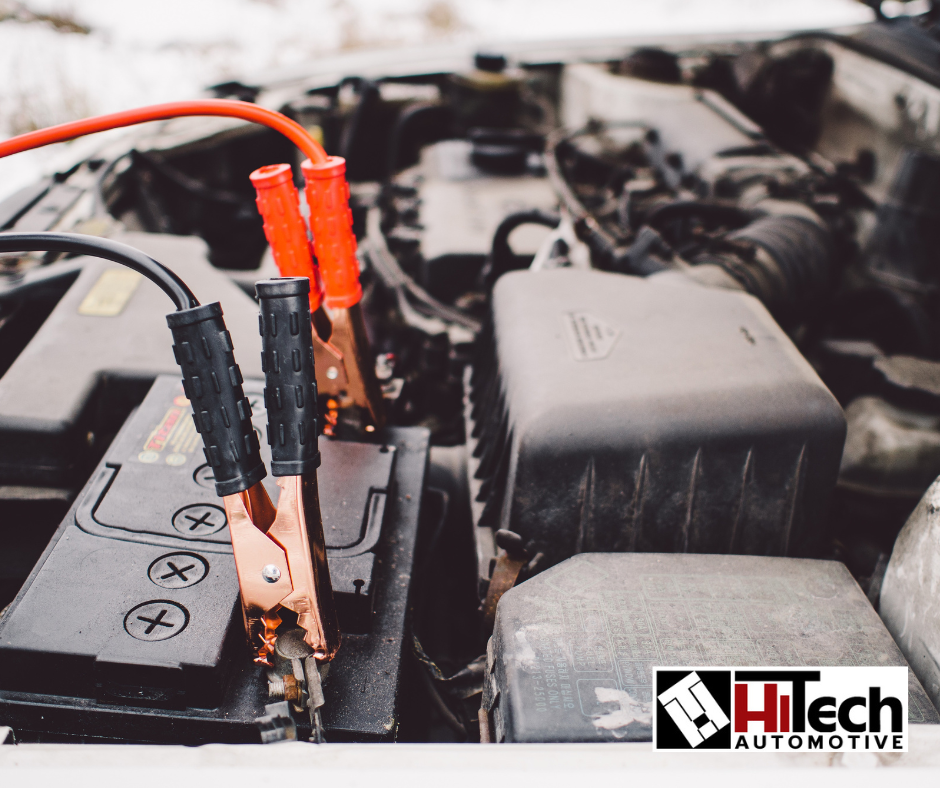
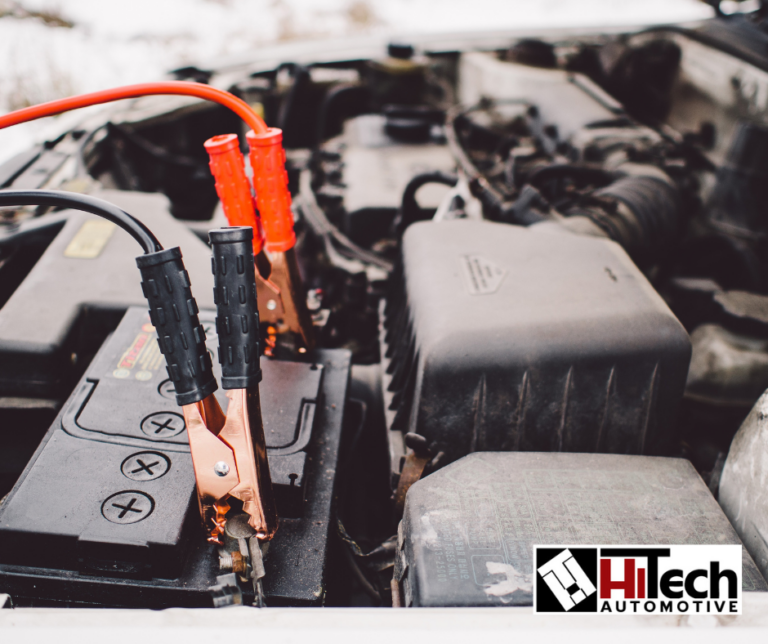
Battery health is another overlooked factor. Florida humidity and heat can weaken batteries, and the added strain of using lights, wipers, and defrosters during storms can expose weaknesses quickly.
At HiTech Automotive, we recommend seasonal inspections to ensure your vehicle is fully prepared for the rainy season ahead.
Be Prepared Before You Drive
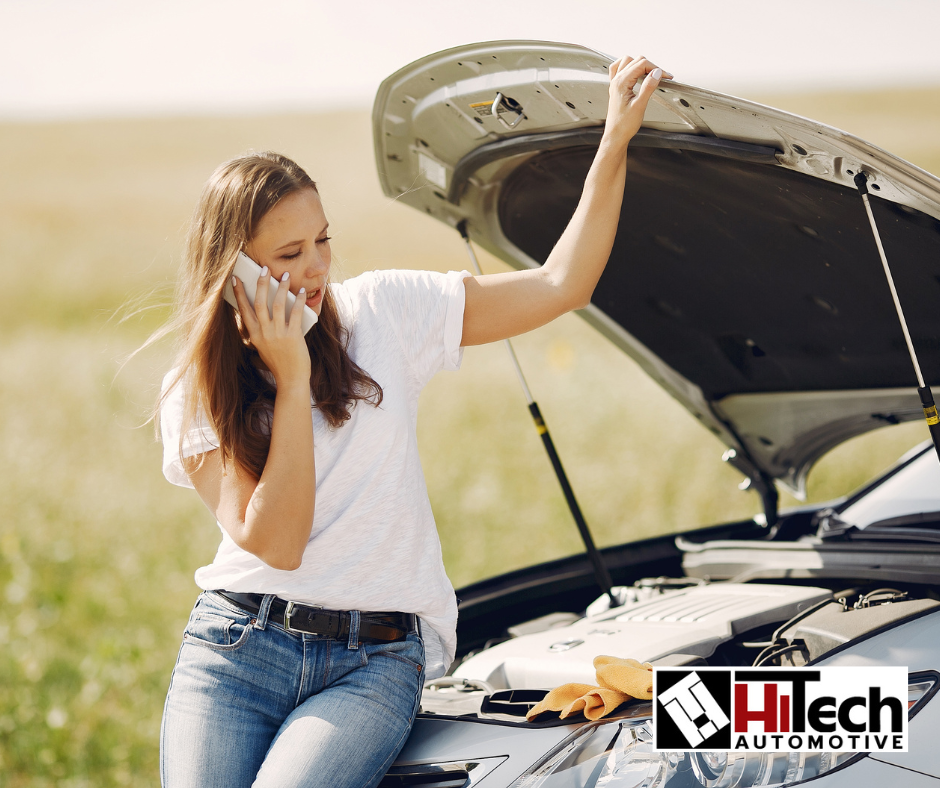
Preparation can make a significant difference when storms develop quickly. Always check weather forecasts before traveling, especially during the rainy season when storms can form in minutes.
Keep an emergency kit in your vehicle that includes essentials like a flashlight, phone charger, water, and a basic first-aid kit. If possible, avoid driving during severe storms altogether, especially when flooding is likely.
Standing water should always be treated with caution. Never attempt to drive through flooded roadways, as water depth can be misleading and road damage may be hidden beneath the surface.
Final Thoughts from HiTech Automotive
The rainy season in Florida presents real challenges for drivers, but with proper preparation and safe driving habits, you can greatly reduce your risk on the road. From maintaining your tires and brakes to adjusting your driving behavior in wet conditions, every step matters.
At HiTech Automotive, we are committed to helping drivers stay safe, confident, and prepared throughout the rainy season. Whether you need a seasonal inspection, tire replacement, or general maintenance, our team is here to keep your vehicle performing at its best no matter the weather. Schdeule an appointment today by clicking here.