As temperatures drop, vehicles face a unique set of challenges that many drivers don’t think about until something goes wrong. Cold weather can affect everything from your battery and tires to engine performance and visibility. Without proper preparation, winter conditions can lead to inconvenient breakdowns, expensive repairs, and unsafe driving situations. Understanding how cold weather impacts your car and taking preventive steps ahead of time can help ensure your vehicle remains reliable all season long.
Battery Health Is Critical in Winter
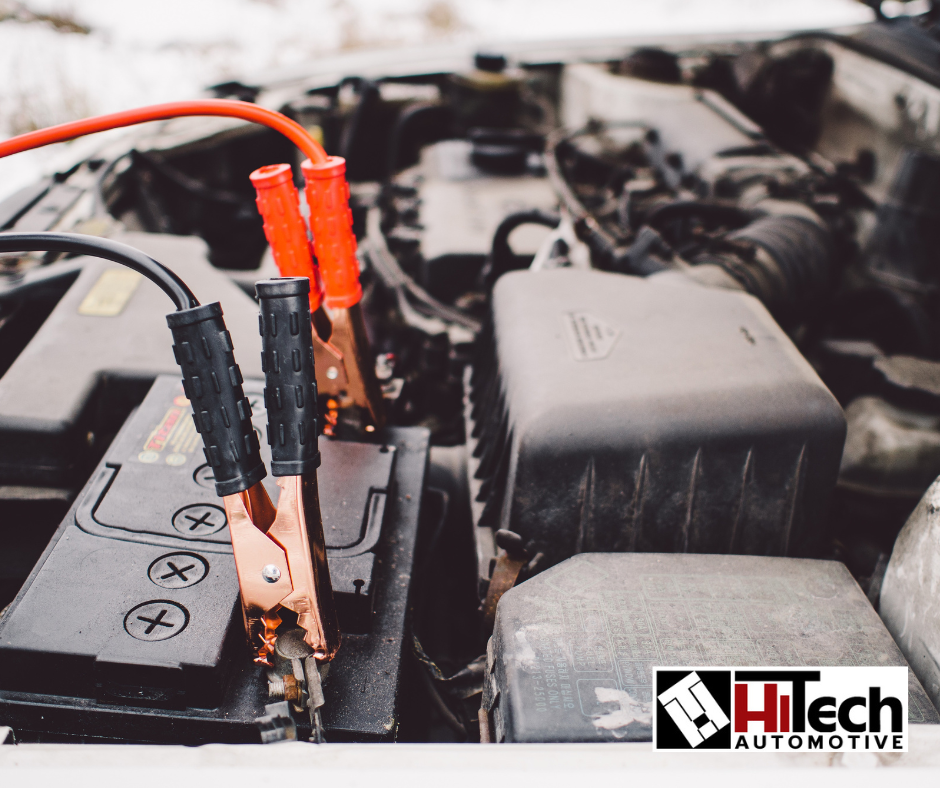
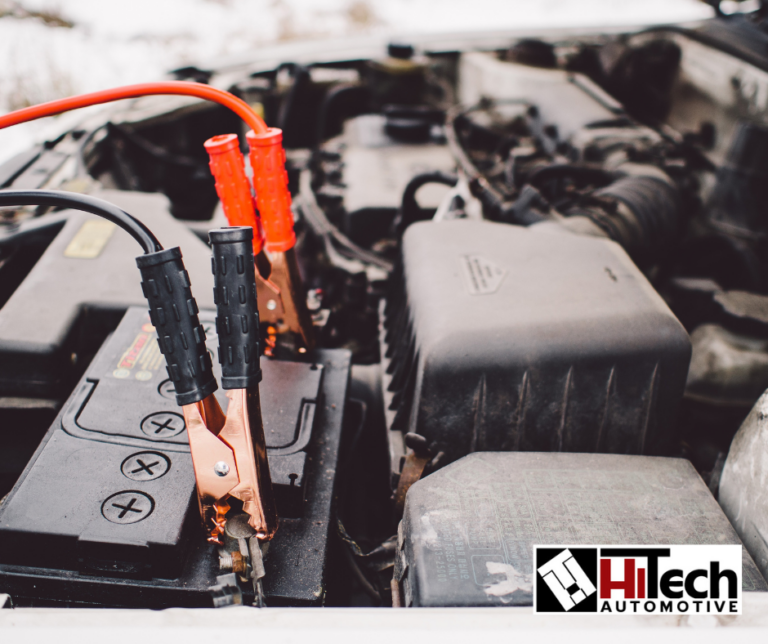
One of the most common causes of winter car trouble is battery failure. Cold weather slows the chemical reactions inside a battery, reducing its ability to produce power. If your battery is already weak, frigid temperatures can push it past its limit. Most car batteries last between three and five years, so if yours is approaching that range, it’s wise to have it tested. Cleaning corrosion from terminals and ensuring tight connections can also improve performance during cold starts.
Use the Correct Motor Oil
Motor oil thickens in lower temperatures, which makes it harder for your engine to circulate lubrication during startup. Using the manufacturer-recommended oil viscosity helps protect engine components during cold weather operation. Many modern vehicles are designed for multi-viscosity oils that perform well year-round, but checking your owner’s manual or consulting a professional can help confirm your engine is properly protected.
Tire Pressure and Tread Matter More Than Ever
Cold air causes tire pressure to drop, sometimes by several pounds per square inch. Driving on underinflated tires reduces traction, worsens fuel efficiency, and increases tire wear. Checking tire pressure regularly throughout the winter months is essential. Equally important is tire tread depth, which affects your ability to grip snowy or icy roads. If you live in an area with frequent snow or ice, winter tires can provide better handling and braking performance in cold weather conditions.
Keep Your Cooling System in Top Shape
Although it’s often associated with hot temperatures, your cooling system plays a vital role in winter. Antifreeze prevents engine coolant from freezing and cracking engine components. Ensuring the proper antifreeze-to-water ratio is especially important during extreme cold weather. Leaking hoses, worn belts, or old coolant can all lead to overheating or freezing issues, making a cooling system inspection a smart winter maintenance step.
Test the Heater and Defroster
Your heater and defroster are more than just comfort features. They’re essential for maintaining clear visibility and safe driving conditions. Before winter is in full swing, test your heating system to ensure it warms up quickly and distributes air properly. Weak airflow, foggy windows, or inconsistent heating may indicate issues that should be addressed before temperatures drop further.
Replace Wiper Blades and Washer Fluid
Snow, ice, salt, and slush can quickly reduce visibility. Old or worn wiper blades often streak or skip, making it harder to see during winter storms. Installing new wiper blades before winter and using washer fluid rated for freezing temperatures helps keep your windshield clear. Good visibility is especially critical during cold weather when road conditions can change quickly.
Inspect Brakes and Suspension
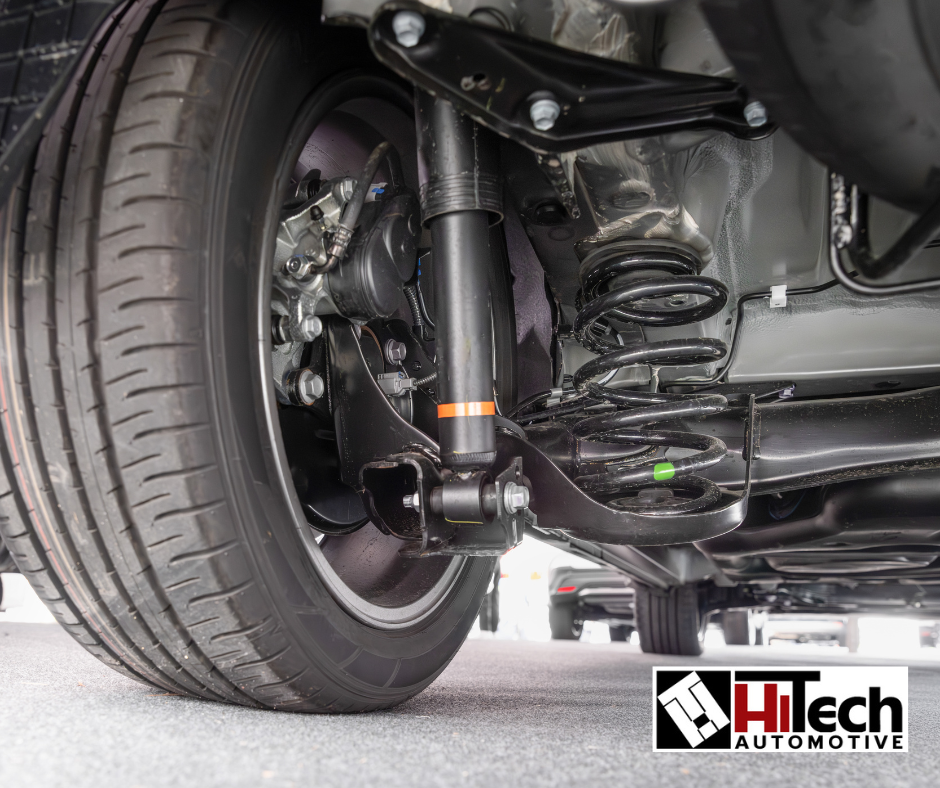
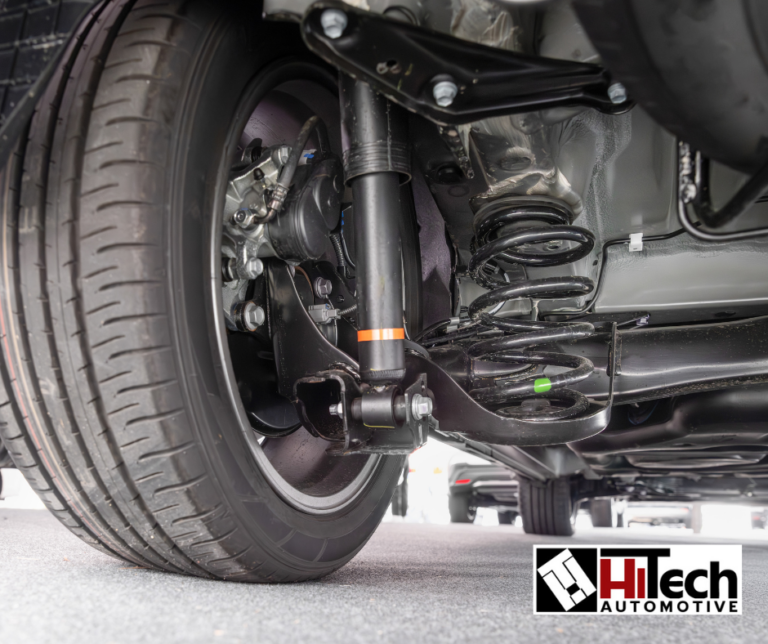
Winter driving places extra demands on your brakes and suspension system. Slippery roads require responsive braking and stable handling. If your vehicle pulls to one side, vibrates when braking, or makes unusual noises, have it inspected promptly. A well-maintained suspension helps your tires maintain consistent contact with the road, improving control on snow-covered or icy surfaces.
Prepare an Emergency Kit
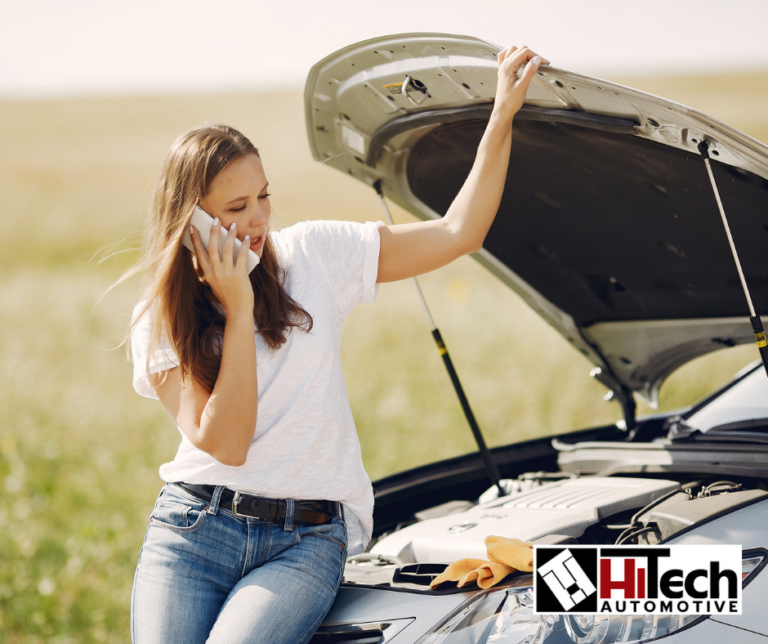
Even with proper maintenance, winter driving always carries some risk. Keeping an emergency kit in your vehicle can make a big difference if you’re stranded. Essentials include a flashlight, jumper cables, warm blankets, gloves, an ice scraper, a small shovel, and non-perishable snacks. Being prepared is especially important during severe cold weather, when roadside assistance may be delayed.
Drive Gently in Winter Conditions
Cold starts are harder on your engine than warm ones. Avoid hard acceleration immediately after starting your vehicle, and allow the engine a short warm-up period. Gentle driving during the first few minutes helps oil circulate properly and reduces wear on internal components. Smooth braking and slower speeds also improve safety when roads are slick.
Trust Professional Preventive Maintenance
The best way to avoid winter-related vehicle issues is through regular professional maintenance. A trained technician can identify potential problems before they turn into costly repairs. According to winter driving safety guidance from AAA, proactive maintenance plays a key role in preventing cold weather breakdowns and improving road safety.
Final Thoughts
Winter doesn’t have to mean unreliable transportation. By understanding how cold weather affects your vehicle and staying ahead of routine maintenance, you can reduce the risk of breakdowns and drive with confidence all season long. From battery checks and tire inspections to proper fluids and visibility upgrades, small steps can make a big difference. HiTech Automotive is here to help keep your vehicle safe, dependable, and ready for the road—no matter how cold it gets. To schedule an appointment today, click here.