
Every driver has experienced it—that moment when something feels “off” with their vehicle, but you’re not quite sure what’s wrong. Maybe it’s a strange noise, a vibration, or a warning light that just appeared on the dashboard. In many cases, the first step is trying to diagnose this car issue before it turns into a costly repair. At HiTech Automotive, we like to challenge drivers with real-world scenarios to help them better understand their vehicles, so today we’re asking: Can you diagnose this car situation?
The Scenario
You’re driving to work on a normal morning. The car starts up fine, but about 10 minutes into your drive, you notice a slight shaking when you accelerate. It’s subtle at first, but it becomes more noticeable at higher speeds.
There’s no check engine light, at least not yet, but something definitely doesn’t feel right.
The question is: can you diagnose this car problem before it gets worse?
What Could It Be?
Symptoms like this can come from several different issues, which is why it’s important to properly diagnose this car behavior instead of guessing.
Tire Issues
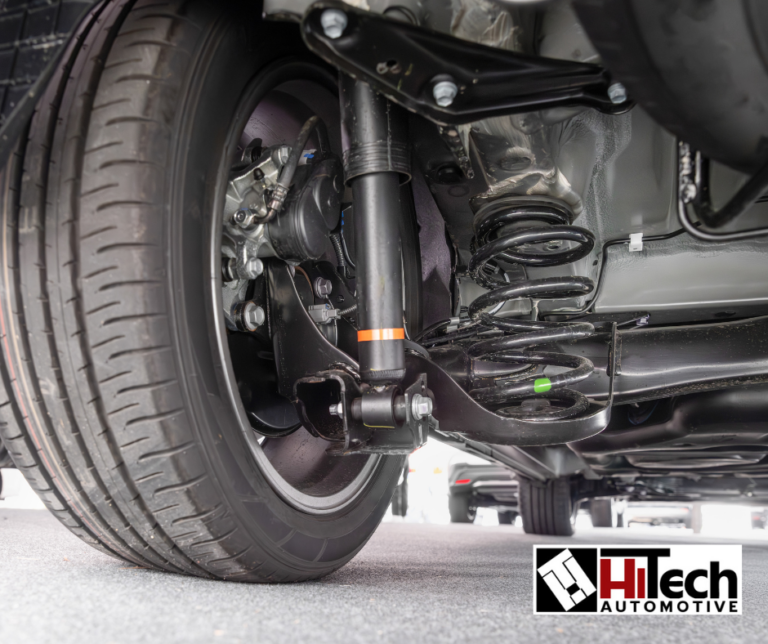
One of the most common causes of shaking during acceleration is tire imbalance or uneven wear.
Look for:
- Uneven tread wear
- Low tire pressure
- Bulges or damage
Even small tire issues can create noticeable vibrations at higher speeds. To learn more about tire imbalances, click here.
Engine Misfire
A mild engine misfire can cause hesitation or shaking when accelerating, even without a warning light.
Possible causes include:
- Spark plug issues
- Ignition coil problems
- Fuel delivery issues
This is where it becomes critical to diagnose this car symptom early using proper inspection and testing.
Drivetrain or Axle Problems
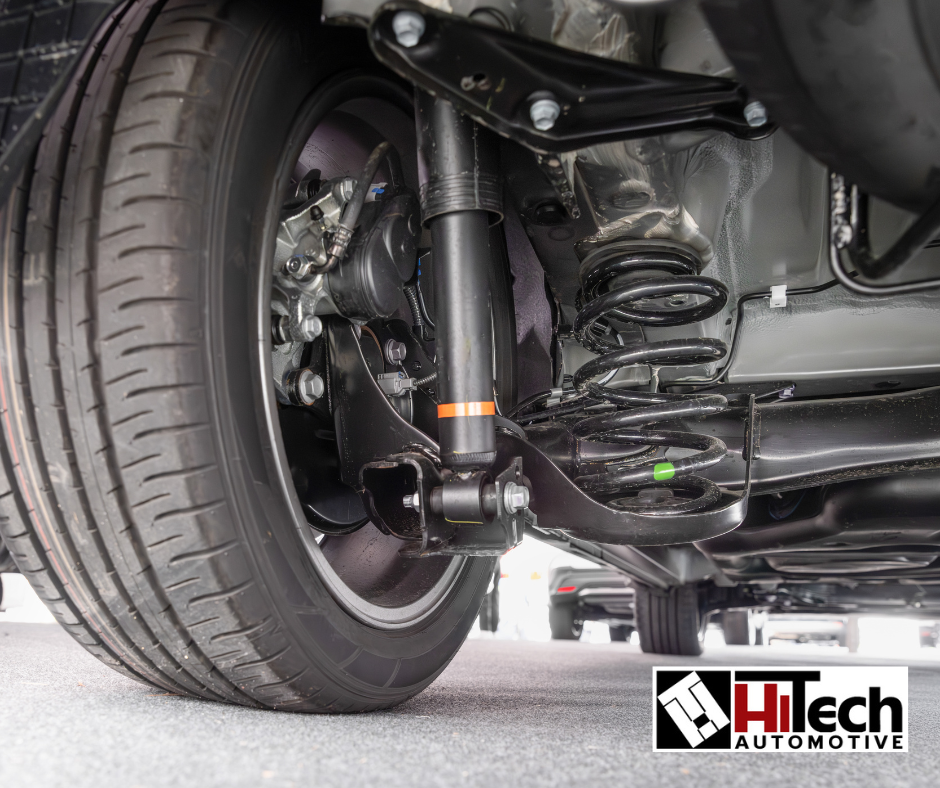
Worn CV joints, axles, or engine mounts can also cause vibration under load.
These issues typically:
- Worsen over time
- Are most noticeable during acceleration
- Affect overall vehicle stability
How Professionals Diagnose It
At HiTech Automotive, the diagnostic process follows a structured approach:
- Visual inspection of tires, suspension, and engine components
- Road test to identify when symptoms occur
- Computer diagnostics to check for fault codes
- Component testing to isolate the exact cause
This method helps accurately diagnose this car issue without unnecessary guesswork or part replacement.
Why You Shouldn’t Ignore It
Small symptoms often lead to larger repairs if left untreated. A slight vibration today can become a major drivetrain or engine issue later.
Early diagnosis helps:
- Prevent expensive repairs
- Improve safety
- Extend vehicle lifespan
Final Answer
In this scenario, the issue could be caused by tire imbalance combined with worn engine mounts, a common but often overlooked combination.
Once repaired, the improvement in driving comfort is usually immediate.
Takeaway
If something feels different with your vehicle, it should never be ignored. Even basic awareness can help you diagnose this car behavior early and communicate more effectively with your mechanic.
At HiTech Automotive, the goal is to identify issues quickly and accurately so small problems do not become major repairs. To schedule an appointment, click here.