When it comes to your vehicle’s braking system, two of the most important components are brake pads and rotors. At HiTech Automotive, we often get questions about brake pads, how they function, and how they differ from rotors. Understanding brake pads and their relationship to rotors can help you recognize early warning signs, avoid costly repairs, and stay safe on the road.
What Are Brake Pads?
Brake pads are the friction material that presses against the rotors when you apply the brake pedal. This friction is what slows and stops your vehicle. Every time you brake, brake pads are working to convert motion into heat energy through friction.
Because brake pads are made from softer composite materials, they are designed to wear down over time. This is intentional, as it protects the rotors from excessive wear. Eventually, brake pads must be replaced as part of normal vehicle maintenance.
One of the most common early signs of worn brake pads is a squealing or squeaking noise. Many brake pads include a built-in wear indicator that produces this sound when they are nearing the end of their lifespan.
What Are Brake Rotors?
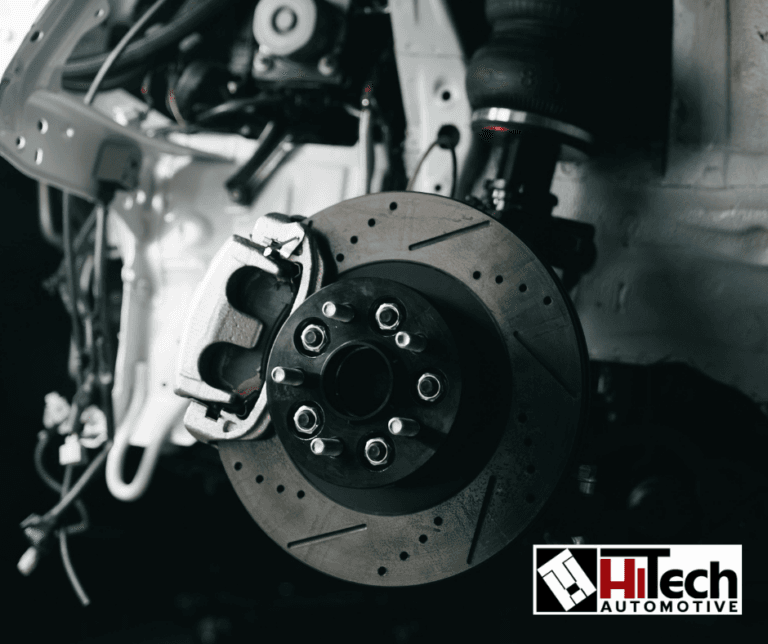
Brake rotors are the large metal discs attached to your wheels. When brake pads clamp down on them, the resulting friction slows the wheel and brings your vehicle to a stop.
Unlike brake pads, rotors are designed to last longer, but they still wear over time. Heat, friction, and repeated braking can cause rotors to become warped, grooved, or uneven. When this happens, you may notice vibrations in the steering wheel or brake pedal.
Depending on the level of wear, rotors may be resurfaced or replaced to restore smooth and safe braking performance.
How Brake Pads and Rotors Work Together
Brake pads and rotors work as a team to safely stop your vehicle. When you press the brake pedal, hydraulic pressure forces the calipers to squeeze the brake pads against the spinning rotors. This creates the friction needed to slow your car.
Brake pads are designed to wear out first because they are softer than rotors. This protects the rotors from damage and makes maintenance more cost-effective. However, if brake pads are not replaced in time, the metal backing plate can grind directly into the rotors, causing serious and expensive damage.
At HiTech Automotive, we always emphasize that timely brake pad replacement helps extend rotor life and ensures safer driving.
Warning Signs of Brake Problems
Recognizing early warning signs can help prevent major brake issues. For brake pads, common symptoms include:
- Squeaking or squealing noises
- Grinding sounds when braking
- Longer stopping distances
- Brake warning light on the dashboard
For rotors, symptoms may include:
- Steering wheel vibration when braking
- Pulsating brake pedal
- Visible grooves or scoring on the rotor surface
- Uneven braking performance
If you notice any of these issues, it’s important to schedule a brake inspection as soon as possible.
Why Brake Pads Wear Faster Than Rotors
Brake pads are designed to wear faster than rotors because they absorb most of the friction and heat generated during braking. Driving habits have a major impact on how quickly brake pads wear out.
Frequent stop-and-go traffic, aggressive braking, carrying heavy loads, and city driving can all shorten brake pad lifespan. Highway driving typically causes less wear since braking is less frequent.
Rotors last longer, but they are not immune to damage. Worn brake pads can accelerate rotor wear significantly if left unaddressed.
Maintenance and Replacement Timing
On average, brake pads last between 25,000 and 70,000 miles, depending on driving conditions and habits. Rotors often last longer but may require attention around 50,000 to 70,000 miles.
However, these are only general estimates. Every vehicle and driver is different, which is why regular inspections are essential. At HiTech Automotive, we recommend checking your brakes during routine maintenance visits to ensure everything is in proper working condition.
Replacing brake pads on time not only improves safety but also helps prevent unnecessary rotor damage. To learn more about brake pads and rotors, click here.
Why Quality Brake Components Matter
Not all brake parts are created equal. High-quality brake pads provide better stopping power, quieter operation, and longer lifespan. The same applies to rotors, which must handle extreme heat and pressure every time you stop.
Choosing quality components improves safety, reduces noise, and helps your braking system last longer. Lower-quality parts may wear out faster and lead to more frequent repairs.
Final Thoughts from HiTech Automotive
Understanding the difference between brake pads and rotors is key to maintaining a safe and reliable vehicle. Brake pads are the primary wear component responsible for creating the friction needed to stop your car, while rotors provide the surface that allows that stopping power to work effectively.
At HiTech Automotive, we believe preventive maintenance is the best way to avoid unexpected breakdowns and costly repairs. Whether you need brake pad replacement, rotor service, or a full brake inspection, our team is here to keep your vehicle safe and performing at its best. Schedule an appointment today by clicking here.
Taking care of your brake pads on time protects your rotors, saves money, and ensures your vehicle stops safely when it matters most.