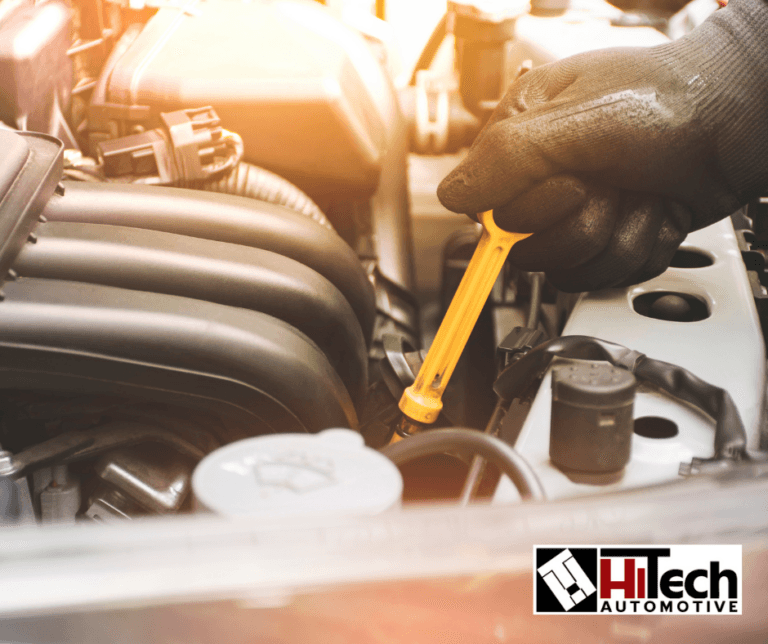
One of the most common questions drivers ask is how often you really need to change your oil. For decades, the standard advice was every 3,000 miles, but modern vehicles, improved engine technology, and higher-quality motor oils have changed that rule. Still, ignoring oil changes altogether can lead to serious engine damage. Understanding when and why to change your oil is key to keeping your vehicle running smoothly and avoiding costly repairs.
Why Oil Changes Matter
Motor oil plays a critical role in your engine’s health. It lubricates moving parts, reduces friction, helps regulate engine temperature, and traps dirt and debris that could otherwise cause wear. Over time, oil breaks down and becomes contaminated, making it less effective. When oil loses its protective properties, engine components are more likely to overheat or wear prematurely. That’s why regularly changing your oil is one of the most important maintenance tasks for any vehicle.
The Old 3,000-Mile Rule: Is It Still Relevant?
Years ago, engines were less efficient, and oils were of lower quality, making frequent oil changes necessary. Today, many vehicles can safely go 5,000, 7,500, or even 10,000 miles before needing service. That doesn’t mean every car can wait that long, though. The ideal time to change your oil depends on several factors, including your vehicle’s age, engine design, and the type of oil used.
Conventional vs. Synthetic Oil
The type of oil in your engine plays a major role in how often you should change your oil. Conventional oil typically requires more frequent changes, usually every 3,000 to 5,000 miles. Synthetic oil, on the other hand, is engineered to last longer and perform better under extreme temperatures. Many vehicles using full synthetic oil can safely go 7,500 miles or more between oil changes. However, even synthetic oil eventually degrades, so regular service is still essential.
Your Driving Habits Matter
How you drive is just as important as what you drive. Frequent short trips, stop-and-go traffic, towing, and extreme temperatures all put extra stress on your engine oil. If most of your driving involves city traffic or short commutes, you may need to change your oil more often than someone who primarily drives on the highway. Vehicles driven in harsh conditions should follow a more conservative maintenance schedule to prevent oil breakdown.
What Your Owner’s Manual Says
Your vehicle’s owner’s manual is one of the most reliable sources for determining oil change intervals. Manufacturers design maintenance schedules based on extensive testing, so following their recommendations is a smart move. Many newer vehicles even have oil life monitoring systems that track driving conditions and alert you when it’s time to change your oil. While these systems are helpful, they should be paired with regular inspections by a trusted professional.
Signs You Shouldn’t Ignore
Even if you haven’t reached your mileage limit, certain warning signs indicate it’s time for an oil change. Dark, gritty oil on the dipstick, increased engine noise, a burning smell, or an illuminated oil warning light all suggest your oil may no longer be doing its job. Ignoring these signs can lead to reduced engine performance and long-term damage. When in doubt, it’s better to change your oil early than risk expensive repairs.
The Cost of Skipping Oil Changes
Some drivers delay oil changes to save money, but this often leads to higher costs down the road. Dirty or degraded oil can cause sludge buildup, restrict oil flow, and accelerate engine wear. In extreme cases, neglected oil changes can result in complete engine failure. Regularly scheduled maintenance is far more affordable than replacing major engine components.
Environmental Considerations
Modern oil change intervals aren’t just about convenience—they’re also about reducing waste. Extending the time between oil changes when appropriate helps minimize used oil disposal and reduces environmental impact. That’s another reason manufacturers no longer recommend overly frequent oil changes for most modern vehicles. For additional insight into oil change recommendations and vehicle maintenance, resources like the AAA Auto Repair Guide offer helpful consumer information.
Trust the Professionals
While general guidelines are useful, there’s no one-size-fits-all answer to how often you should change your oil. A professional technician can assess your vehicle, driving habits, and oil type to recommend the best schedule for your specific situation. At HiTech Automotive, our experienced team takes the guesswork out of routine maintenance and helps ensure your engine stays protected year-round.
Final Thoughts
So, how often should you really change your oil? The answer depends on your vehicle, your driving habits, and the type of oil you use. While the old 3,000-mile rule is outdated for many drivers, regular oil changes remain essential for engine longevity. Staying informed, following manufacturer recommendations, and partnering with a trusted auto service provider like HiTech Automotive will help keep your vehicle running efficiently for years to come. To schedule an appointment, click here.