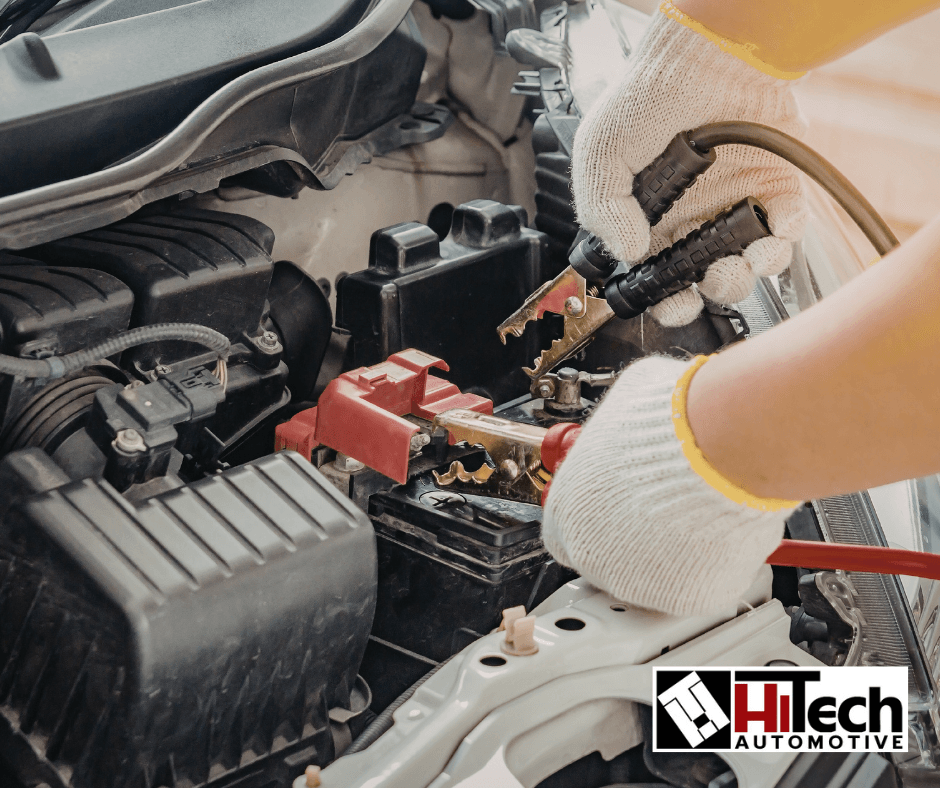
Your car battery plays a critical role in starting your engine and powering essential electrical systems. Without a reliable car battery, your vehicle simply won’t run. At HiTech Automotive, we often see drivers caught off guard by sudden battery failure—usually at the most inconvenient time. Understanding when to replace your car battery can help you avoid unexpected breakdowns and ensure dependable performance year-round.
Most car batteries last between three and five years, but several factors can shorten or extend their lifespan. Climate, driving habits, and maintenance all influence how long your car battery will perform reliably. Knowing the warning signs of a failing battery allows you to address issues before you’re stranded.
1. Slow Engine Crank
One of the earliest and most noticeable signs of a weak car battery is a slow engine crank. When you turn the key or press the start button, the engine may struggle or take longer than usual to start. This delay typically indicates that the battery is losing its ability to hold a full charge.
If you notice repeated slow starts, it’s wise to have your car battery tested. Early detection can prevent complete failure and give you time to replace it before it leaves you stuck.
2. Dashboard Warning Light
Most modern vehicles are equipped with a battery-shaped warning light on the dashboard. If this light illuminates, it could signal a problem with the car battery or the charging system.
Keep in mind that the warning light doesn’t always mean the battery itself is bad. It could indicate an issue with the alternator or voltage regulator. A professional diagnostic test at HiTech Automotive can determine whether the car battery needs replacement or if another component is at fault.
3. Electrical Issues
Your car battery powers more than just the starter. It also supports headlights, interior lighting, radio, power windows, and onboard electronics. If you notice dim headlights, flickering interior lights, or slow power window operation, your battery may be weakening.
As vehicles become more technologically advanced, the demand on the car battery increases. Infotainment systems, navigation, and safety sensors all rely on consistent electrical power. A struggling battery can lead to unpredictable electrical behavior.
4. Corrosion on Battery Terminals
Pop the hood and visually inspect your car battery. If you see white, blue, or greenish corrosion buildup around the terminals, it could interfere with proper electrical flow. While minor corrosion can sometimes be cleaned, excessive buildup may indicate aging or internal battery damage.
Corrosion reduces efficiency and may prevent your car battery from charging correctly. Routine inspections can help catch this issue early.
5. Frequent Jump-Starts
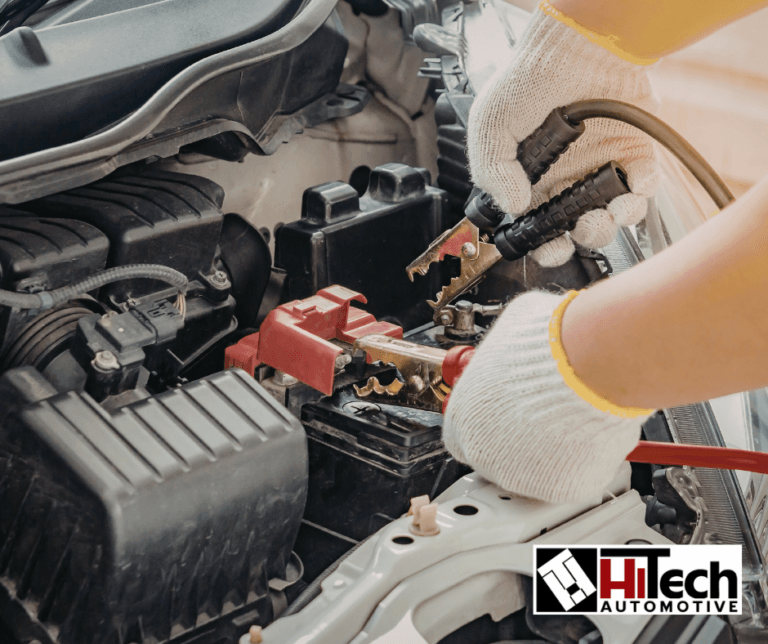
If you’ve needed multiple jump-starts in a short period, your car battery is likely nearing the end of its lifespan. While a single dead battery can occur from leaving lights on or extreme weather, repeated failures suggest it can no longer hold a sufficient charge.
Jump-starting frequently puts added strain on the charging system. Replacing the battery promptly can prevent further electrical system stress.
6. Age of the Battery
Even if your vehicle seems to start normally, age alone can justify replacing your car battery. Most manufacturers recommend testing the battery annually once it reaches three years of use.
Extreme heat can accelerate internal wear, while cold weather reduces battery efficiency. In hotter climates, batteries often fail sooner due to fluid evaporation and internal corrosion.
You can usually find the manufacturing date printed on the battery label. If your car battery is approaching the four- or five-year mark, proactive replacement may save you from a surprise breakdown.
7. Swollen or Damaged Battery Case
Excessive heat or overcharging can cause the battery case to swell or warp. A swollen car battery is a serious warning sign and should be replaced immediately. Physical damage can lead to leaks or unsafe operating conditions.
Never attempt to handle a leaking battery without proper safety precautions. Professional technicians can safely remove and dispose of damaged units.
Why Professional Testing Matters
While some symptoms are obvious, others require specialized equipment to diagnose accurately. At HiTech Automotive, we perform comprehensive battery and charging system tests to measure voltage, load capacity, and overall performance.
According to the National Highway Traffic Safety Administration, proper vehicle maintenance—including battery care—contributes to overall safety and reliability. A well-maintained car battery ensures your vehicle starts reliably and supports critical safety systems.
Replacing your battery at the right time prevents inconvenience and reduces the risk of being stranded in unsafe conditions.
Schedule Your Battery Check Today
If you’re experiencing slow starts, electrical issues, or your car battery is simply aging, it’s time for a professional inspection. At HiTech Automotive, we provide expert testing and high-quality replacement batteries designed to meet your vehicle’s specifications.
Don’t wait for complete failure. Replacing your car battery before it dies completely gives you confidence every time you turn the key. Let HiTech Automotive help you stay powered, prepared, and on the road without interruption. Click here to schedule an appointment today!