When it comes to maintaining a smooth, safe ride, two services are often mentioned together: wheel alignment and tire balancing. While they may sound similar, they address different issues and play unique roles in your vehicle’s performance. At HiTech Automotive, we frequently educate drivers on the importance of both services—especially tire balancing—and how they work together to protect your tires and suspension system.
Understanding the difference between alignment and tire balancing can help you recognize warning signs early and prevent uneven tire wear, poor handling, and unnecessary repair costs.
What Is Wheel Alignment?
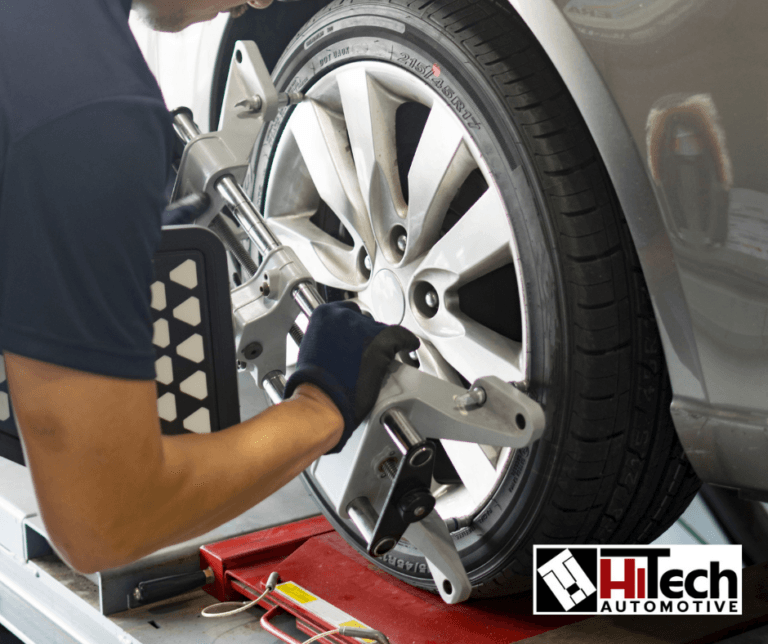
Wheel alignment refers to adjusting the angles of your vehicle’s wheels so they meet the manufacturer’s specifications. Proper alignment ensures your tires make optimal contact with the road and that your vehicle drives straight without pulling to one side.
There are three primary alignment angles:
-
Camber: The inward or outward tilt of the tire when viewed from the front.
-
Caster: The angle of the steering axis when viewed from the side.
-
Toe: The direction the tires point inward or outward when viewed from above.
When alignment is off, you may notice uneven tire wear, a crooked steering wheel, or your vehicle drifting left or right. Hitting potholes, curbs, or driving on rough roads can easily knock your wheels out of alignment.
Alignment focuses on correcting angles, not weight distribution. That’s where tire balancing comes into play.
What Is Tire Balancing?
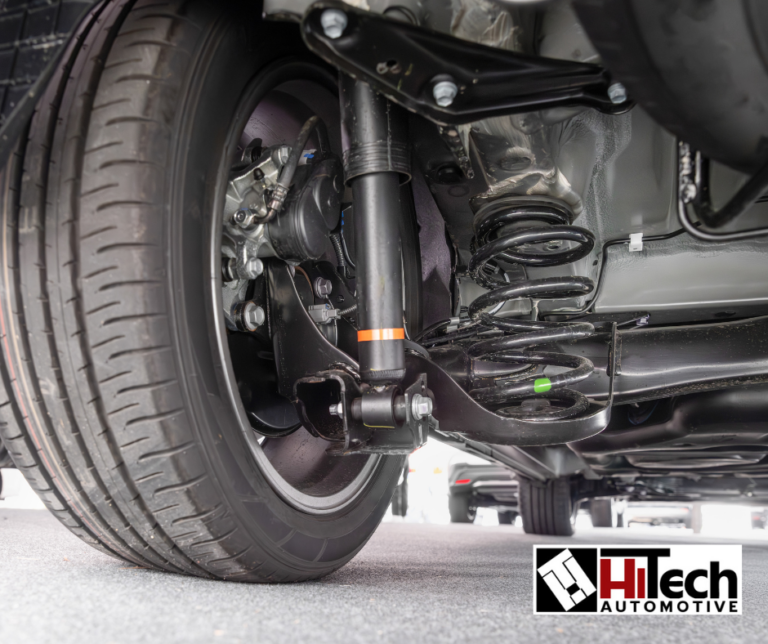
Tire balancing involves adjusting the weight distribution of a tire and wheel assembly so it spins evenly at high speeds. Even slight weight imbalances can cause noticeable vibrations, especially at highway speeds.
During tire balancing, a technician places the wheel and tire on a balancing machine. The machine identifies heavy spots, and small weights are added to counteract uneven distribution. Proper tire balancing ensures smooth rotation and reduces stress on suspension components.
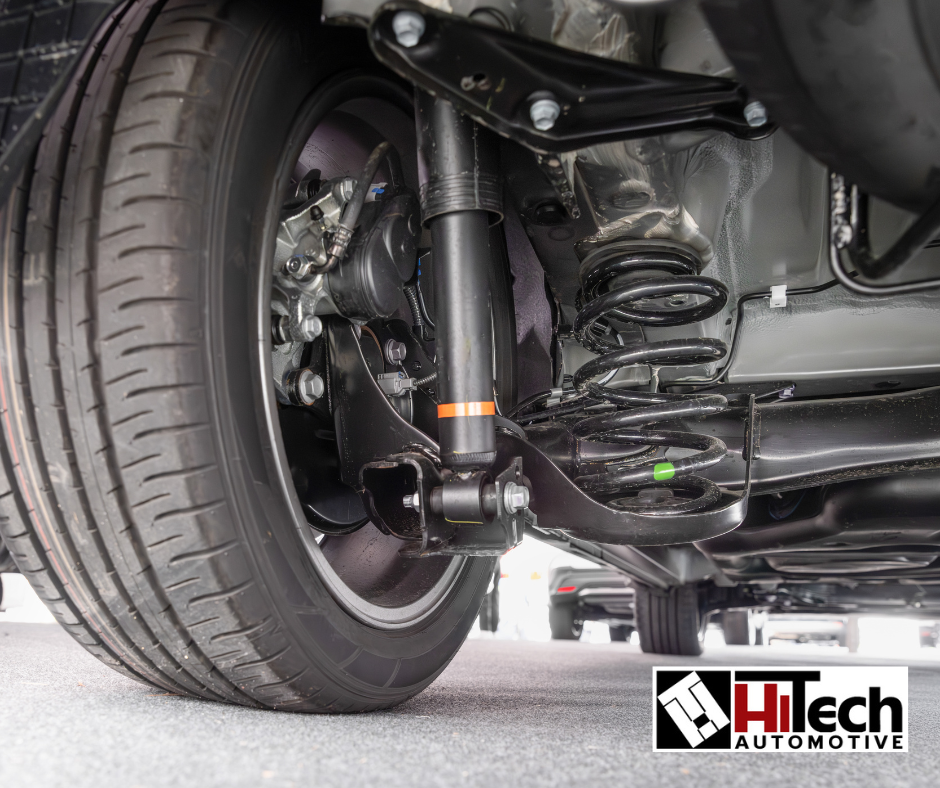
If your tires are out of balance, you may feel vibrations in the steering wheel, floorboard, or seats. Over time, poor tire balancing can lead to premature tire wear and strain on shocks, struts, and bearings.
Key Differences Between Alignment and Tire Balancing
Although both services improve ride quality, they address different mechanical concerns.
Wheel alignment adjusts the angles of the wheels to ensure proper positioning relative to the road and each other. Tire balancing corrects uneven weight distribution within the tire and wheel assembly.
Alignment problems typically cause uneven tread wear on the inner or outer edges of tires. Tire balancing issues usually result in cupping or scalloped tread patterns and noticeable vibrations while driving.
Another difference lies in timing. Wheel alignment is often needed after suspension repairs, hitting a major pothole, or noticing steering issues. Tire balancing is commonly performed when installing new tires and should be checked periodically as tires wear.
Why Both Services Matter
Many drivers assume alignment and tire balancing are interchangeable, but skipping either service can impact performance and safety. Proper alignment ensures your vehicle tracks straight and handles predictably. Proper tire balancing keeps your ride smooth and protects suspension components from excessive wear.
When both services are maintained, you benefit from:
-
Longer tire life
-
Improved fuel efficiency
-
Reduced vibration
-
Better steering control
-
Enhanced driving comfort
Neglecting tire balancing can allow small vibrations to worsen over time, potentially leading to suspension damage and costly repairs.
When Should You Schedule These Services?
You should consider wheel alignment if:
-
Your vehicle pulls to one side
-
The steering wheel is off-center
-
You notice uneven tire wear
-
You’ve recently hit a curb or pothole
You should schedule tire balancing if:
-
You feel vibrations at certain speeds
-
You’ve installed new tires
-
Tires show uneven or scalloped wear
-
It’s been a while since your last rotation
Many manufacturers recommend checking alignment annually and performing tire balancing whenever new tires are installed or during routine tire rotations.
According to the National Highway Traffic Safety Administration, proper tire maintenance plays a vital role in vehicle safety and handling. Ensuring both alignment and tire balancing are addressed helps maintain optimal performance and stability.
The HiTech Automotive Difference
At HiTech Automotive, our technicians use advanced equipment to precisely measure alignment angles and perform accurate tire balancing. We take a comprehensive approach to tire and suspension care, inspecting related components to catch potential issues before they escalate.
Whether you’re experiencing vibrations on the highway or noticing uneven tire wear, our team can diagnose the issue and recommend the appropriate service. Sometimes the solution is alignment, sometimes tire balancing, and occasionally both.
Maintaining proper alignment and tire balancing not only extends tire life but also enhances overall driving comfort and safety. Investing in these services today can save you money in the long run and ensure a smoother ride every time you get behind the wheel.
If you’re unsure whether your vehicle needs alignment or tire balancing, schedule an inspection with HiTech Automotive by clicking here. We’re here to help you drive confidently with balanced tires and properly aligned wheels.