When it comes to keeping your vehicle running smoothly and safely, regular maintenance is key. But one of the most common questions drivers ask is: how often should you really service your car? The answer isn’t always as simple as following a set mileage number—it depends on your driving habits, the age of your car, and even the conditions you drive in. Understanding the right service schedule can save you money, prevent major repairs, and extend your vehicle’s life. Here’s what you need to know to properly service your car and keep it performing at its best.
The Standard Service Intervals
For most modern vehicles, manufacturers recommend a full service every 12 months or 12,000 miles, whichever comes first. However, this is only a general guideline. Some newer vehicles with advanced oil and maintenance monitoring systems can go longer between service intervals, while older cars—or those driven in tougher conditions—may require more frequent attention.
Your owner’s manual is the most reliable source of information for your specific make and model. It details the factory-recommended service schedule, including oil changes, filter replacements, tire rotations, and fluid checks. Sticking to these intervals ensures your warranty remains valid and your car stays in top condition.
If you’ve recently purchased a used vehicle, it’s a good idea to have it serviced as soon as possible so a qualified technician can inspect it for wear and tear or missed maintenance. From there, you can set a consistent schedule that fits your car’s needs.
The Difference Between Minor and Major Services
Not all services are the same. When you service your car, you’ll typically encounter two main types of maintenance: minor and major.
A minor service is usually done every six months or 6,000 miles. It includes an oil and filter change, fluid top-ups, tire pressure checks, and a general inspection of brakes, belts, and hoses. While it might seem simple, this routine upkeep is essential to prevent more serious problems from developing.
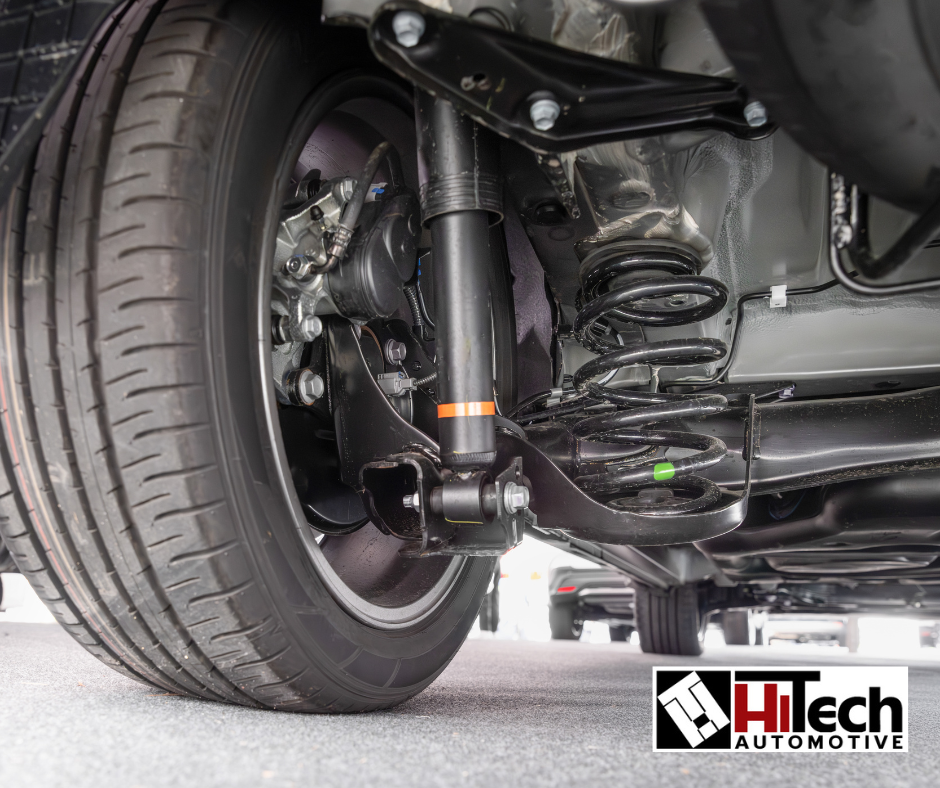
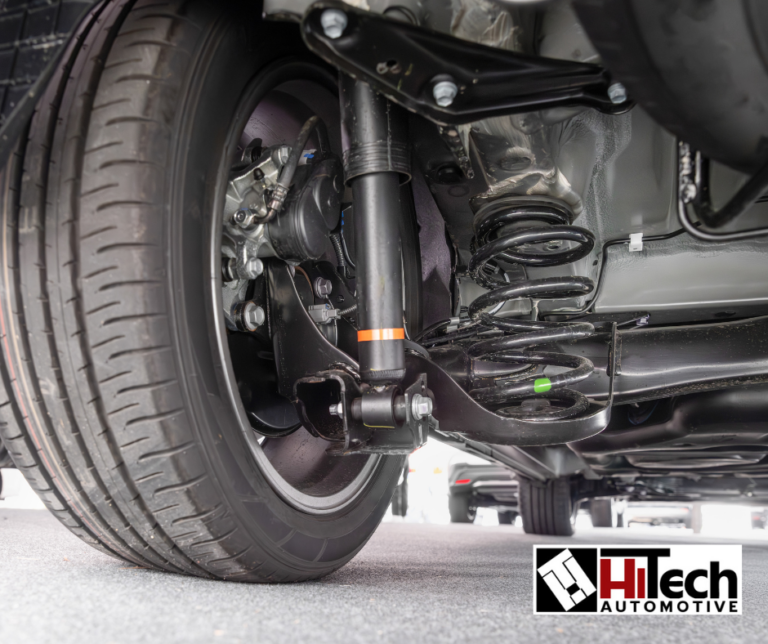
A major service, on the other hand, is typically performed every 12 months or 12,000 miles (or longer intervals depending on your vehicle). This involves more comprehensive checks such as spark plug replacement, brake fluid changes, air filter replacement, and a thorough inspection of the suspension, steering, and cooling systems. The major service ensures that every critical component of your car is in good working order.
Alternating between these service levels helps keep your vehicle balanced—addressing both immediate needs and long-term wear.
How Driving Habits Affect Your Service Schedule
Your driving habits play a bigger role than most people realize in determining how often you should service your car. If you primarily drive on highways at steady speeds, your engine and brakes experience less stress than those of a car driven mostly in stop-and-go traffic. Frequent short trips, where the engine never fully warms up, can cause oil and other fluids to degrade faster, requiring more frequent servicing.
Environmental conditions matter too. If you often drive in extreme heat, cold, or dusty conditions, your car’s engine, battery, and filters may wear down more quickly. In these cases, it’s wise to shorten the time between services. For example, a vehicle driven on dirt roads or in heavy city traffic may need oil changes every 3,000 to 5,000 miles instead of 7,500.
By paying attention to how and where you drive, you can adjust your maintenance schedule to better protect your investment.
Warning Signs Your Car Needs Servicing Sooner
Even with a consistent schedule, sometimes your car needs attention before its next planned service. Recognizing the early warning signs can prevent costly repairs later.
Some common indicators include dashboard warning lights such as “Check Engine” or “Oil Pressure” alerts. You might also hear unusual noises—grinding, squealing, or knocking sounds—or notice vibrations when braking or steering. A sudden drop in fuel efficiency, sluggish acceleration, or visible leaks under your vehicle are also red flags.
Ignoring these signs can lead to major damage. For example, neglecting a low oil warning can cause engine failure, while ignoring brake noises can result in rotor damage. Whenever something feels “off,” it’s best to have your car inspected right away.
The Cost of Skipping Maintenance
Skipping regular services might seem like an easy way to save money, but it often leads to bigger expenses later. Neglected oil changes can cause engine sludge buildup, old spark plugs can reduce fuel economy, and worn brake pads can damage rotors. What might have been a $100 service could turn into a $1,000 repair.
Regularly taking the time to service your car not only helps avoid these costs but also maintains your car’s resale value. A well-documented maintenance history can make a big difference if you ever decide to sell or trade in your vehicle.
Think of car maintenance like visiting the doctor for routine checkups. Preventive care may seem unnecessary when everything feels fine, but it’s what keeps your car healthy for the long haul.
How to Stay on Top of Your Service Schedule
It’s easy to forget when your car is due for service, especially with a busy schedule. Keeping a service log or using a reminder app can help you stay on track. Many modern vehicles also have built-in maintenance alerts that notify you when it’s time for an oil change or inspection.
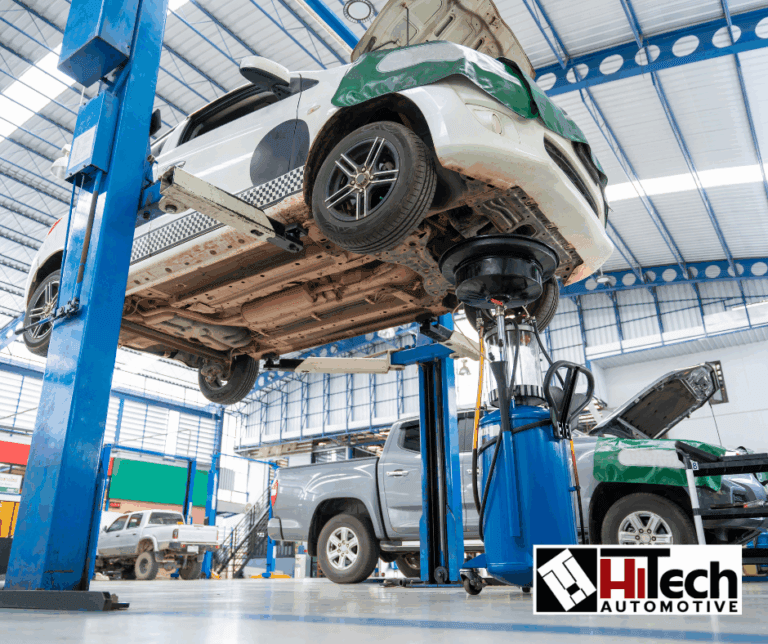
Finding a trusted local repair shop is another key to staying consistent. A professional shop like HiTech Automotive can track your service history and remind you when your next appointment is due. Their technicians can tailor your service schedule to your driving habits, ensuring your car gets exactly what it needs.
The Bottom Line: Consistency Is Key
There’s no one-size-fits-all rule for how often you should service your car, but following your manufacturer’s recommendations and paying attention to your driving conditions will help you determine the best schedule. Whether you drive daily or only occasionally, consistency is what matters most.
A well-serviced vehicle runs more efficiently, lasts longer, and keeps you safer on the road. Regular maintenance is an investment that pays off every time you turn the key.
For more detailed information about car maintenance intervals and manufacturer recommendations, visit AAA’s Car Maintenance Guide.
Taking the time to service your car regularly isn’t just about preventing breakdowns—it’s about protecting your investment and ensuring every drive is as smooth and safe as possible. By committing to a reliable maintenance routine, you’ll keep your car running at peak performance for many years to come. To schedule an appointment with HiTech Automotive, click here.