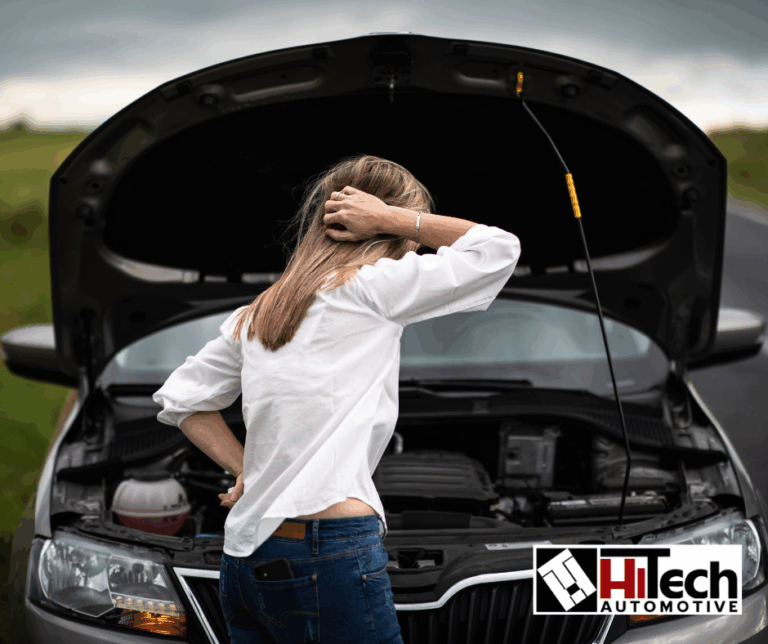
At some point, every driver faces the tough decision: is it time to repair or replace your vehicle? It’s not an easy question, especially when you’ve invested time, money, and maybe even a little love into your car. At HiTech Automotive, we understand how personal this choice can be. Knowing when to keep repairing your car and when to move on to something new can save you money, time, and stress in the long run.
1. Assess Your Vehicle’s Age and Mileage
The age and mileage of your car are major indicators of its remaining life. Most modern vehicles can easily last 150,000 to 200,000 miles with proper maintenance. If your car is still running reliably and your mechanic reports no major issues, repairs might be worth it. However, if you’re frequently stuck on the side of the road or your car’s systems are starting to fail, it could be more practical to replace your vehicle rather than keep investing in ongoing repairs.
A general rule of thumb is that if the cost of repairs exceeds half of your car’s current market value, replacement becomes the more logical choice.
2. Compare Repair Costs to Vehicle Value
Before you decide, find out what your car is worth. You can look up estimates using trusted resources such as Kelley Blue Book. Then compare that value with your estimated repair bill.
For example, if your car is worth $6,000 and needs $3,500 in repairs, you might be better off putting that money toward a newer, more reliable vehicle. On the other hand, if your repairs are relatively minor—like replacing brakes, belts, or tires—it’s usually worth fixing. A good mechanic can help you estimate what kind of repairs you’re likely to face in the next year, giving you a clearer picture of your car’s future costs.
3. Review the Reliability of Your Current Vehicle
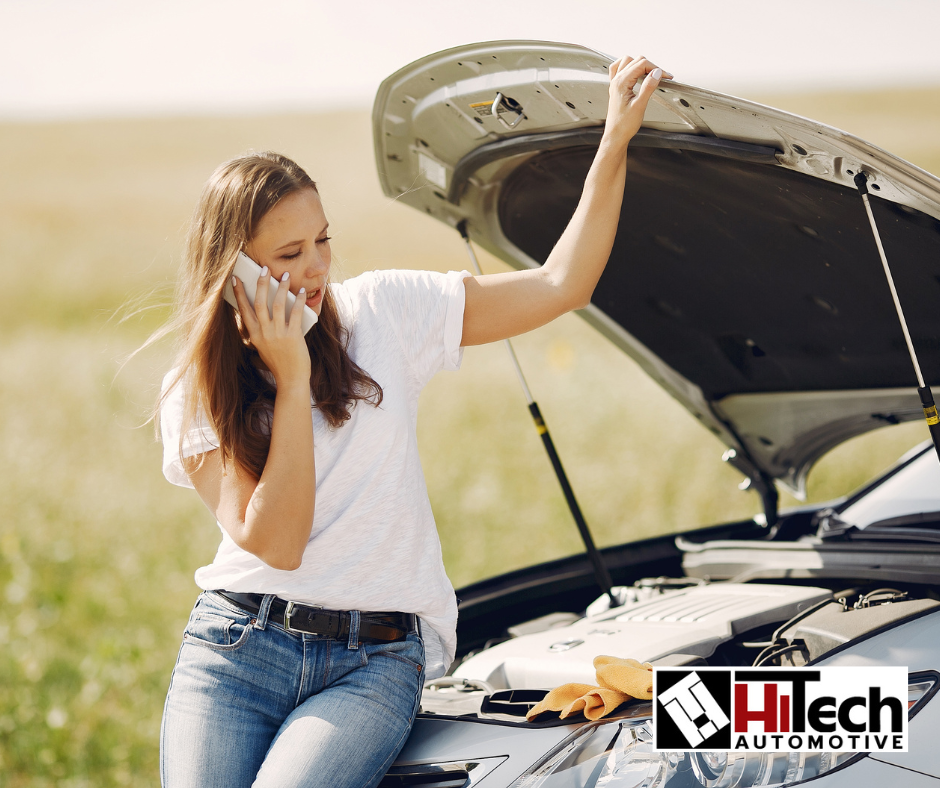
How dependable has your car been over time? If it has served you well with minimal issues, then continuing repairs may be the better choice. But if you’ve spent more time at the repair shop than on the road lately, it might be time to move on. Frequent breakdowns don’t just cost money; they also waste time and cause unnecessary stress.
At HiTech Automotive, we often advise customers to consider how often their car needs repairs and how serious those repairs have been. A single large repair may be worth it if it extends your car’s life by several years. But multiple recurring problems are usually a sign that it’s time to replace your vehicle.
4. Consider Safety and Technology
Automotive safety standards and technology have evolved dramatically in the past decade. Older vehicles often lack modern safety features like airbags, electronic stability control, and advanced driver assistance systems. Newer cars include technology that helps prevent accidents and protect passengers in ways older models simply can’t.
If your vehicle no longer meets today’s safety expectations or lacks comfort and convenience features that matter to you, upgrading might be worth it. Choosing to replace your vehicle can mean greater protection, better fuel efficiency, and access to technology that enhances your daily drive.
5. Evaluate Fuel Efficiency
Fuel efficiency is another major factor to think about. Older vehicles often consume more gas, especially as engines and fuel systems age. A newer vehicle with better mileage can save you hundreds of dollars each year in fuel costs alone. When you add that to the cost of frequent repairs, upgrading starts to make financial sense.
If your car’s gas mileage has noticeably declined or your check engine light frequently comes on due to emissions issues, it may be the right time to replace your vehicle with something more efficient and eco-friendly.
6. Don’t Ignore Insurance and Registration Costs
The age and condition of your car also affect insurance and registration costs. Older cars tend to have lower registration fees but may lack safety features that reduce insurance premiums. Meanwhile, newer vehicles, while sometimes more expensive to insure, may come with warranties that cover repairs for years. Comparing these long-term expenses helps you make a balanced decision.
7. Weigh the Emotional Factor
Many drivers grow attached to their vehicles, especially if they’ve had them for years. It’s completely understandable. Your car may have been with you through countless commutes, family trips, and milestones. However, emotional attachment shouldn’t outweigh practicality. If your car has become unreliable, unsafe, or too costly to maintain, parting ways may ultimately be the smarter and safer decision.
At HiTech Automotive, we always encourage drivers to think both with their hearts and their wallets. Sometimes, letting go of an old vehicle opens the door to a more comfortable, efficient, and dependable driving experience.
8. Factor in Downtime and Convenience
Every time your car is in the shop, you lose time—and potentially money—arranging alternate transportation. If you depend on your car for work or family duties, these disruptions can add up quickly. A reliable vehicle is worth more than just its price tag; it gives you confidence and consistency. If you’re dealing with constant downtime, it may be best to replace your vehicle rather than continue managing the inconvenience.
9. Explore Financing and Warranty Benefits
If the cost of repairs feels overwhelming, remember that newer cars often come with warranty protection, covering major components for several years. Financing a newer vehicle can also provide predictable monthly payments rather than unpredictable repair costs. On the other hand, if your current car is paid off and still running well, continuing maintenance might save you from monthly bills for a little longer.
Final Thoughts
Ultimately, the decision to repair or replace your vehicle depends on several factors—cost, reliability, safety, and long-term value. If your current car still runs safely and meets your needs, repairs can be a smart investment. But if repair costs are stacking up, your car feels less safe, or it no longer fits your lifestyle, it might be time to start shopping for something new.
At HiTech Automotive, we’re here to help you make the best decision for your situation. Our experienced technicians can assess your car’s condition, estimate future repair needs, and give you honest guidance about whether repairs are worthwhile. Whether you decide to keep your current ride or replace your vehicle, we’ll make sure you’re driving with confidence. Click here to schedule an appointment today!