Regular vehicle maintenance is essential for keeping your car running safely, efficiently, and reliably. Following a preventive maintenance checklist ensures that small problems don’t turn into expensive repairs, and it helps extend the life of your vehicle. By staying proactive and addressing key areas of your car regularly, you can prevent breakdowns, improve performance, and maintain your investment over time.
Understanding the Importance of Preventive Maintenance
Preventive maintenance focuses on taking care of your vehicle before problems occur. Instead of reacting to a breakdown, you inspect, service, and replace components according to a schedule. A preventive maintenance checklist is a valuable tool for every car owner because it provides a structured approach to keeping your car in top condition. It covers everything from engine care to tires, brakes, and other critical systems, helping you stay ahead of potential issues.
Key Items on a Preventive Maintenance Checklist
1. Oil and Filter Changes
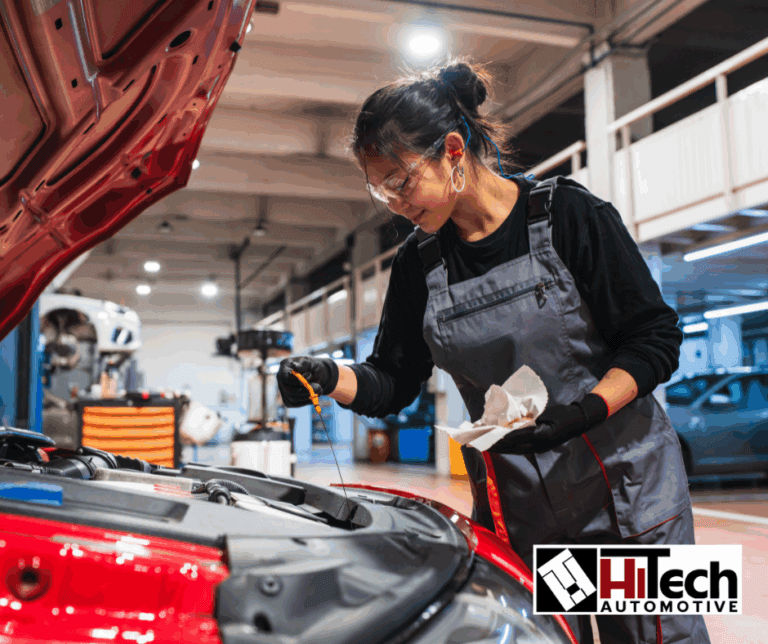
Changing your oil regularly is one of the most important steps on any preventive maintenance checklist. Fresh oil lubricates the engine, reduces wear, and removes harmful particles. Most manufacturers recommend changing oil every 3,000–7,500 miles, depending on your vehicle and driving habits. Skipping this step can lead to decreased engine performance and costly repairs.
2. Tire Maintenance
Tires are critical for safety, handling, and fuel efficiency. A preventive maintenance checklist should include checking tire pressure monthly, rotating tires every 5,000–7,000 miles, and inspecting tread depth. Uneven wear can indicate alignment or suspension issues that should be addressed promptly. Proper tire maintenance ensures better traction, longer tire life, and safer driving.
3. Brake Inspections
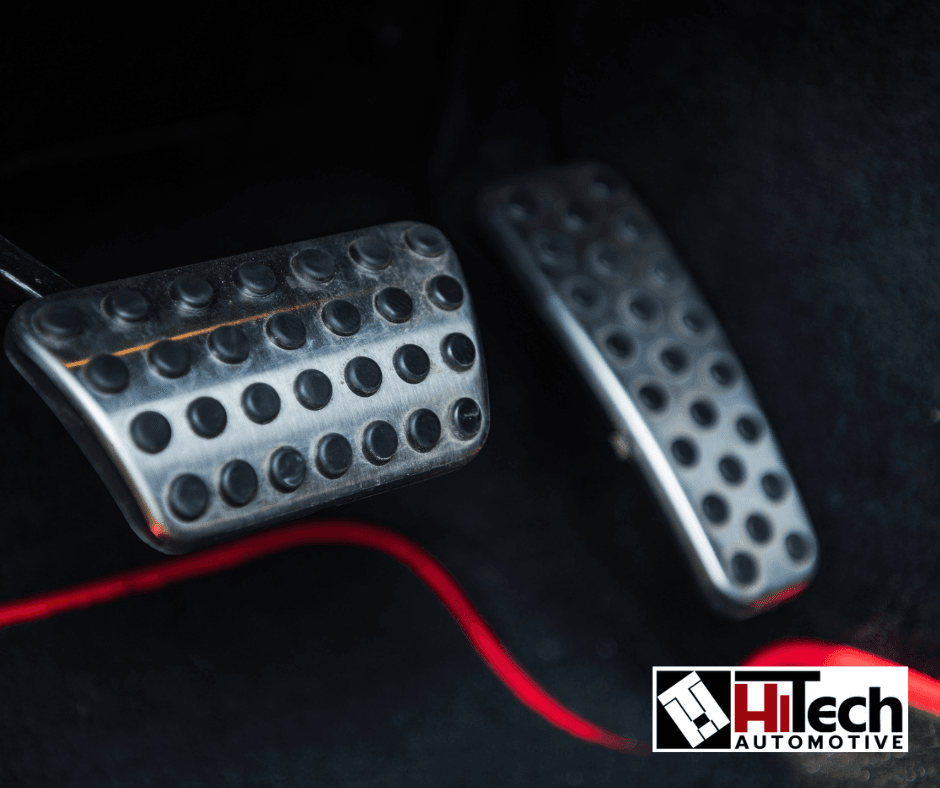
Brakes are one of the most vital safety features of your vehicle. A preventive maintenance checklist should include checking brake pads, rotors, and fluid levels at least once a year. Pay attention to signs of squeaking, grinding, or reduced responsiveness. Addressing brake issues early helps prevent accidents and reduces repair costs.
4. Fluid Checks
Vehicles rely on various fluids for optimal performance, including coolant, transmission fluid, brake fluid, power steering fluid, and windshield washer fluid. A thorough preventive maintenance checklist includes inspecting these fluids regularly and topping them off or replacing them as needed. Proper fluid levels prevent overheating, corrosion, and component failures.
5. Battery Care
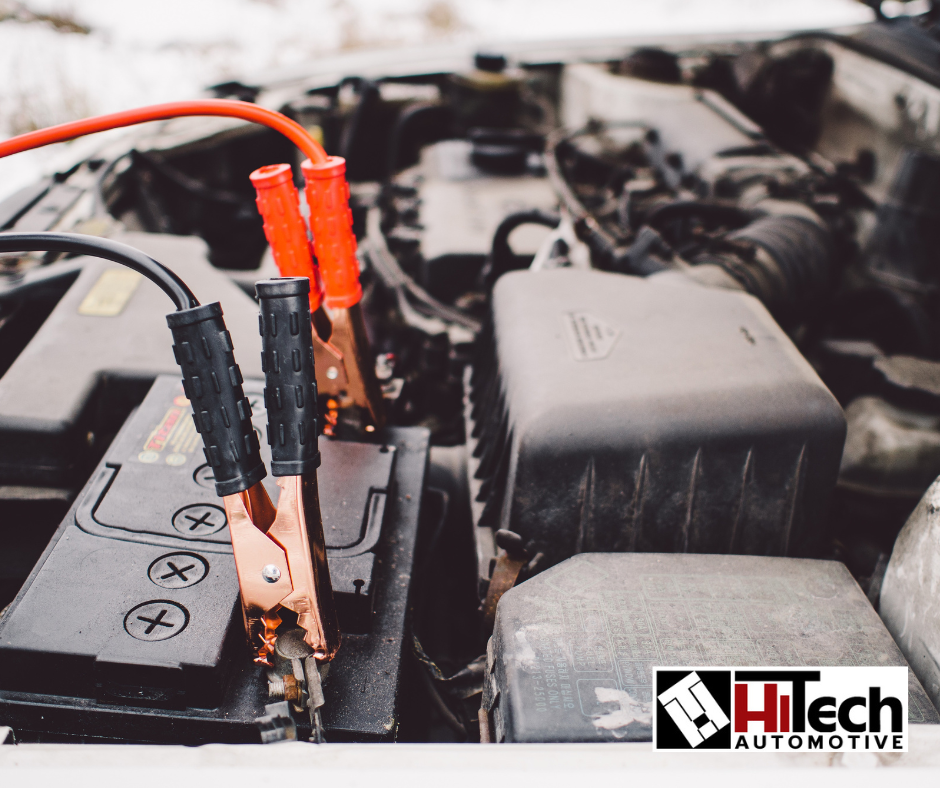
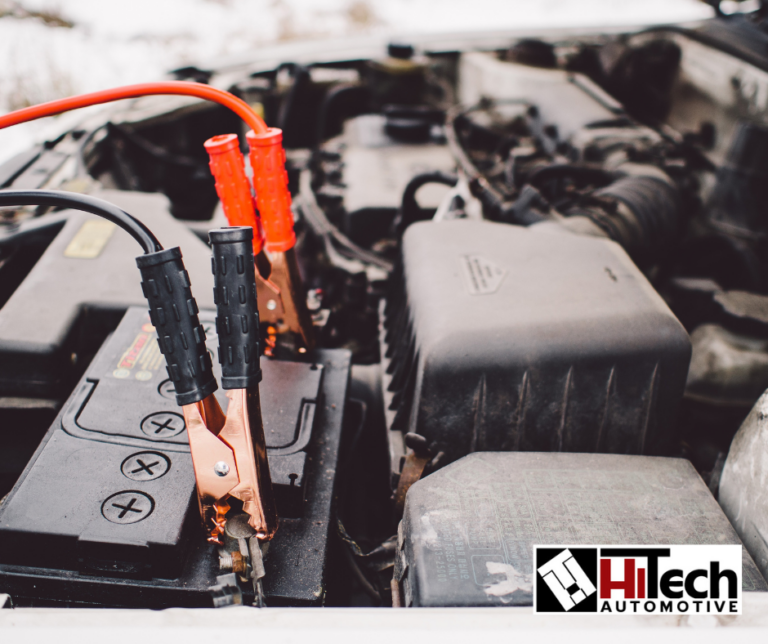
Car batteries are a common source of roadside breakdowns. Your preventive maintenance checklist should include checking for corrosion on battery terminals, ensuring secure connections, and testing battery voltage. Replacing a weak battery before it fails can save you from being stranded unexpectedly.
6. Belts and Hoses
Belts and hoses are essential for engine operation and cooling. A preventive maintenance checklist should include inspecting them for cracks, leaks, or wear. Replacing worn belts and hoses prevents breakdowns and helps avoid major engine damage.
7. Lights and Wipers
Safety on the road depends on visibility. A preventive maintenance checklist should include testing headlights, brake lights, turn signals, and interior lights. Wiper blades should be replaced at least once a year or when streaking occurs. Keeping your vehicle’s lights and wipers in good condition is a simple yet effective preventive measure.
8. Air and Cabin Filters
Air filters keep your engine clean, while cabin filters maintain the air quality inside your vehicle. Your preventive maintenance checklist should include replacing these filters according to the manufacturer’s recommendations to maintain optimal engine efficiency and passenger comfort.
9. Suspension and Steering
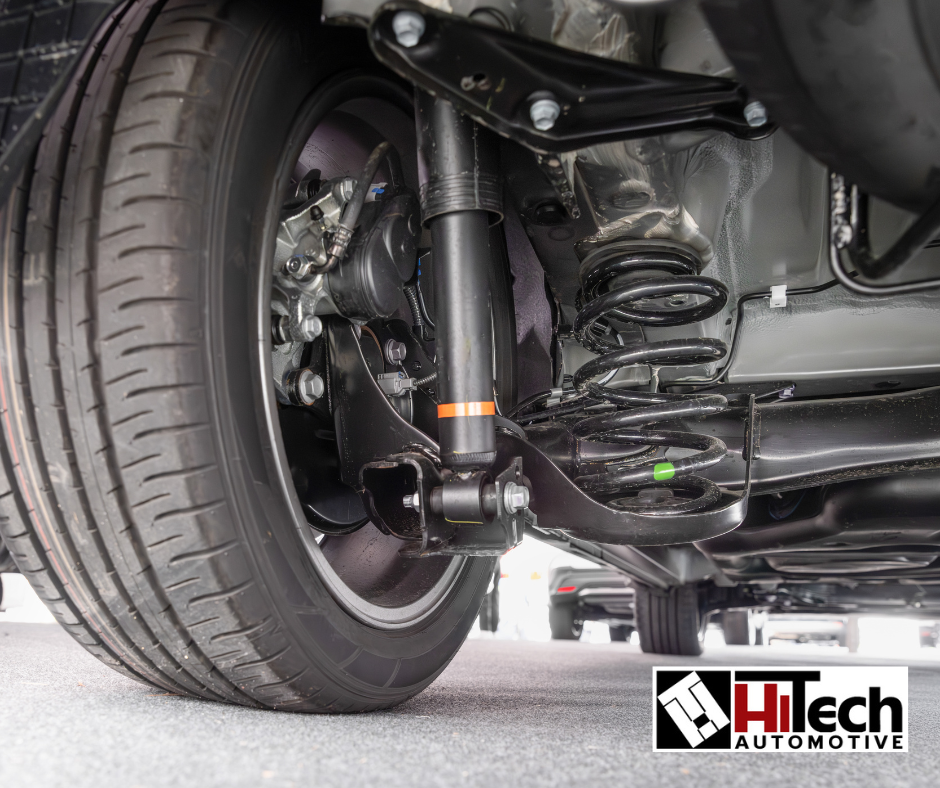
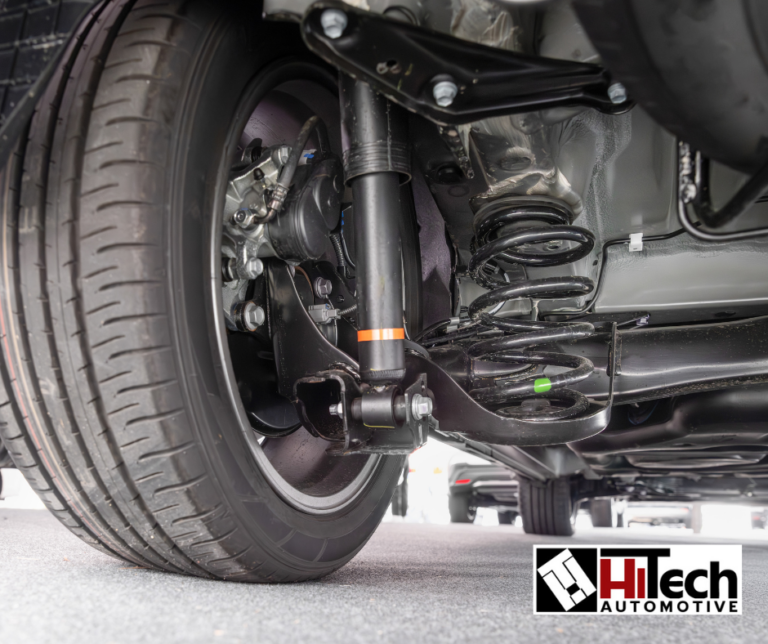
The suspension and steering systems affect ride comfort, handling, and safety. A preventive maintenance checklist should include inspecting shocks, struts, and steering components for wear or damage. Addressing unusual noises, vibrations, or pulling to one side promptly helps maintain vehicle control and safety.
10. Scheduled Professional Inspections
While many maintenance tasks can be done at home, professional inspections are an important part of a preventive maintenance checklist. Certified technicians can identify hidden problems, perform thorough inspections, and provide expert recommendations to keep your vehicle running at its best. Visiting a trusted shop like HiTech Automotive ensures that your car receives the care it needs. To schedule an appointment with HiTech Automotive, click here.
Benefits of Following a Preventive Maintenance Checklist
Following a preventive maintenance checklist provides several key benefits for every car owner:
-
Enhanced Safety: Ensures brakes, tires, and other critical systems are functioning correctly.
-
Extended Vehicle Lifespan: Reduces wear and tear, keeping your car reliable for years.
-
Better Fuel Efficiency: Well-maintained engines and tires improve gas mileage.
-
Lower Repair Costs: Detecting small issues early prevents expensive repairs down the road.
Final Thoughts
A preventive maintenance checklist is an essential tool for proactive car care. By regularly inspecting and maintaining your vehicle, you can prevent costly breakdowns, ensure safety, and extend the life of your investment. Incorporating these steps into your routine and consulting professional technicians when necessary is the best way to stay ahead of potential problems.
For detailed tips on preventive maintenance and expert advice, visit the National Institute for Automotive Service Excellence by clicking here.