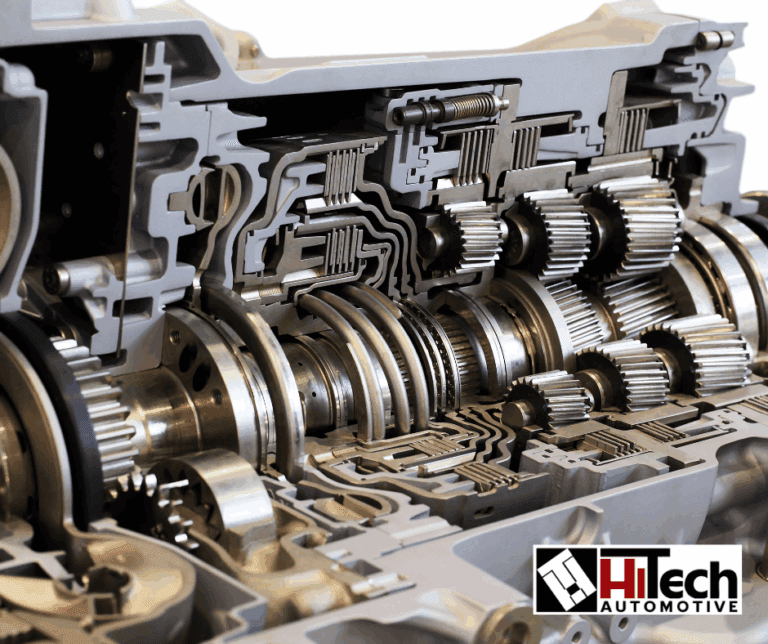
Your vehicle’s transmission is one of the most critical components, responsible for transferring power from the engine to the wheels. Proper transmission care is essential for smooth gear shifts, reliable performance, and avoiding costly repairs. Understanding how to maintain your transmission, recognizing warning signs, and following preventive tips can save you both time and money while keeping your car running at its best.
Understanding Transmission Basics
The transmission allows your car to change gears and operate efficiently at varying speeds. Most modern vehicles feature either automatic or manual transmissions. Automatic transmissions shift gears without driver input, while manual transmissions require the driver to engage the clutch and shift manually. Regardless of the type, proper transmission care is essential to avoid premature wear, overheating, or complete failure. Knowing transmission basics empowers you to spot potential issues before they escalate.
Signs Your Transmission Needs Attention
Being proactive with transmission care means recognizing early warning signs. Watch for these indicators:
-
Delayed or Sluggish Shifting: Hesitation when changing gears may indicate low fluid levels or internal wear.
-
Unusual Noises: Grinding, whining, or clunking sounds often signal transmission problems.
-
Fluid Leaks: Red, brown, or dark fluid underneath your car can indicate a leak that requires immediate attention.
-
Dashboard Warning Lights: The check engine light may indicate transmission-related issues.
-
Burning Smell: Overheated transmission fluid can emit a burning odor, indicating your transmission is under stress.
Recognizing these symptoms and addressing them quickly is a crucial part of proper transmission care.
Key Transmission Care Tips
1. Check Transmission Fluid Regularly
Transmission fluid lubricates the internal components, reduces friction, and keeps the system cool. Checking fluid levels regularly is a fundamental aspect of transmission care. Low or dirty fluid can cause overheating and accelerated wear, so following the manufacturer’s guidelines for fluid inspection is essential.
2. Change Transmission Fluid on Schedule
Routine fluid changes are vital for long-term transmission health. Over time, transmission fluid breaks down, losing its effectiveness and increasing the risk of damage. Most manufacturers recommend changing automatic transmission fluid every 30,000–60,000 miles, but check your owner’s manual for specific intervals. (Edmunds: Transmission Maintenance Tips)
3. Avoid Excessive Towing or Heavy Loads
Excessive towing or carrying heavy loads can overwork your transmission and increase wear. If you regularly tow trailers or carry heavy cargo, consider installing a transmission cooler and ensuring the fluid is in good condition. This is an essential step in transmission care for vehicles used in heavy-duty situations.
4. Warm Up Your Car in Cold Weather
Cold temperatures can thicken transmission fluid, making it harder for gears to engage properly. Warming up your vehicle for a few minutes before driving ensures fluid circulates effectively and helps prevent unnecessary stress on internal components.
5. Use the Correct Transmission Fluid
Using the wrong type of fluid can cause poor performance or even damage your transmission. Always use the fluid specified in your owner’s manual. Using the right fluid is one of the simplest yet most important parts of transmission care.
6. Avoid Aggressive Driving
Rapid acceleration, abrupt stops, and harsh shifting put additional stress on the transmission. Smooth, consistent driving reduces wear on gears and internal components, contributing to longer transmission life.
7. Inspect Transmission Components
During routine maintenance, have a professional inspect transmission mounts, linkages, and seals for wear or leaks. Early detection of potential problems is an essential component of good transmission care.
8. Address Problems Immediately
Ignoring early warning signs can lead to complete transmission failure. If you notice slipping gears, unusual noises, or delayed shifting, bring your car to a trusted automotive shop like HiTech Automotive. Timely professional intervention is a critical step in transmission care and can save you from costly repairs.
9. Schedule Professional Transmission Inspections
Even if your car seems to be running fine, regular professional inspections are a key part of transmission care. Technicians can identify hidden issues, perform fluid flushes, and ensure your transmission remains in optimal condition. Regular inspections help catch small issues before they become major problems.
Benefits of Proper Transmission Care
Maintaining your transmission through regular care and inspections provides several advantages:
-
Smooth Gear Shifts: Regular maintenance ensures seamless driving performance.
-
Extended Transmission Life: Proper care reduces wear and prevents premature replacement.
-
Lower Repair Costs: Addressing small issues early prevents expensive rebuilds or replacements.
-
Improved Vehicle Performance: A well-maintained transmission contributes to better fuel efficiency and overall driving experience.
Final Thoughts
Transmission care is essential for vehicle performance, safety, and longevity. By following these maintenance tips—checking fluid, changing it on schedule, avoiding heavy loads, driving smoothly, and seeking professional inspections—you can keep your gears running smoothly for years. Incorporating these steps into your routine and consulting experienced technicians at HiTech Automotive ensures your transmission operates efficiently and reliably. To schedule an appointment with HiTech Automotive today, click here.
For more expert guidance on transmission maintenance and other vehicle care tips, visit the National Institute for Automotive Service Excellence by clicking here.