Maintaining your vehicle properly goes beyond oil changes and tire rotations. One of the simplest and most effective ways to keep your car running smoothly is by monitoring its fluids. Certain fluids are essential for the engine, brakes, transmission, and overall performance of your vehicle. Knowing which fluids you should check regularly and how to inspect them can save you from costly repairs and keep your car operating safely. In this article, we’ll cover the five key fluids you should check regularly and provide tips on how to do it.
1. Engine Oil
Engine oil is the lifeblood of your vehicle. It lubricates the engine’s moving parts, reduces friction, and helps prevent overheating. Low or dirty oil can cause severe engine damage over time.
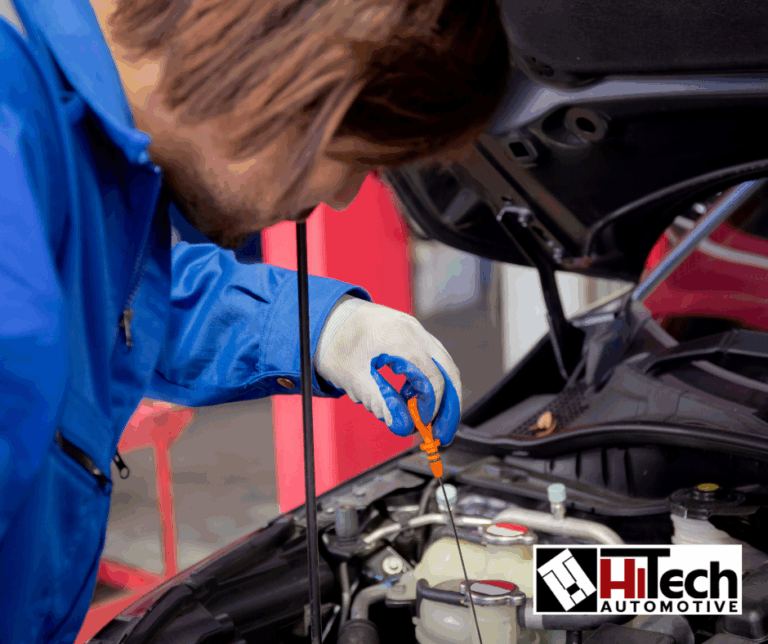
To check your engine oil:
-
Park your car on a level surface and turn off the engine.
-
Wait a few minutes for the oil to settle.
-
Pull out the dipstick, wipe it clean, reinsert it, and then remove it again to check the level.
-
Examine the oil’s color and consistency; it should be amber and smooth, not dark or gritty.
Most manufacturers recommend checking your oil at least once a month, and always before long trips. Regular oil changes, combined with routine checks, ensure your engine stays healthy.
2. Coolant / Antifreeze
The coolant, also called antifreeze, prevents your engine from overheating and protects it from freezing in cold weather. Running low on coolant can lead to engine overheating, leaks, and serious damage.
To check your coolant:
-
Make sure the engine is cool before opening the radiator or coolant reservoir.
-
Locate the reservoir, which is usually a translucent tank with “Min” and “Max” markings.
-
Ensure the fluid level is between these marks.
-
Inspect the fluid’s color; it should be bright green, orange, or pink depending on the type.
Checking your coolant should be part of your seasonal maintenance routine. If levels are consistently low, it could indicate a leak in the system, which should be inspected immediately.
3. Brake Fluid
Brake fluid is crucial for your vehicle’s stopping power. It transmits the force from your brake pedal to the brake pads, allowing your car to stop efficiently. Low or contaminated brake fluid can lead to brake failure, putting you and others at risk.
To check your brake fluid:
-
Locate the brake fluid reservoir, usually found near the back of the engine bay.
-
Check that the fluid level is between the “Min” and “Max” marks.
-
Observe the fluid color; fresh brake fluid is typically clear or light amber. Dark or murky fluid may need to be replaced.
Brake fluid should be checked regularly, especially if you notice a soft brake pedal, squeaking, or unusual braking behavior. Most manufacturers recommend replacing brake fluid every two to three years.
4. Transmission Fluid
Transmission fluid lubricates the gears and ensures smooth shifting in your automatic or manual transmission. Low or degraded fluid can cause hard shifts, slipping gears, or even transmission failure.
To check transmission fluid:
-
Consult your owner’s manual, as some newer vehicles require the engine to be running while in park to check fluid.
-
Locate the transmission dipstick, if your car has one.
-
Pull out the dipstick, wipe it clean, reinsert it, and remove it again to check the level.
-
Examine the fluid’s color and smell; healthy transmission fluid is usually red or pink and should not smell burnt.
Regularly checking transmission fluid is essential, especially if your vehicle frequently drives in heavy traffic or hauls heavy loads. Low or dirty fluid should be addressed promptly to avoid costly transmission repairs.
5. Power Steering Fluid
Power steering fluid ensures smooth steering and easy maneuverability. Low fluid can make steering difficult and put extra strain on the steering pump.
To check power steering fluid:
-
Locate the power steering reservoir under the hood.
-
Check the fluid level against the “Min” and “Max” markings.
-
Inspect the fluid’s color and consistency; it should be clear or light amber.
If you notice whining noises when turning the wheel or stiff steering, it may indicate low power steering fluid. Regular checks help prevent pump damage and maintain precise steering control.
Tips for Checking Fluids Safely
When checking any fluid, always ensure your car is parked on a flat surface, the engine is cool when necessary, and you use the manufacturer-recommended fluid type. Keep a small funnel and clean rags handy to avoid spills and contamination.
Additionally, if you’re unsure about inspecting fluids yourself, HiTech Automotive offers professional maintenance services to ensure your vehicle is in top condition. Their expert technicians can check, top off, and replace all essential fluids efficiently, giving you peace of mind on the road.
For a detailed guide on vehicle fluids and maintenance tips, you can also visit AAA’s Car Maintenance Guide to learn more about keeping your car healthy.
Conclusion
Monitoring and maintaining the five key fluids—engine oil, coolant, brake fluid, transmission fluid, and power steering fluid—is a simple yet critical part of car care. By taking the time to check these fluids, you can avoid costly repairs, extend the lifespan of your vehicle, and drive safely.
HiTech Automotive recommends setting a regular schedule to inspect your car’s fluids and address any issues promptly. Whether you prefer to check fluids yourself or have a professional handle it, staying on top of maintenance ensures your vehicle continues to perform at its best. Making these small checks a habit can prevent breakdowns and keep your car running smoothly for years to come. To schedule an appointment with HiTech Automotive, click here.