
Experiencing your car shaking while driving can be both unsettling and concerning. Many drivers notice vibrations or tremors but aren’t sure what causes them. While some shaking is minor and harmless, persistent or severe vibrations can indicate serious underlying issues. Understanding the common causes and knowing when to seek professional help can protect your vehicle and ensure your safety on the road. Here’s what you need to know about why your car might be shaking while driving.
1. Tire Problems
One of the most common reasons for shaking while driving is a tire issue. Worn, unbalanced, or misaligned tires can create vibrations that are felt throughout the car. Even minor imbalances can cause noticeable shaking at higher speeds, typically above 50 mph.
Check for uneven tire wear, low pressure, or visible damage. Regular tire rotations and alignments can prevent shaking and extend the life of your tires. Driving with poorly maintained tires not only causes vibrations but can also be a safety hazard.
2. Wheel Alignment Issues
Misaligned wheels are another frequent cause of shaking while driving. When your wheels are not properly aligned, your car may pull to one side, and the steering wheel may vibrate, especially at highway speeds.
Wheel alignment problems often result from hitting potholes, curbs, or rough terrain. Regular inspections and alignment checks are essential for maintaining smooth handling and minimizing tire wear.
3. Brake System Concerns
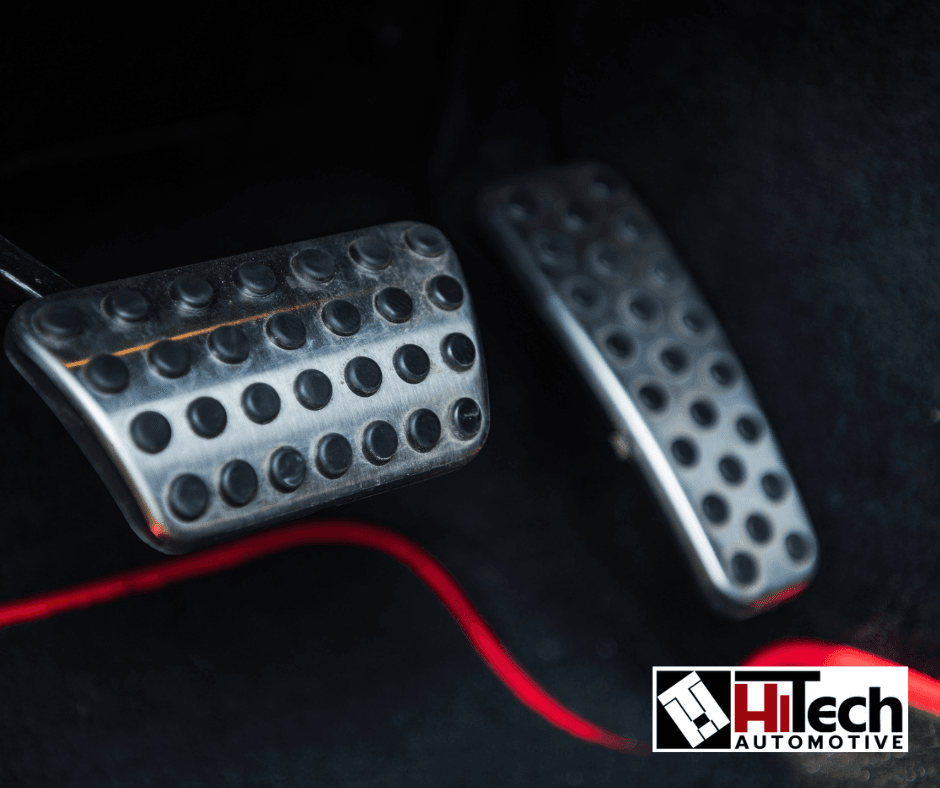
If your car shakes primarily when you apply the brakes, the issue is likely related to the braking system. Warped brake rotors are a common culprit. Over time, heat from braking can cause rotors to warp, resulting in vibrations when the brake pads make contact.
Other brake issues, such as worn pads or caliper problems, can also cause shaking. Ignoring these symptoms can reduce braking efficiency and increase stopping distances, creating a serious safety risk.
4. Suspension and Steering Components
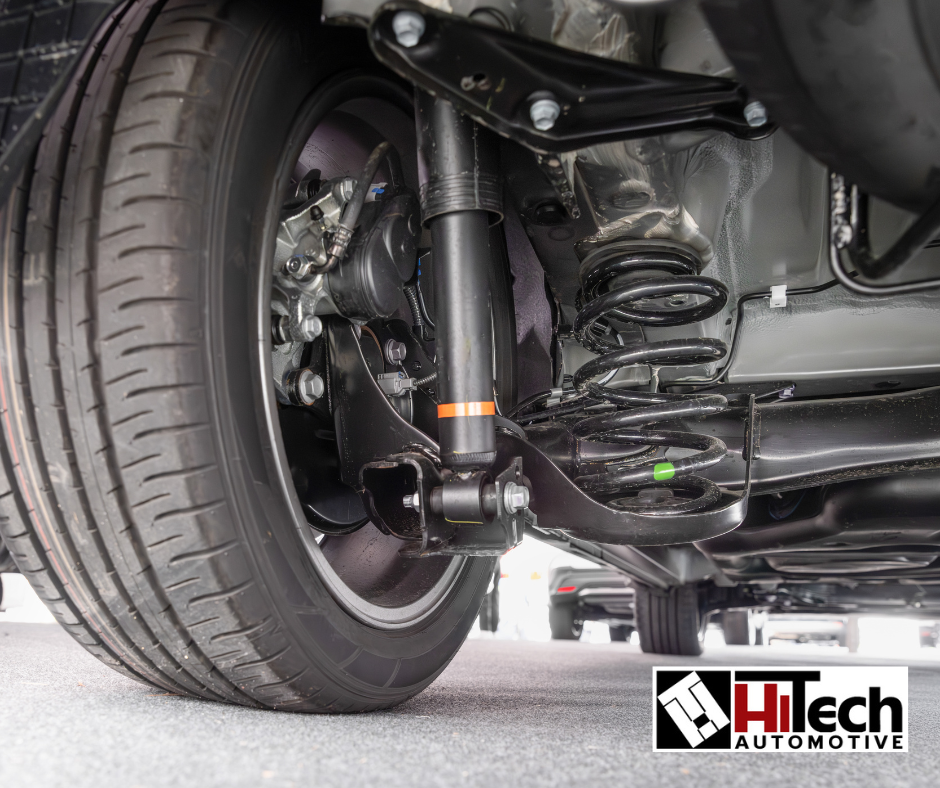
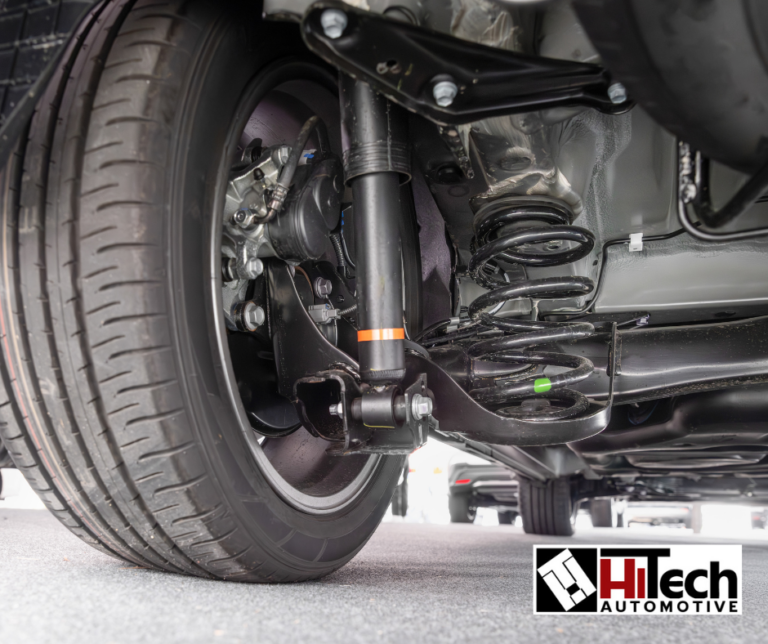
Worn or damaged suspension and steering parts can cause your car to shake while driving. Components such as ball joints, tie rods, control arms, and shocks or struts are responsible for keeping your vehicle stable. When any of these parts wear out, vibrations can occur, particularly over uneven surfaces.
A failing suspension system can affect handling, steering, and overall vehicle safety. If you notice shaking combined with clunking noises or poor handling, it’s important to have your suspension inspected immediately.
5. Engine and Transmission Issues
Sometimes, shaking while driving originates from the engine or transmission. Engine misfires, worn spark plugs, clogged fuel injectors, or dirty air filters can cause vibrations. Similarly, transmission problems, such as worn mounts or fluid issues, can lead to shaking during acceleration.
If you experience shaking along with reduced power, strange noises, or difficulty shifting gears, it’s important to have a professional mechanic examine your vehicle to prevent further damage.
6. Axle or Driveshaft Problems
In vehicles with front-wheel, rear-wheel, or all-wheel drive, issues with the axle or driveshaft can lead to shaking while driving. Bent or damaged axles, worn CV joints, or loose driveshaft components often create noticeable vibrations, especially when accelerating.
Ignoring axle or driveshaft problems can lead to more severe damage and costly repairs. Early detection and repair are essential for maintaining safe and reliable driving.
7. Wheel Bearings and Hub Assemblies
Faulty wheel bearings or hub assemblies are another possible cause of shaking while driving. These components allow your wheels to rotate smoothly. When they become worn or damaged, vibrations can occur, sometimes accompanied by a humming or grinding noise.
Wheel bearing problems can affect vehicle stability and should be addressed promptly to prevent accidents or further mechanical failure.
When to Seek Professional Help
While minor shaking may sometimes be harmless, consistent or worsening vibrations should never be ignored. Persistent shaking can indicate issues that affect vehicle safety, handling, and performance.
HiTech Automotive recommends scheduling a professional inspection if your car shakes while driving. Experienced technicians can diagnose the root cause and perform the necessary repairs to keep your vehicle safe and comfortable. Regular maintenance, such as tire rotations, brake inspections, and suspension checks, can help prevent many causes of shaking.
For a detailed guide on vehicle vibrations and preventive maintenance, you can also visit YourMechanic’s Common Car Vibrations Guide to learn more about potential issues and solutions.
Conclusion
Shaking while driving can stem from a wide range of issues, from simple tire imbalances to more serious engine or suspension problems. Understanding the signs and seeking timely professional help can prevent further damage, improve safety, and extend the life of your vehicle.
If your car shakes while driving, don’t wait—contact HiTech Automotive by clicking here. Our skilled technicians provide thorough inspections and expert repairs, helping you get back on the road with confidence. Addressing problems early not only enhances your driving experience but also saves you money in the long run.
By paying attention to the health of your tires, brakes, suspension, and engine, you can reduce or eliminate shaking while driving and enjoy a smoother, safer ride every time.