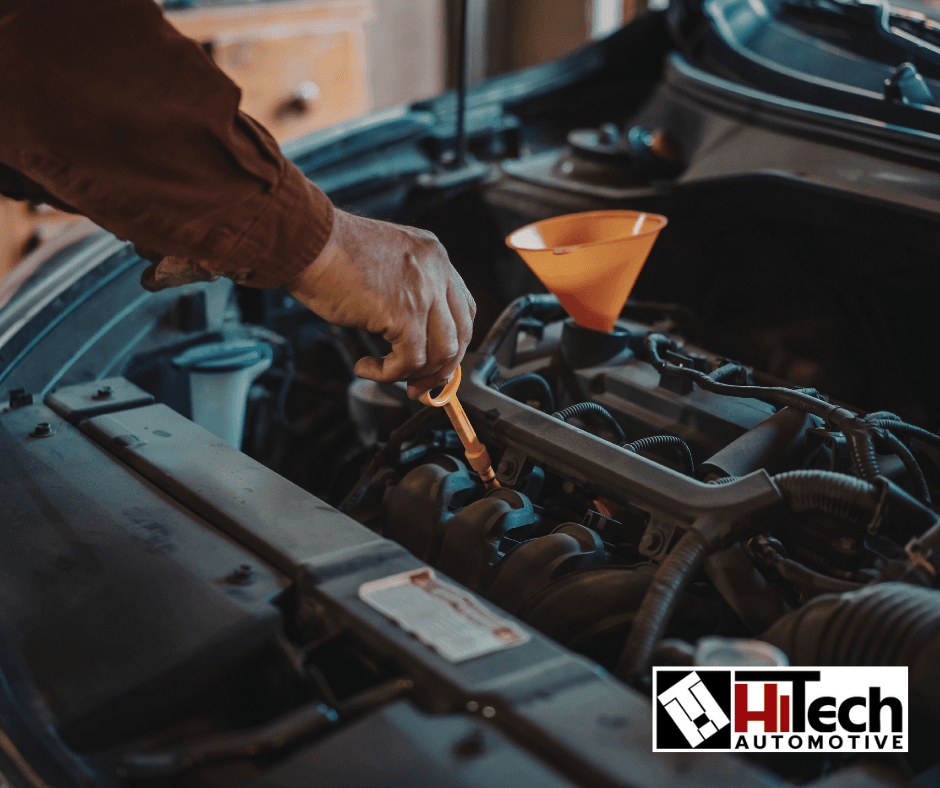
When it comes to protecting your vehicle and avoiding expensive repairs, one of the simplest habits you can develop is to check regularly the essential fluids under your hood. At HiTech Automotive, we’ve seen firsthand how routine fluid maintenance can extend engine life, improve performance, and prevent breakdowns. Drivers who regularly check their vehicle’s fluids are far less likely to experience sudden mechanical failures or costly damage.
Your vehicle depends on several critical fluids to operate safely and efficiently. Here are the top five fluids every driver should monitor on a consistent basis.
1. Engine Oil
Engine oil is arguably the most important fluid in your vehicle. It lubricates moving parts, reduces friction, regulates temperature, and helps keep your engine clean. Without proper oil levels or clean oil, internal components can wear out quickly, leading to major engine damage.
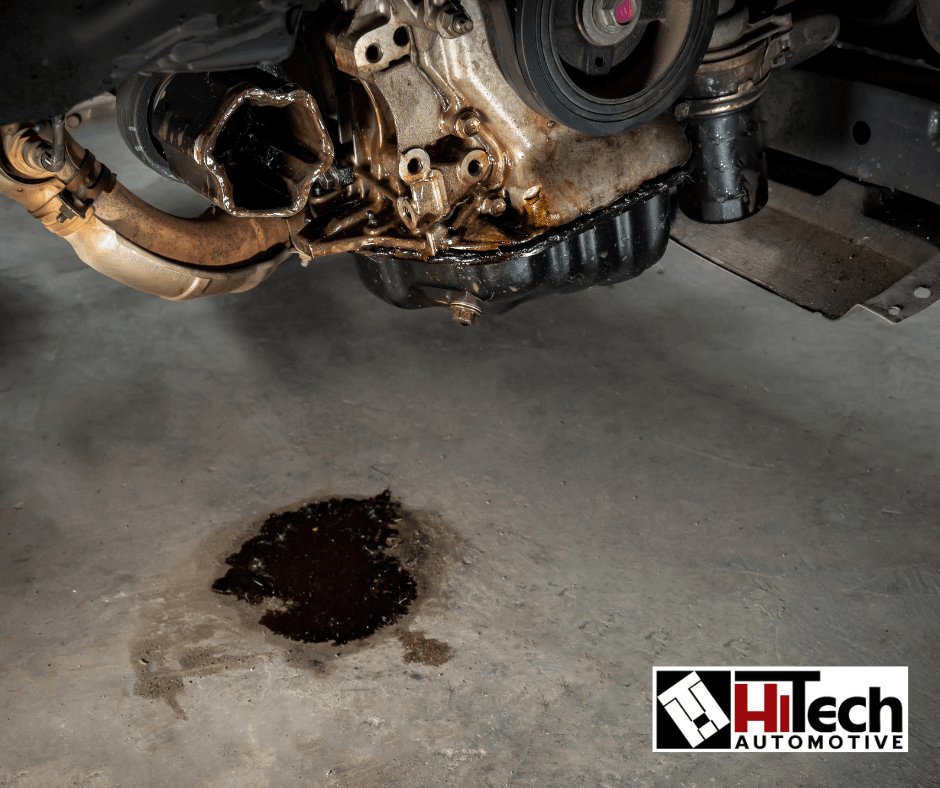
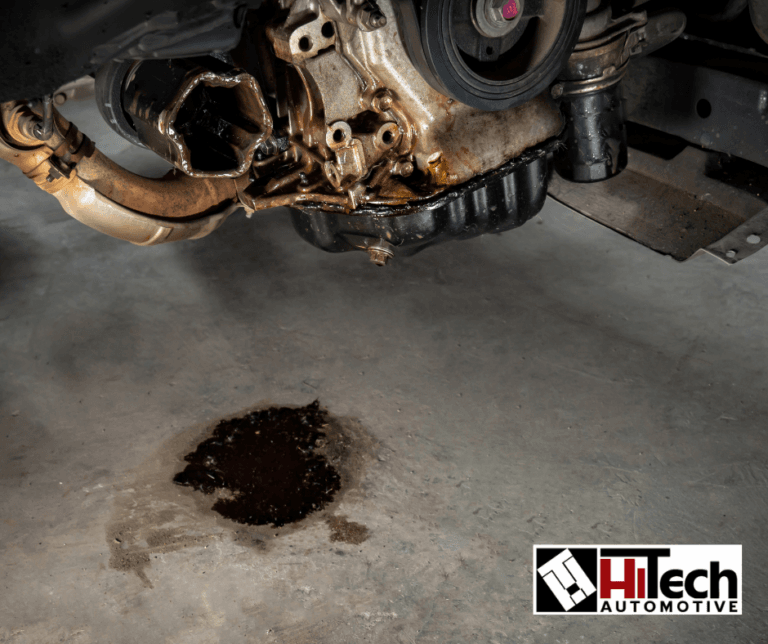
You should regularly check your engine oil level using the dipstick, especially before long trips. The oil should appear amber and smooth. If it looks dark, gritty, or milky, it may be time for a change. Low oil levels can indicate leaks or excessive consumption, both of which should be addressed promptly.
Most vehicles require an oil change every 3,000 to 7,500 miles, depending on the manufacturer’s recommendation and driving conditions. If you’re unsure, your owner’s manual or a trusted technician can guide you.
2. Coolant (Antifreeze)
Your engine generates a tremendous amount of heat. Coolant, also known as antifreeze, circulates through the radiator and engine to prevent overheating and freezing. Without adequate coolant, your engine could overheat in a matter of minutes.
Drivers should regularly check the coolant level in the reservoir tank. The fluid should sit between the “minimum” and “maximum” markings. If it’s consistently low, you could have a leak in the radiator, hoses, or water pump.
Coolant typically needs to be flushed and replaced every 30,000 to 50,000 miles, but intervals can vary. According to guidance from the National Institute for Automotive Service Excellence (ASE), proper cooling system maintenance is key to preventing overheating and corrosion.
Never remove the radiator cap while the engine is hot, as pressurized coolant can cause serious burns.
3. Brake Fluid
Brake fluid plays a critical role in your vehicle’s safety. It transfers the force from your brake pedal to the braking system at each wheel. If brake fluid becomes contaminated or low, you may notice a soft or spongy brake pedal, reduced stopping power, or warning lights on your dashboard.
Because brake fluid absorbs moisture over time, it can lose effectiveness and contribute to corrosion in the braking system. It’s important to check regularly the brake fluid level in the master cylinder reservoir. The fluid should be clear or light yellow. Dark fluid may signal contamination.
Most manufacturers recommend replacing brake fluid every two to three years, but driving habits and climate conditions can impact this timeline. If you experience any braking issues, have your system inspected immediately.
4. Transmission Fluid
Transmission fluid lubricates, cools, and cleans the internal components of your transmission. Whether your vehicle has an automatic or manual transmission, this fluid is vital for smooth gear shifting and long-term reliability.
Drivers should regularly check the transmission fluid level and condition if their vehicle is equipped with a dipstick. Healthy transmission fluid is usually bright red and has a slightly sweet smell. If it appears brown, smells burnt, or contains debris, it may need to be replaced.
Transmission repairs are among the most expensive automotive fixes, which is why preventive maintenance is so important. Service intervals vary widely, with some vehicles requiring fluid changes every 30,000 miles and others extending up to 100,000 miles.
5. Power Steering Fluid
Power steering fluid allows you to turn your steering wheel smoothly and with minimal effort. Low or contaminated power steering fluid can cause whining noises, stiff steering, or difficulty maneuvering at low speeds.
You should regularly check the power steering fluid level in its designated reservoir. The fluid should be clean and typically red or amber in color. If you notice foaming, discoloration, or a burning smell, it may be time for service.
While some newer vehicles use electric power steering systems that don’t require fluid, many cars on the road today still rely on hydraulic systems. Keeping this fluid at proper levels ensures responsive and safe steering performance.
Why Routine Fluid Checks Matter
Taking a few minutes each month to inspect your vehicle’s fluids can save you hundreds or even thousands of dollars in repairs. Fluids naturally degrade over time and can leak due to worn seals or damaged components. When you check regularly, you catch small issues before they escalate into major problems.
In addition to these five key fluids, don’t forget about windshield washer fluid and differential fluid if applicable. While not as critical to engine operation, they still contribute to safety and overall vehicle health.
At HiTech Automotive, our experienced technicians are here to help with comprehensive fluid inspections, flushes, and maintenance services. If you’re unsure how to regularly check your vehicle’s fluids or would rather leave it to the professionals, we’re happy to assist. Preventive maintenance is always more affordable than emergency repairs. Click here to schedule an appointment today!
By staying proactive and making fluid checks part of your routine, you’ll enjoy improved performance, better fuel efficiency, and greater peace of mind every time you hit the road.