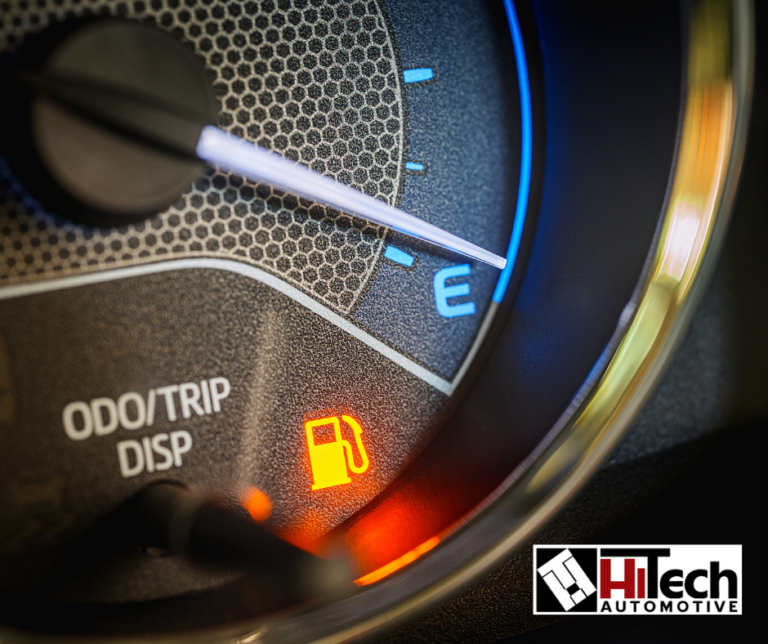
If you’ve noticed yourself stopping at the gas station more often than usual, your vehicle may be experiencing an issue that affects its fuel efficiency. A car burning through gas faster than normal can be frustrating, especially with constantly changing fuel prices. While some fuel consumption is expected depending on your driving habits and vehicle, a sudden decrease in gas mileage could indicate an underlying mechanical problem that needs attention.
At HiTech Automotive, we help drivers identify and address vehicle issues that can affect performance and fuel economy. Understanding what causes a car burning through gas can help you catch problems early and avoid unnecessary expenses.
1. Dirty or Clogged Air Filter
Your engine needs a steady supply of clean air to operate efficiently. When the engine air filter becomes clogged with dirt, dust, and debris, it can restrict airflow and affect engine performance. This can contribute to reduced fuel efficiency, particularly in certain driving conditions.
Replacing a dirty air filter is a relatively simple maintenance task that can help your engine breathe properly and maintain better performance.
2. Underinflated Tires
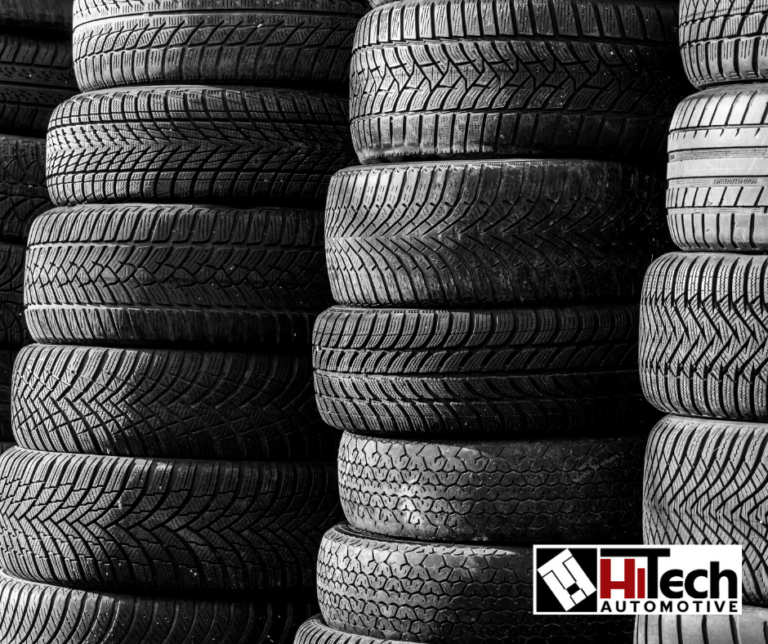
Your tires have a bigger impact on fuel economy than you might realize. When tires are underinflated, they create additional rolling resistance, meaning your engine has to work harder to keep the vehicle moving.
Check your tire pressure regularly and make sure it matches the recommended PSI listed on the sticker inside your driver’s door. Keeping your tires properly inflated can help improve fuel efficiency and extend tire life.
3. Faulty Oxygen Sensors
Oxygen sensors monitor the amount of oxygen in your vehicle’s exhaust and help the engine control its air-to-fuel mixture. If one of these sensors begins to fail, it can send inaccurate information to the engine computer.
As a result, your engine may use more fuel than necessary. A faulty oxygen sensor can also trigger the check engine light, so having the vehicle diagnosed can help identify the issue before it leads to additional problems.
4. Worn or Dirty Spark Plugs
Spark plugs are responsible for igniting the air and fuel mixture inside your engine’s cylinders. When spark plugs become worn, dirty, or damaged, they may not produce a strong enough spark for proper combustion.
This can lead to engine misfires, rough idling, reduced acceleration, and decreased fuel efficiency. Replacing spark plugs according to your manufacturer’s maintenance recommendations can help keep your engine running smoothly.
5. Fuel System Problems
Your vehicle’s fuel system is responsible for delivering the right amount of fuel to the engine. Issues involving fuel injectors, fuel pressure regulators, or other fuel system components can interfere with proper fuel delivery.
For example, dirty or leaking fuel injectors may cause your engine to consume more fuel than necessary. If your car is burning through gas and experiencing poor acceleration, rough engine performance, or difficulty starting, a fuel system inspection may be necessary.
6. Driving Habits and Traffic Conditions
Not every car burning through gas faster than expected has a mechanical problem. Your everyday driving habits can have a significant impact on fuel consumption.
Frequent hard acceleration, sudden braking, excessive idling, and stop-and-go traffic can all reduce fuel efficiency. Driving at consistently high speeds can also increase fuel consumption.
In Florida, heavy traffic and frequent air conditioning use can contribute to increased fuel consumption, especially during hotter months. Making small adjustments to your driving habits can help you get more miles out of every tank.
7. A Problem With Your Engine’s Thermostat
Your engine’s thermostat helps regulate operating temperature. If it becomes stuck open, your engine may take longer to reach its proper operating temperature.
When an engine runs cooler than intended, the computer may continue adjusting fuel delivery in ways that increase consumption. A faulty thermostat can also affect cabin heating and overall engine performance.
Having your cooling system inspected can help determine whether a thermostat problem is contributing to a car burning through gas more quickly than normal.
When Should You Have Your Vehicle Inspected?
If your gas mileage suddenly drops or you’re consistently filling up more often than usual, it’s worth having your vehicle checked by a professional. Other warning signs, such as a check engine light, rough idling, unusual engine noises, or reduced acceleration, may indicate an issue that needs attention.
A professional diagnostic inspection can help pinpoint why your car is burning through gas. Addressing the problem early may prevent more expensive repairs down the road.
For additional information about vehicle maintenance and finding qualified automotive professionals, visit the National Institute for Automotive Service Excellence (ASE).
Get Help From HiTech Automotive
A car burning through gas faster than normal doesn’t always mean you need a major repair, but it’s important not to ignore the warning signs. From engine diagnostics and fuel system repairs to routine maintenance, HiTech Automotive is here to help keep your vehicle running efficiently.
If you’ve noticed a sudden drop in fuel economy, schedule an appointment with HiTech Automotive. Our team is ready to help identify the problem and get you back on the road with confidence.