Your vehicle’s battery and alternator work together to keep your electrical system operating properly. The battery provides the power needed to start your engine, while the alternator helps recharge the battery and supplies electrical power while the engine is running.
Because these two components work closely together, it can sometimes be difficult to determine whether the battery is weak or the alternator is failing. Recognizing the warning signs can help you address the problem before you’re left with a vehicle that won’t start.
What Does the Battery Do?
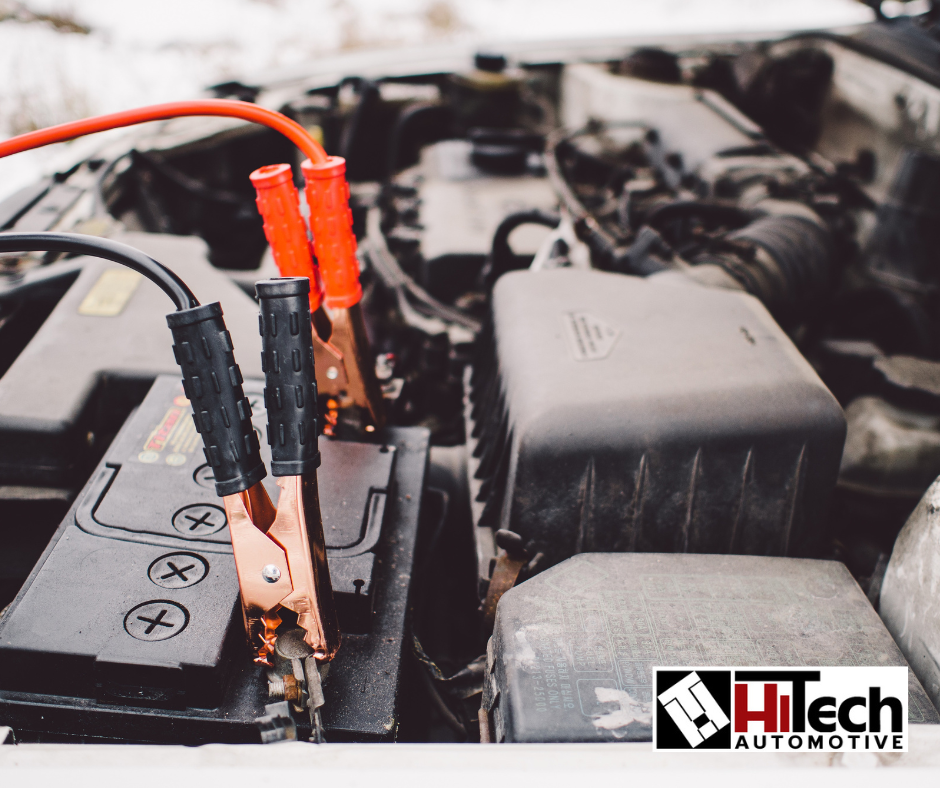
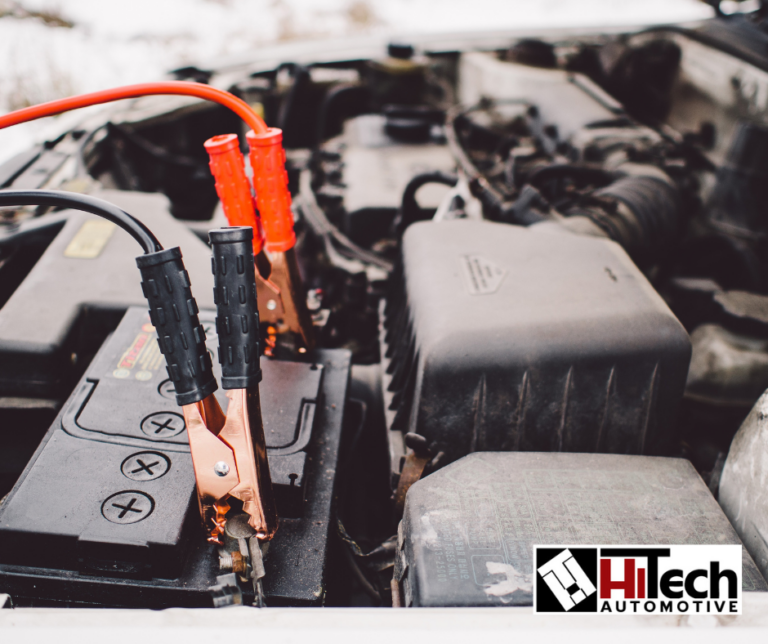
Your vehicle’s battery provides the electrical power needed to start the engine. It also supplies power to electrical accessories when the engine isn’t running.
A healthy battery should provide enough power to start your vehicle consistently. However, batteries don’t last forever. Age, extreme temperatures, corrosion, and repeated short trips can all affect battery performance.
If your engine is slow to start or you hear clicking when you turn the key or press the start button, your battery could be losing its ability to provide sufficient power.
What Does the Alternator Do?
Once your engine is running, the alternator plays a major role in keeping your vehicle’s electrical system powered. It converts mechanical energy from the engine into electrical energy and helps recharge the battery.
If the alternator is failing, the battery may eventually lose its charge because it isn’t being properly recharged while you drive.
This is why a vehicle can sometimes start normally and then develop electrical problems shortly afterward. The battery may still have enough power to start the vehicle, but a charging problem can prevent it from maintaining that charge.
Your Dashboard Battery Light Comes On
One of the most recognizable warning signs of a charging-system problem is the battery warning light on your dashboard.
Despite being called the “battery light,” this warning can indicate a problem with the charging system rather than the battery itself. If the light comes on while you’re driving, the alternator could be failing or another part of the charging system may need attention.
Don’t ignore this warning. Continuing to drive could eventually leave you with a vehicle that loses electrical power and won’t restart.
Your Headlights Are Dimming or Flickering
Electrical components can provide another clue that the alternator is failing.
If your headlights become noticeably dimmer, flicker, or change brightness while you’re driving, there could be an issue with the vehicle’s charging system. Interior lights and dashboard lighting may also appear weaker than usual.
Since your vehicle relies on a consistent electrical supply, changes in lighting should be inspected rather than ignored.
Your Car Is Slow to Start
A slow or sluggish engine start can be caused by a weak battery, but it can also occur when the alternator is failing.
If your battery isn’t receiving enough charge while you drive, it may gradually become weaker. Eventually, you may notice that the engine takes longer to crank when starting the vehicle.
If you’ve recently replaced your battery but are still experiencing starting problems, it’s especially important to have the charging system checked.
Electrical Accessories Aren’t Working Properly
A failing charging system can affect more than just your headlights.
You may notice problems with accessories such as:
- Power windows
- Interior lights
- Radio
- Dashboard electronics
- Heated seats
- Air conditioning controls
- Other electrical features
If multiple electrical systems begin behaving strangely at the same time, it may be a sign that the alternator is failing or that another charging-system issue needs to be diagnosed.
You Hear Unusual Noises
The alternator is driven by a belt and contains moving components. When one of these components begins to wear, it can sometimes produce unusual sounds.
You might hear whining, grinding, or squealing from the engine compartment. While these noises can have several possible causes, they shouldn’t be ignored—especially when they occur alongside electrical problems.
A technician can inspect the alternator, belt, and related components to determine what’s causing the noise.
There Is a Burning Smell
A burning rubber or electrical smell coming from under the hood can also indicate a potential charging-system problem.
An overheated alternator or a slipping belt can create excessive heat and produce an unusual odor. If you notice a burning smell along with dimming lights or other electrical problems, the alternator is failing may be one possible cause.
Because burning odors can also come from oil leaks, belts, brakes, and other components, professional diagnosis is important.
Battery or Alternator: Which One Is the Problem?
Because the battery and alternator work together, it’s not always possible to identify the problem based on symptoms alone.
A battery may simply be reaching the end of its service life. On the other hand, if the alternator is failing, replacing the battery alone may not solve the problem. A faulty alternator can continue to leave a replacement battery undercharged.
A professional charging-system test can help determine whether the battery, alternator, or another electrical component is responsible.
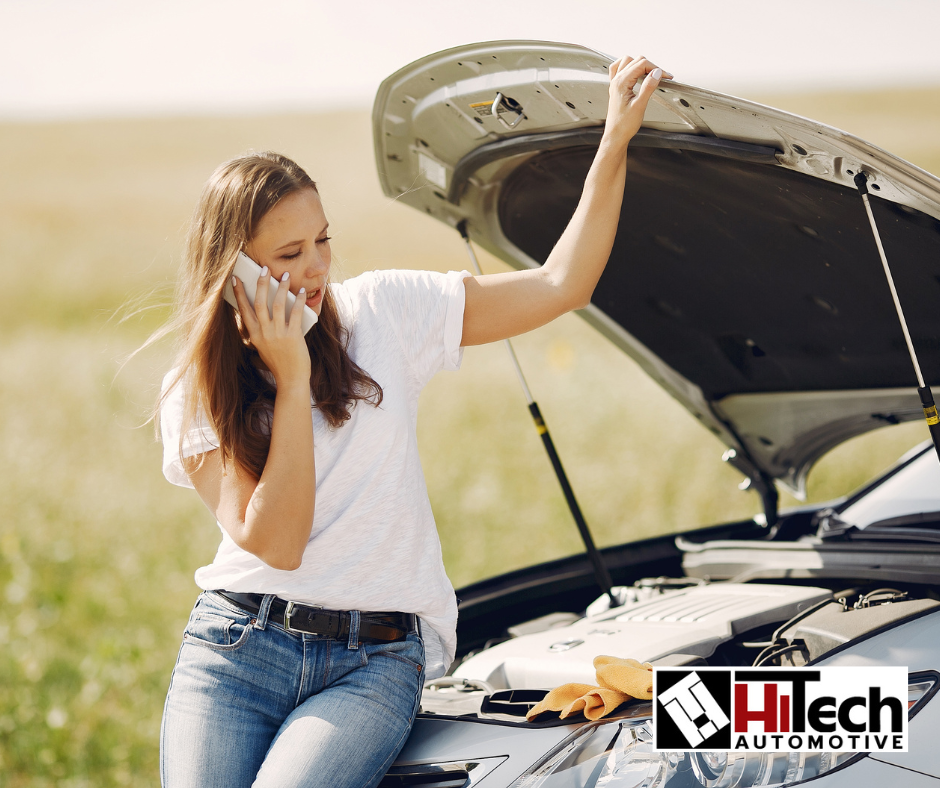
Don’t Wait Until Your Car Won’t Start
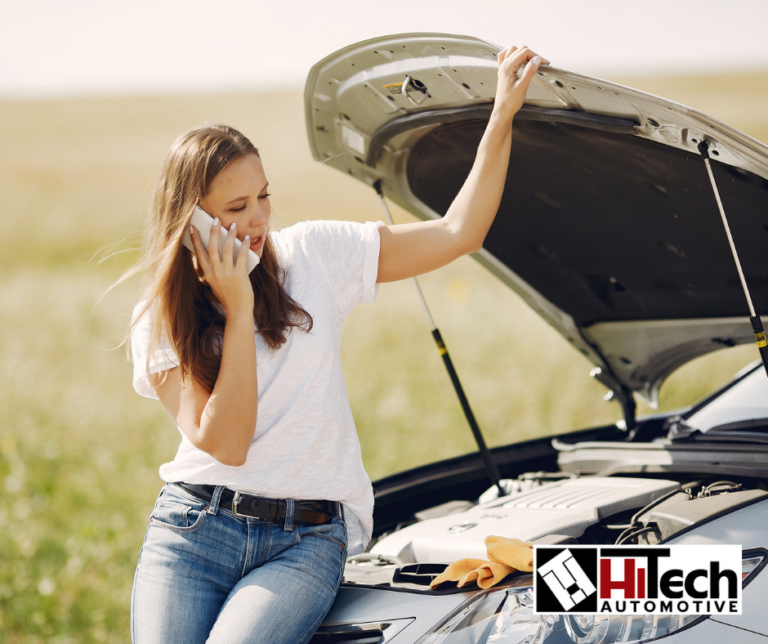
If you’ve noticed dim headlights, slow starting, dashboard warning lights, unusual noises, or electrical accessories behaving differently, don’t wait until you’re stranded to have your vehicle checked.
If you suspect the alternator is failing, getting the charging system inspected early can help identify the problem before the battery becomes completely drained.
HiTech Automotive can inspect your battery and charging system, test the components, and help determine what your vehicle needs to get back on the road.
Knowing the signs that your alternator is failing can save you from an unexpected breakdown and potentially prevent additional electrical problems. When your vehicle starts showing warning signs, getting professional help early is always the better choice.
For additional information about automotive service and repair, the National Institute for Automotive Service Excellence (ASE) provides resources for vehicle owners.