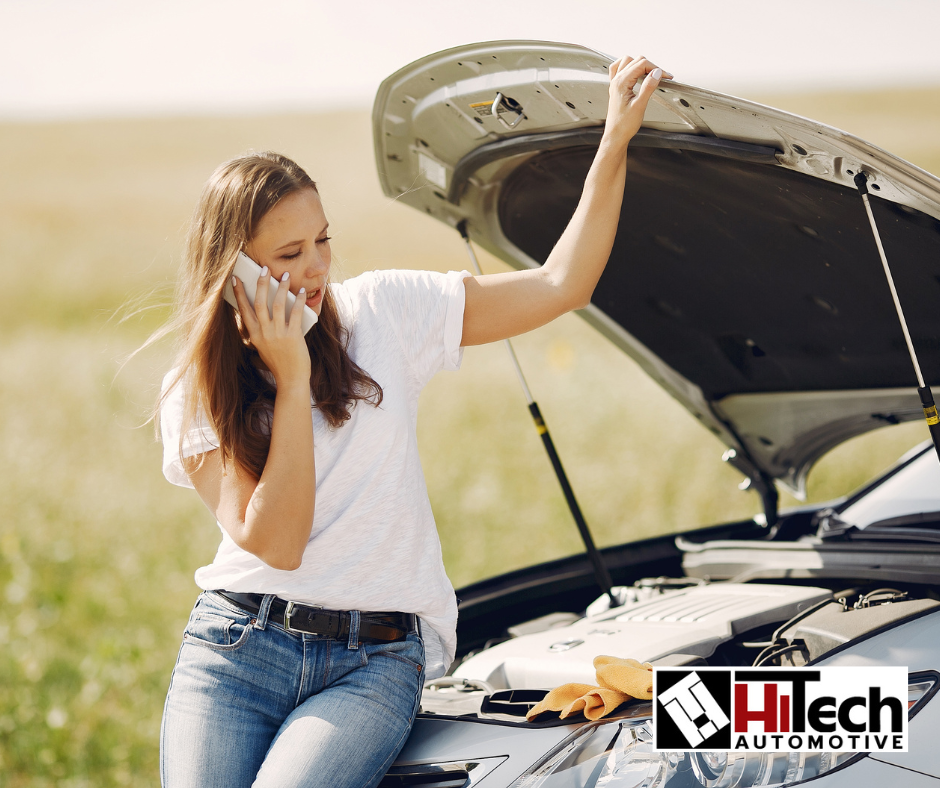

Living in Florida means sunshine, beaches—and extreme heat. While warm weather is great for outdoor activities, Florida heat can be tough on your vehicle. High temperatures put extra stress on almost every system in your car, from your battery to your tires and engine fluids.
Understanding how heat affects your vehicle can help you prevent breakdowns, avoid costly repairs, and keep your car running reliably year-round.
Below are the most important ways Florida’s heat impacts your vehicle and what you can do about it.
1. Battery Strain and Failure
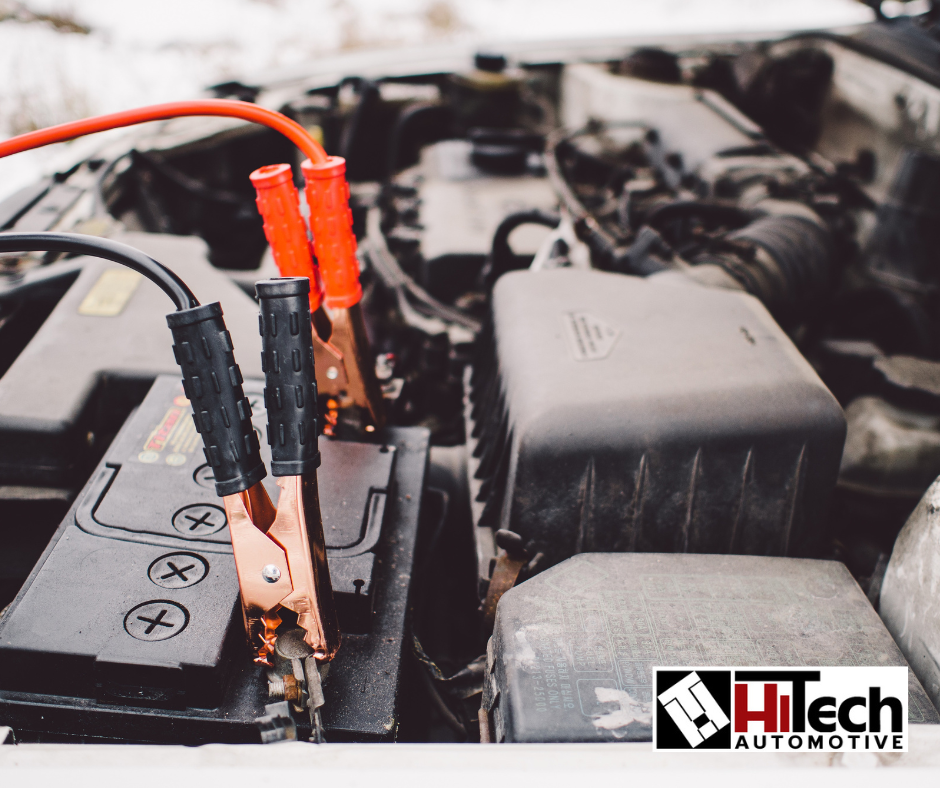
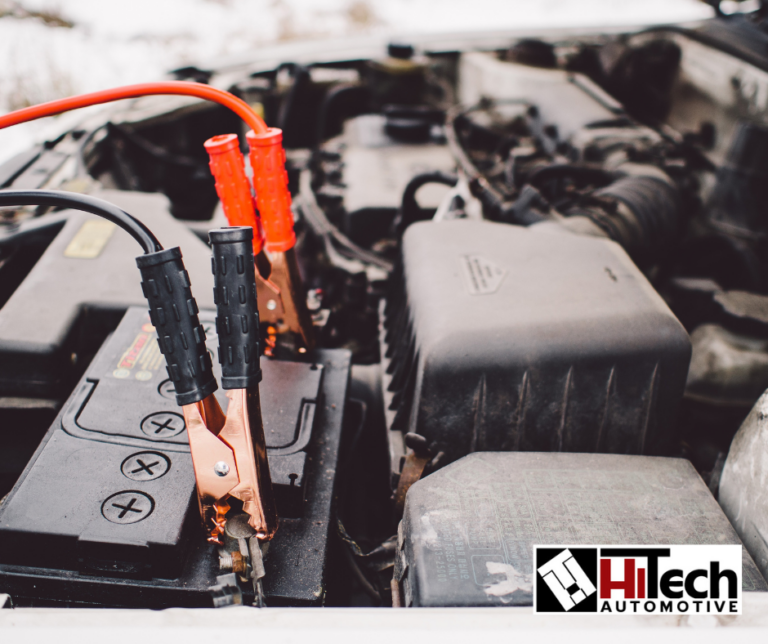
One of the most common issues caused by Florida heat is premature battery failure. While most people associate dead batteries with cold weather, high heat actually speeds up internal chemical reactions inside the battery, causing it to wear out faster.
Heat can lead to:
- Evaporation of battery fluid
- Corrosion of internal components
- Weak or failing charge retention
If your battery is more than 2–3 years old, it’s a good idea to have it tested regularly, especially during summer months.
2. Tire Pressure and Blowouts
Hot pavement and rising temperatures directly affect tire pressure. As the air inside your tires heats up, it expands, which can lead to overinflation and increased risk of blowouts.
Underinflated tires are also dangerous because heat causes them to flex more, generating even more internal temperature.
To stay safe:
- Check tire pressure at least once a month
- Inspect tires for cracks or bulges
- Avoid driving on severely worn tread
Proper tire maintenance becomes even more important in Florida heat.
3. Engine Overheating
Your engine produces a lot of heat on its own, and Florida heat makes it even harder for your cooling system to keep up.
Common causes of overheating include:
- Low coolant levels
- Failing radiator
- Damaged thermostat
- Leaking hoses
If your temperature gauge rises above normal, it’s important to stop driving immediately to prevent serious engine damage.
4. Fluid Breakdown
High temperatures cause engine fluids to break down faster, reducing their effectiveness.
Fluids affected by heat include:
- Engine oil
- Transmission fluid
- Coolant
- Brake fluid
When these fluids thin out or degrade, they cannot properly lubricate or protect engine components. Regular fluid checks are essential in Florida climates.
5. Air Conditioning System Stress
Your A/C system works harder in Florida heat than almost anywhere else. Constant use can put strain on the compressor, refrigerant levels, and blower motor.
Signs your A/C may be struggling include:
- Weak airflow
- Warm air instead of cold
- Strange noises when running
Routine A/C inspections help ensure your system is ready for peak summer temperatures.
👉 For more information on vehicle maintenance and safety, you can visit the National Highway Traffic Safety Administration.
6. Battery and Electronics Overload
Modern vehicles rely heavily on electronics, and heat can damage sensitive components over time. Wiring, sensors, and onboard computers can all be affected by prolonged exposure to high temperatures.
This may result in:
- Warning lights on the dashboard
- Electrical malfunctions
- Intermittent starting issues
Protecting your vehicle from excessive heat exposure, such as parking in shade or a garage, can help reduce these risks.
7. Interior and Exterior Damage
The inside of your car is also affected by Florida heat. Prolonged sun exposure can cause:
- Cracked dashboards
- Faded upholstery
- Warped plastic trim
- Damaged electronics inside the cabin
Exterior paint can also fade or oxidize faster when constantly exposed to direct sunlight.
Using sunshades and protective coatings can help preserve your vehicle’s appearance.
8. Increased Wear on Rubber Components
Heat causes rubber parts in your vehicle to dry out and crack faster. This includes:
- Belts
- Hoses
- Seals
- Wiper blades
Once these components weaken, they can lead to leaks or sudden failures. Regular inspections are important to catch wear early.
How to Protect Your Vehicle in Florida Heat
While you can’t avoid the heat, you can take steps to reduce its impact:
- Park in shaded or covered areas
- Get regular maintenance and inspections
- Check fluids and tire pressure frequently
- Replace worn belts, hoses, and batteries early
- Keep your cooling system in good condition
Preventative maintenance is the best defense against heat-related breakdowns.
Trust HiTech Automotive for Heat-Related Vehicle Care
At HiTech Automotive, we understand how harsh Florida heat can be on your vehicle. Our technicians perform thorough inspections to check your battery, cooling system, tires, fluids, and A/C system to help prevent unexpected issues.
Staying ahead of heat-related wear and tear keeps your vehicle reliable, safe, and ready for Florida’s toughest driving conditions all year long.