Keeping up with car maintenance is one of the smartest ways to extend the life of your vehicle, improve fuel efficiency, and reduce the risk of expensive repairs. While every make and model has its own maintenance schedule, most vehicles follow similar service intervals based on mileage.
Use this general guide to help stay on top of important maintenance tasks and keep your vehicle performing its best for years to come.
Every 5,000–7,500 Miles
These are the most common maintenance items that should be performed regularly.
- Change the engine oil and oil filter (follow your manufacturer’s recommendation)
- Rotate the tires to promote even tread wear
- Check tire pressure and adjust as needed
- Inspect brakes for wear
- Check all fluid levels, including coolant, brake fluid, windshield washer fluid, and power steering fluid (if equipped)
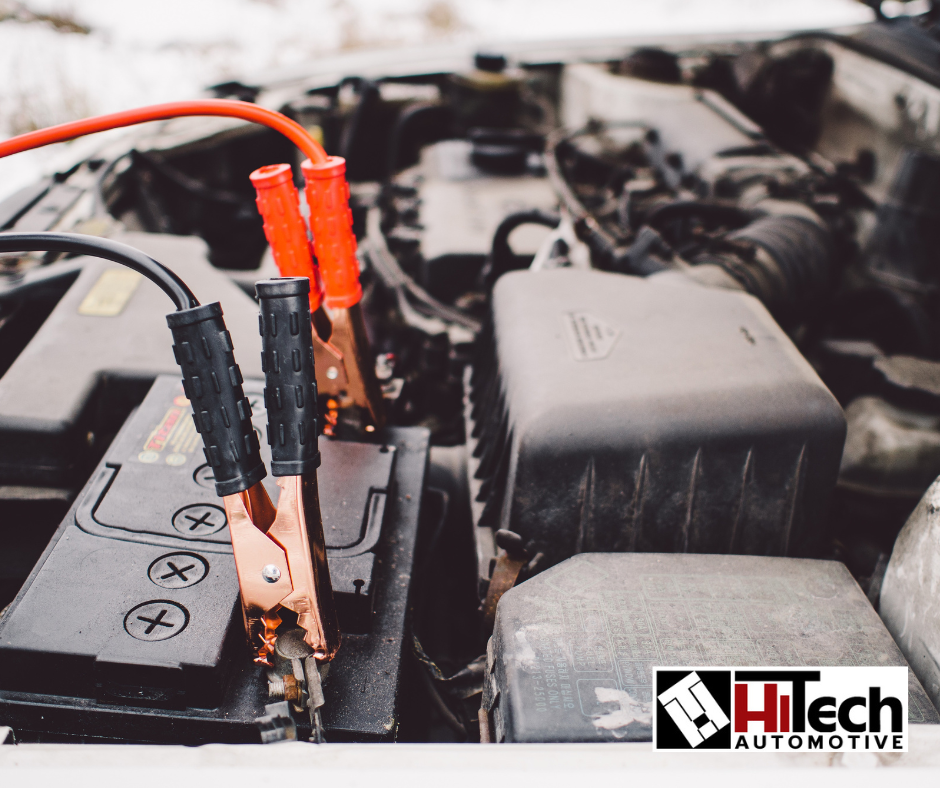
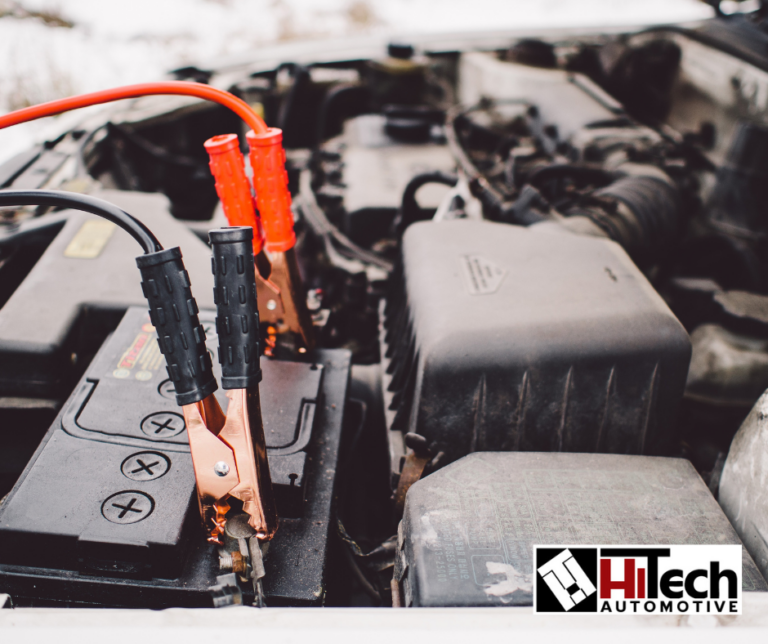
- Inspect lights, windshield wipers, and battery terminals
Regular oil changes are one of the most important parts of car maintenance because clean oil protects your engine from excessive wear and overheating.
Every 15,000 Miles
As your vehicle accumulates more miles, additional inspections become important.
At this interval, it’s a good idea to:
- Replace the engine air filter if needed
- Inspect the cabin air filter
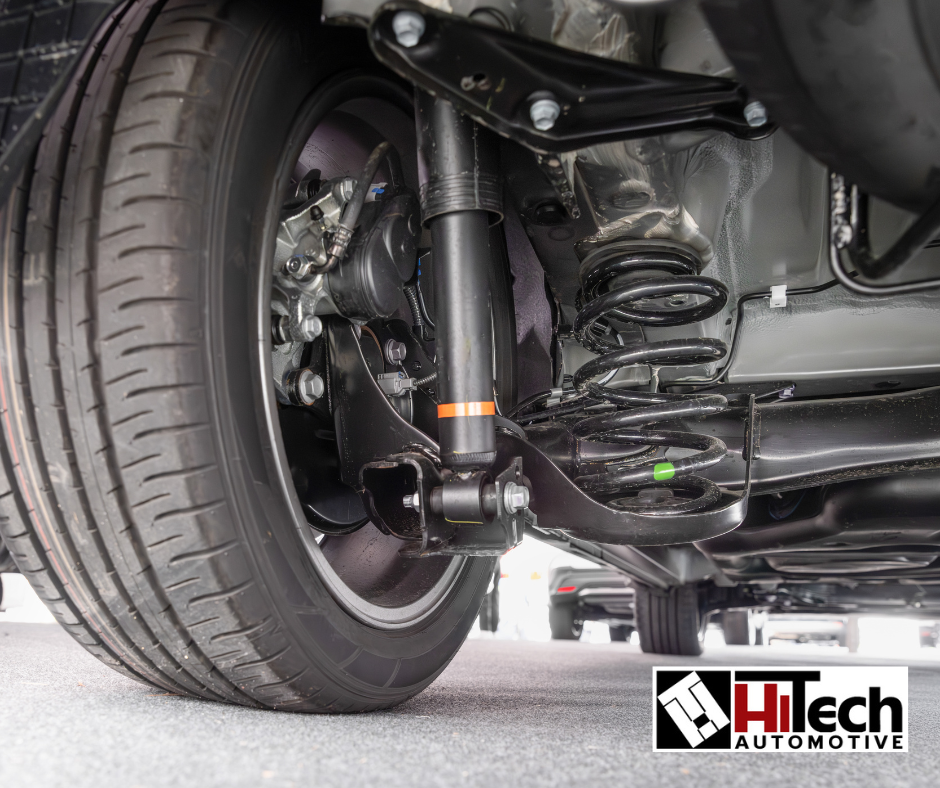
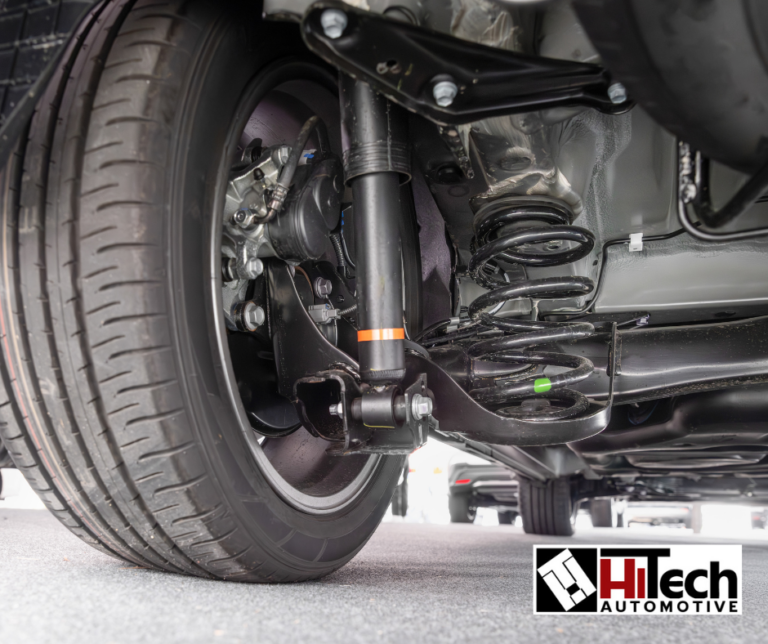
- Check suspension and steering components
- Inspect belts and hoses for cracks or wear
- Examine the exhaust system
- Check wheel alignment if you notice uneven tire wear or pulling
Replacing dirty air filters helps your engine breathe efficiently while also improving cabin air quality.
Every 30,000 Miles
Around 30,000 miles, your vehicle benefits from more comprehensive service.
Maintenance often includes:
- Replace the cabin air filter
- Replace the engine air filter if not already done
- Inspect the battery and charging system
- Check transmission fluid condition
- Inspect cooling system components
- Check brake fluid condition
- Inspect CV joints and axle boots
Many manufacturers also recommend inspecting spark plugs or other ignition components at this stage, depending on the engine.
Every 60,000 Miles
At this point, several major maintenance items may be due depending on your vehicle.
Common services include:
- Replace spark plugs (if applicable)
- Replace transmission fluid if recommended
- Flush or replace coolant
- Replace brake fluid if necessary
- Inspect fuel system components
- Inspect wheel bearings
- Thoroughly inspect suspension components
These services help maintain engine performance while reducing the risk of unexpected breakdowns.
Every 90,000–100,000 Miles
Vehicles reaching 100,000 miles often require additional preventive maintenance.
This may include:
- Replace timing belt (if equipped)
- Replace serpentine belt if worn
- Inspect water pump
- Inspect radiator and cooling system
- Replace differential or transfer case fluids (if applicable)
- Perform a complete vehicle inspection
Not every vehicle uses a timing belt—many newer vehicles use timing chains that typically last much longer. Always consult your owner’s manual for your specific maintenance schedule.
Maintenance Items to Watch Year-Round
Mileage isn’t the only factor that affects your vehicle. Time, weather, and driving habits also play a role.
Be sure to regularly:
- Check tire tread depth
- Test the battery before extreme temperatures
- Keep windshield washer fluid filled
- Listen for unusual noises
- Watch for warning lights
- Address fluid leaks promptly
Ignoring small problems often allows them to become much more expensive repairs later.
Driving Habits Matter
Your driving conditions can significantly affect how often your vehicle needs service.
You may need more frequent car maintenance if you:
- Frequently drive in stop-and-go traffic
- Tow trailers or heavy loads
- Drive in extreme heat
- Make frequent short trips
- Travel on dusty or unpaved roads
These conditions place additional stress on your engine, transmission, brakes, and suspension.
Trust the Professionals
While checking fluids or tire pressure can be done at home, many maintenance services require specialized tools and trained technicians. Staying ahead of your maintenance schedule allows technicians to identify small issues before they become major repairs.
At HiTech Automotive, our experienced team helps drivers stay on schedule with personalized maintenance recommendations based on their vehicle, mileage, and driving habits. Whether you need an oil change, brake inspection, fluid service, or a complete maintenance inspection, we’re here to help keep your vehicle reliable.
For additional manufacturer maintenance recommendations, visit the National Highway Traffic Safety Administration (NHTSA).
Keeping up with regular car maintenance is an investment that pays off with better performance, improved safety, and fewer unexpected repairs. Following a mileage-based maintenance schedule helps ensure your vehicle stays dependable no matter where the road takes you.