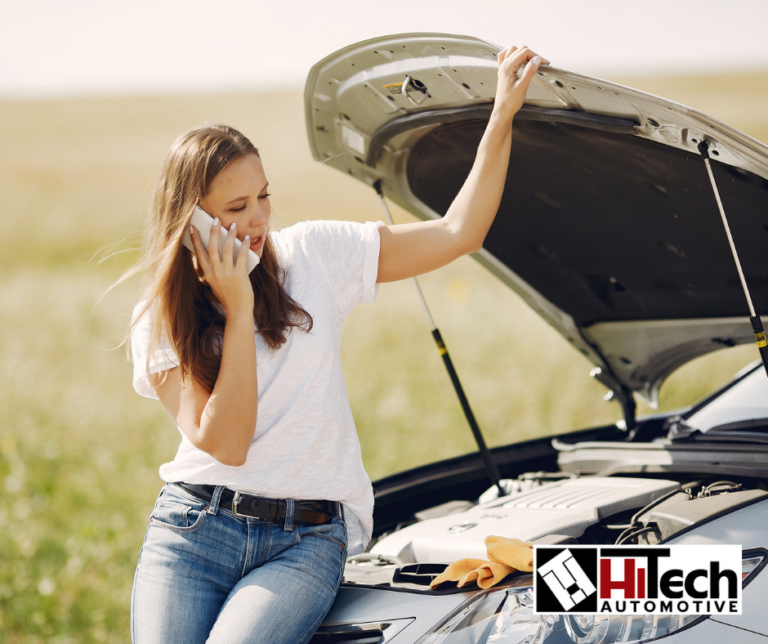
Few automotive problems are as frustrating as turning the key or pressing the start button only to discover your car won’t start. Whether you’re heading to work, running errands, or preparing for a road trip, a vehicle that refuses to start can quickly disrupt your plans. Fortunately, most starting issues can be traced to a handful of common causes. Understanding what may be preventing your vehicle from starting can help you know when it’s time to call for professional assistance.
At HiTech Automotive, we regularly diagnose and repair starting problems for drivers throughout the area. Here are some of the most common reasons your car won’t start and what you should know about each one.
Dead or Weak Battery
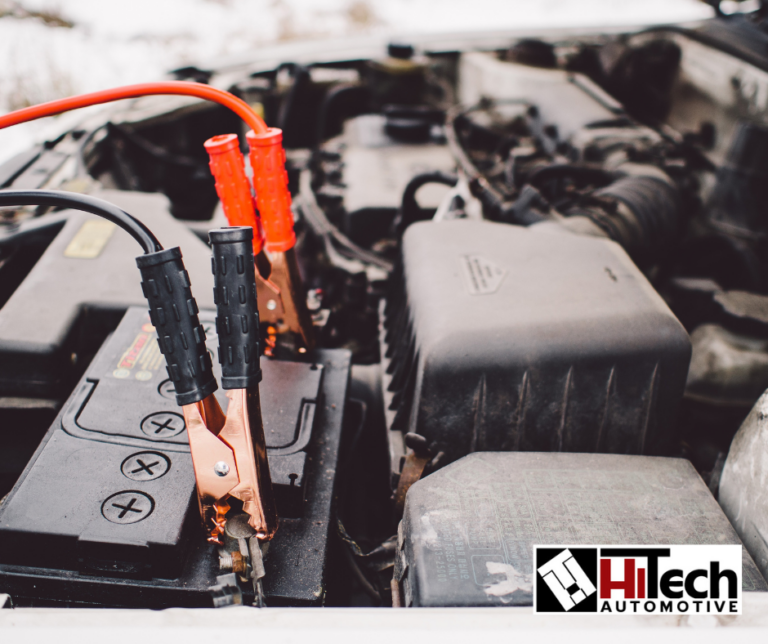
The most common reason a car won’t start is a dead or weak battery. Your battery provides the electrical power necessary to start the engine and operate various vehicle systems.
Signs of a failing battery may include:
- Slow engine cranking
- Clicking sounds when turning the key
- Dim headlights
- Dashboard warning lights
- Electrical accessories not functioning properly
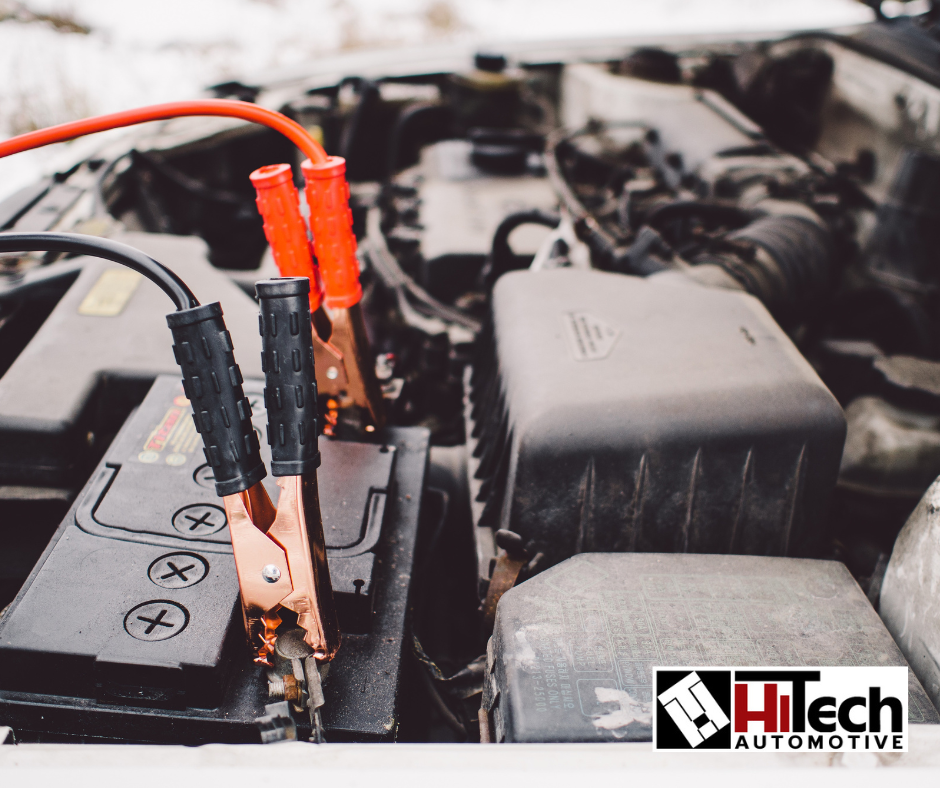
Vehicle batteries typically last between three and five years. Extreme temperatures, frequent short trips, and aging can all reduce battery life. If your battery is weak, a jump-start may get you moving temporarily, but replacement may ultimately be necessary.
Faulty Starter Motor
The starter motor is responsible for turning the engine over when you start your vehicle. If the starter fails, the engine may not crank at all.
Common symptoms of starter problems include:
- A single clicking sound
- Grinding noises
- No response when turning the key
- Intermittent starting issues
Because starter motors contain electrical and mechanical components, wear and tear can eventually lead to failure. Professional testing can determine whether the starter is the source of the problem.
Bad Alternator
Many drivers assume the battery is always to blame when a car won’t start, but the alternator may actually be the culprit.
The alternator recharges the battery while the engine is running. If it fails, the battery gradually loses power until it can no longer start the vehicle.
Signs of alternator trouble may include:
- Battery warning light
- Flickering headlights
- Electrical issues
- Frequent dead batteries
Replacing a battery without addressing a failing alternator often results in recurring starting problems.
Fuel System Issues
An engine requires fuel, air, and spark to start properly. If fuel isn’t reaching the engine, your vehicle may crank but fail to start.
Potential fuel-related problems include:
- Empty fuel tank
- Failed fuel pump
- Clogged fuel filter
- Faulty fuel injectors
A failing fuel pump often produces symptoms before complete failure, such as sputtering, hesitation, or difficulty starting.
Ignition Switch Problems
The ignition switch plays a critical role in delivering power to the vehicle’s electrical systems and starter.
When the ignition switch begins to fail, drivers may experience:
- No response when turning the key
- Dashboard lights not illuminating
- Stalling while driving
- Intermittent starting issues
Because ignition switch failures can mimic other electrical problems, professional diagnosis is often necessary.
Faulty Spark Plugs
Spark plugs ignite the air-fuel mixture inside the engine’s cylinders. If spark plugs become worn or damaged, engine performance can suffer.
Signs of failing spark plugs include:
- Hard starting
- Rough idling
- Engine misfires
- Reduced fuel economy
While worn spark plugs may not always prevent the engine from starting entirely, severe deterioration can make starting difficult or impossible.
Corroded Battery Connections
Sometimes the battery itself isn’t the problem. Corrosion on battery terminals can interrupt electrical flow and prevent the starter from receiving sufficient power.
Battery corrosion often appears as:
- White, blue, or green residue
- Loose battery cables
- Intermittent electrical issues
Cleaning battery terminals and securing connections may resolve the issue if corrosion is the primary cause.
Security System or Key Issues
Modern vehicles often include anti-theft systems designed to prevent unauthorized starting.
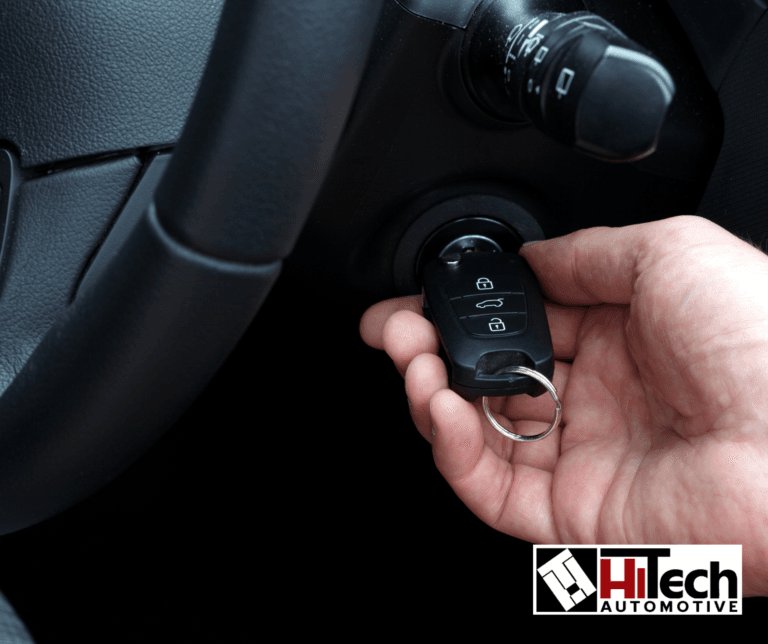
If the security system fails to recognize your key or key fob, the engine may not start.
Possible causes include:
- Dead key fob battery
- Damaged transponder chip
- Faulty immobilizer system
- Programming issues
If warning lights related to the security system appear on your dashboard, professional diagnostics may be required.
Engine Timing Problems
The timing belt or timing chain ensures that engine components move in proper synchronization.
If the timing system becomes damaged or fails completely, the engine may be unable to start.
Warning signs of timing issues can include:
- Engine misfires
- Ticking noises
- Rough running
- Sudden engine shutdown
Because timing system failures can lead to significant engine damage, prompt inspection is critical.
What Should You Do If Your Car Won’t Start?
If your vehicle fails to start, begin with a few basic checks:
- Verify the battery connections are secure.
- Confirm there is fuel in the tank.
- Observe dashboard warning lights.
- Listen for clicking, grinding, or cranking sounds.
- Check whether electrical accessories are functioning.
These observations can help technicians quickly identify the source of the problem.
However, repeatedly attempting to start a vehicle with a serious mechanical or electrical issue can sometimes worsen the damage.
Why Professional Diagnosis Matters
Many different systems work together to start your vehicle. As a result, diagnosing the exact reason a car won’t start can be challenging without specialized equipment.
At HiTech Automotive, our technicians use advanced diagnostic tools to evaluate batteries, starters, alternators, ignition systems, fuel delivery components, and other critical systems. This allows us to accurately identify the problem and recommend the appropriate repair.
For additional vehicle maintenance and safety information, visit the National Highway Safety Traffic Administration.
Trust HiTech Automotive to Get You Back on the Road
When your car won’t start, quick and accurate diagnosis is essential. Whether the issue involves a dead battery, faulty starter, alternator failure, fuel system problem, or ignition issue, the experienced team at HiTech Automotive is ready to help.
Don’t let a starting problem leave you stranded. Schedule a diagnostic inspection by clicking here with HiTech Automotive and let our skilled technicians get your vehicle running reliably again.