If you’ve ever taken your car in for routine maintenance, you’ve probably heard your technician mention a vehicle inspection. While it may seem like a quick checklist, a multi-point inspection is one of the most valuable services you can receive. It helps identify small problems before they become expensive repairs and gives you peace of mind every time you get behind the wheel.
Whether you’re coming in for an oil change, tire rotation, or another maintenance service, understanding what happens during a multi-point inspection can help you appreciate the importance of keeping your vehicle in top condition.
What Is a Multi-Point Vehicle Inspection?
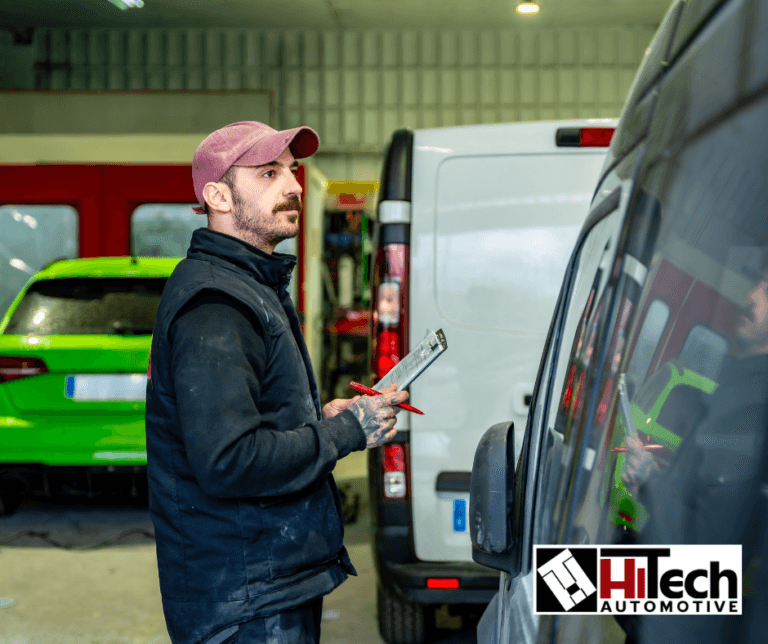
A multi-point vehicle inspection is a comprehensive evaluation of your vehicle’s major systems and components. During the inspection, a certified technician carefully checks areas that affect your vehicle’s safety, reliability, and performance.
Unlike a state safety inspection, which focuses on meeting legal requirements, a multi-point inspection is designed to identify wear and potential issues before they lead to breakdowns or costly repairs.
Many repair shops perform a vehicle inspection as part of routine maintenance appointments because it provides a complete picture of your vehicle’s overall health.
What Does a Vehicle Inspection Include?
While every repair shop may have a slightly different checklist, most multi-point inspections cover the following areas:
Tires
Your tires are one of the most important safety components on your vehicle. During the inspection, technicians check:
- Tire tread depth
- Tire pressure
- Uneven tire wear
- Signs of damage or punctures
- Overall tire condition
Uneven tire wear may indicate alignment or suspension issues that should be addressed before they cause additional damage.
Brakes
Brake performance is critical for safe driving. During the inspection, technicians typically examine:
- Brake pads
- Brake rotors
- Brake fluid level
- Brake lines
- Overall braking performance
Catching worn brake components early can prevent more expensive repairs and improve stopping power.
Fluids
Modern vehicles rely on several essential fluids to operate properly. A technician will inspect the condition and level of:
- Engine oil
- Coolant
- Brake fluid
- Power steering fluid (if equipped)
- Transmission fluid (when applicable)
- Windshield washer fluid
Low or contaminated fluids can lead to poor performance and premature component failure.
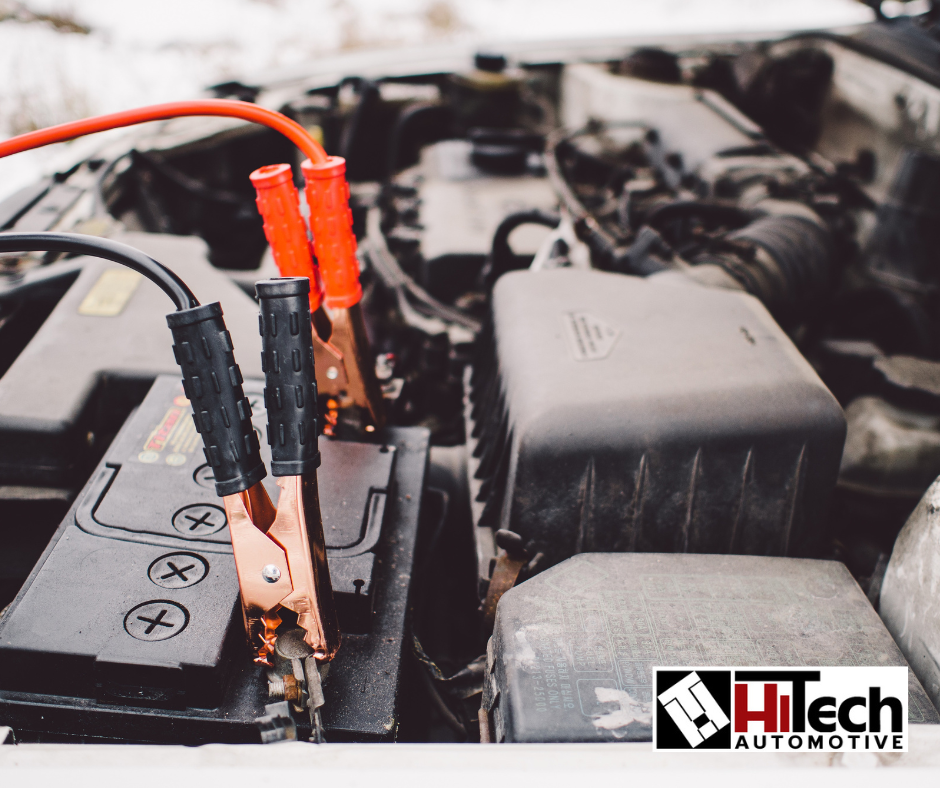
Battery and Charging System
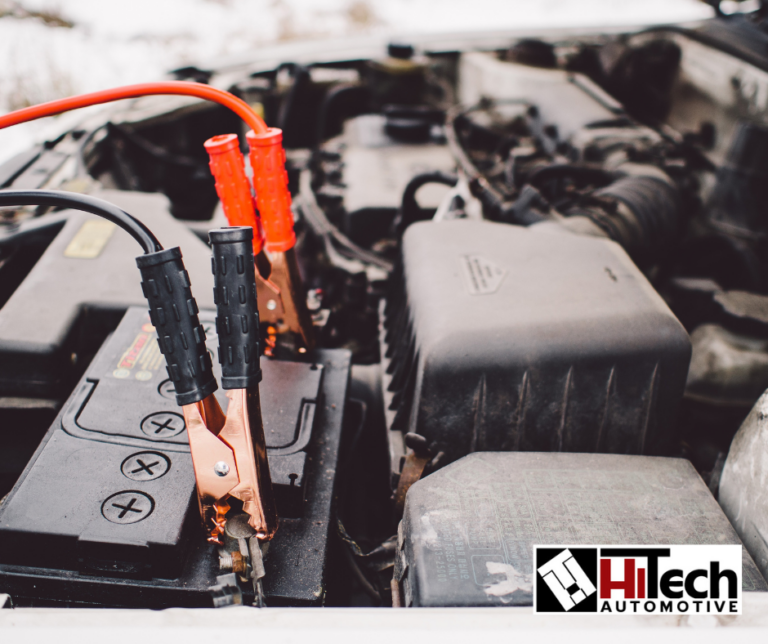
Your battery may seem fine until the day it suddenly won’t start your car. During a vehicle inspection, technicians look for:
- Battery voltage
- Corrosion on battery terminals
- Secure battery connections
- Charging system performance
Testing the battery before it fails can help prevent unexpected breakdowns.
Belts and Hoses
Rubber belts and hoses naturally wear out over time due to heat and age.
Technicians inspect for:
- Cracks
- Fraying
- Leaks
- Soft or brittle hoses
- Loose connections
Replacing these components before they fail can prevent serious engine damage.
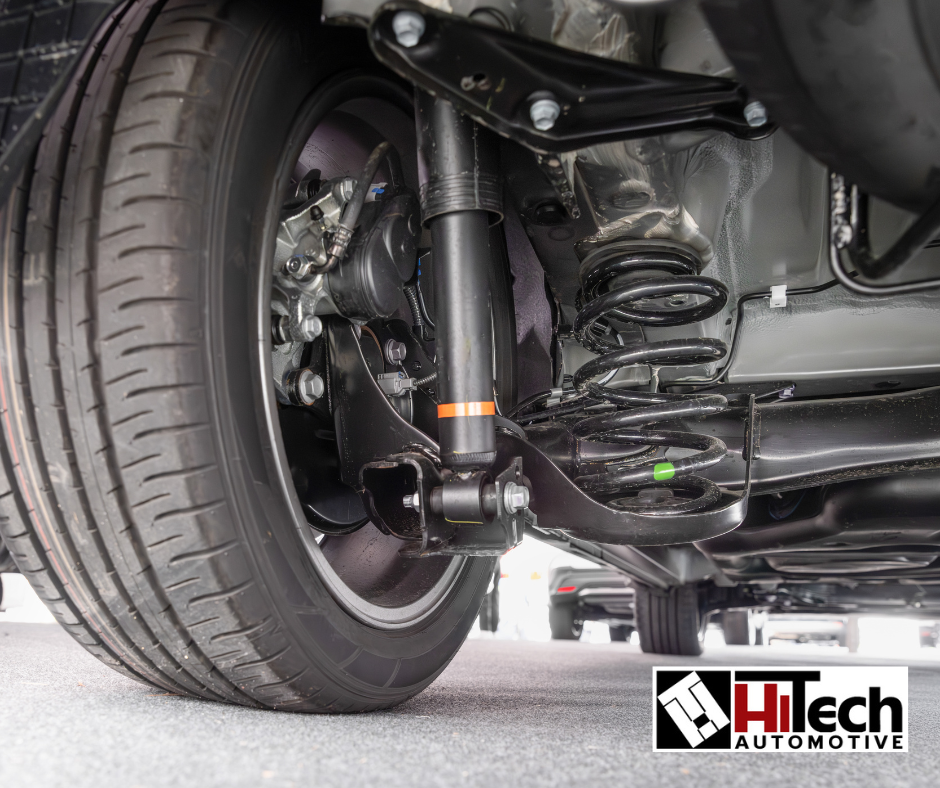
Steering and Suspension
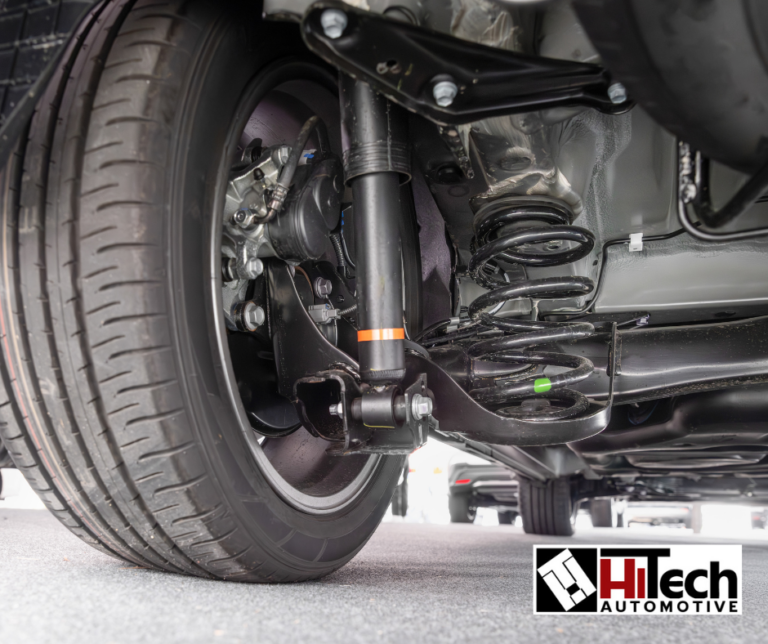
The steering and suspension systems help provide a smooth ride and maintain vehicle control.
A technician checks:
- Shocks and struts
- Ball joints
- Tie rods
- Suspension components
- Steering components
Worn suspension parts can affect handling, tire wear, and overall safety.
Lights and Electrical Components
A multi-point inspection also ensures that important electrical systems are functioning properly.
This includes checking:
- Headlights
- Brake lights
- Turn signals
- Interior lights
- Wipers and washer system
- Horn
Replacing a burned-out bulb early helps keep you visible and avoids unnecessary traffic stops.
Air Filters
Technicians inspect both the engine air filter and cabin air filter.
A dirty engine air filter can reduce fuel efficiency and engine performance, while a clogged cabin air filter can restrict airflow inside the vehicle and reduce air quality.
Under the Hood
During the vehicle inspection, technicians also examine:
- Visible fluid leaks
- Engine components
- Cooling system
- Drive belts
- General engine condition
Even a small leak can become a major repair if left unchecked.
Why Are Multi-Point Inspections Important?
Many vehicle problems develop gradually. A worn brake pad, leaking hose, or weak battery often shows warning signs long before complete failure.
Regular vehicle inspections help technicians catch these issues early, allowing you to schedule repairs before you’re stranded on the side of the road.
Benefits include:
- Improved vehicle safety
- Reduced risk of unexpected breakdowns
- Longer vehicle lifespan
- Better fuel efficiency
- Lower long-term repair costs
- Greater confidence while driving
Preventive maintenance almost always costs less than emergency repairs.
How Often Should You Get a Vehicle Inspection?
A good rule of thumb is to have a vehicle inspection performed every time you visit for routine maintenance, such as an oil change or tire rotation.
You should also schedule an inspection if you notice:
- Unusual noises
- Vibrations
- Warning lights
- Fluid leaks
- Uneven tire wear
- Reduced braking performance
If you’re planning a long road trip, having your vehicle inspected beforehand can help ensure everything is ready for the journey.
Should You Skip a Recommended Repair?
After a multi-point inspection, your technician may recommend repairs based on what they find.
Not every recommendation requires immediate attention, but it’s important to understand which items affect safety and which can be monitored over time. Ask your technician to explain the severity of each issue and prioritize repairs accordingly.
Addressing problems early often prevents additional damage and saves money in the long run.
Trust HiTech Automotive for Your Next Vehicle Inspection
A professional vehicle inspection is one of the simplest ways to protect your investment and keep your vehicle operating safely. At HiTech Automotive, our experienced technicians perform thorough multi-point inspections to help identify potential problems before they become costly repairs.
For more information on staying safe behind the wheel and maintaining your vehicle, visit the National Highway Traffic Safety Administration’s vehicle safety page.
Whether you’re visiting for routine maintenance or preparing for a road trip, we’ll provide an honest assessment of your vehicle’s condition and recommend only the services you truly need. Schedule your next vehicle inspection with HiTech Automotive and drive with confidence knowing your vehicle has been carefully checked from top to bottom.