When it comes to vehicle safety, few systems are as critical as your brakes. Brake problems can appear subtly, and many drivers often ignore the early warning signs. However, even minor issues with your braking system can quickly escalate into dangerous situations if not addressed promptly. Understanding the common causes of brake issues, recognizing warning signs, and scheduling timely maintenance can save you money and, more importantly, protect your life and the lives of others on the road.
Brakes are responsible for controlling your vehicle’s speed and stopping it safely. A malfunctioning brake system not only affects your ability to slow down or stop but also compromises overall vehicle stability. If you notice unusual sounds, vibrations, or changes in braking performance, it’s crucial to investigate these symptoms immediately. Early intervention is key to preventing small issues from becoming costly repairs or hazardous situations.
Recognizing Early Signs of Brake Problems
Early detection of brake problems is essential for maintaining vehicle safety. Here are some common warning signs to look out for:
-
Unusual Noises: Squealing, grinding, or scraping sounds when you apply the brakes are clear indicators of worn brake pads or components. While squealing may be a warning that your pads are nearing the end of their life, grinding often indicates metal-to-metal contact, which can damage your rotors and significantly increase repair costs.
-
Spongy or Soft Brake Pedal: A brake pedal that feels soft, spongy, or sinks to the floor could indicate air trapped in the brake lines, low brake fluid, or a failing master cylinder. All of these issues reduce braking efficiency and require professional inspection immediately.
-
Vibrations or Pulsations: Feeling vibrations in the steering wheel or pulsations in the brake pedal during braking often points to warped rotors. Warped rotors affect how evenly your brakes engage, leading to longer stopping distances and an uncomfortable driving experience.
-
Pulling to One Side: If your vehicle pulls to the left or right while braking, it could be a sign of uneven brake pad wear, a stuck caliper, or issues with your suspension. Driving under these conditions is risky, especially at higher speeds or in wet conditions.
-
Dashboard Warning Lights: Modern vehicles are equipped with brake system warning lights and ABS indicators. Illumination of these lights is a direct signal that your braking system needs immediate attention. Ignoring them can result in severe brake failure.
Common Causes of Brake Problems
Understanding what causes brake problems can help you prevent them from occurring in the first place. Some of the most common causes include:
-
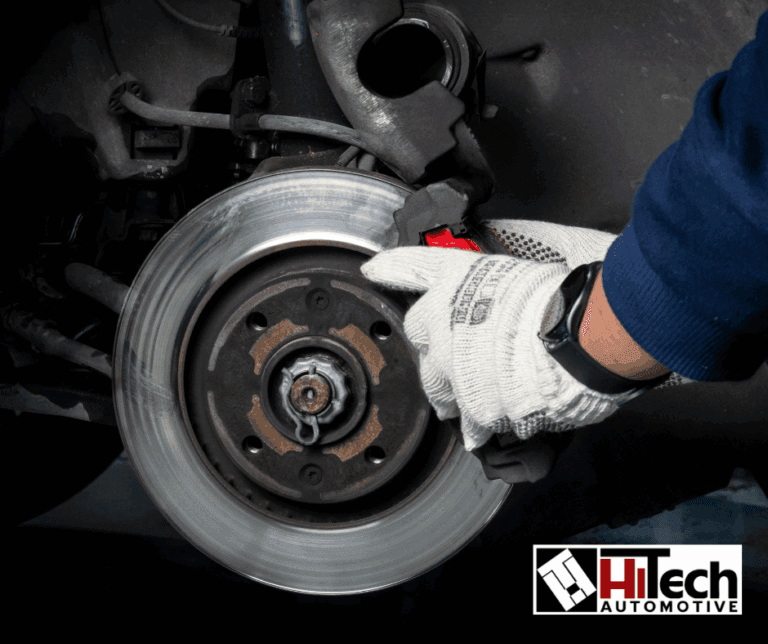
Worn Brake Pads: Brake pads naturally wear down over time. Continuing to drive with worn pads can damage rotors, calipers, and other components, ultimately leading to expensive repairs.
-
Brake Fluid Leaks: Leaks in the brake lines or master cylinder reduce hydraulic pressure, compromising braking power. Low brake fluid levels also increase the risk of air entering the system, leading to a spongy brake pedal.
-
Overheating: Excessive braking generates heat that can cause brake fade. This condition reduces braking efficiency and can occur during prolonged downhill driving, towing, or stop-and-go traffic in hot weather.
-
Corroded or Damaged Components: Rust and corrosion can impair the function of brake lines, rotors, and other critical components. Damage from road debris or accidents can also lead to uneven braking or system failure.
-
Contaminated Brake Fluid: Brake fluid absorbs moisture over time, which can reduce its boiling point and lead to decreased braking performance under heavy use. Flushing brake fluid at recommended intervals is vital for safe braking.
For more detailed information on common brake issues and how to address them, click here.
Importance of Timely Brake Maintenance
Regular brake inspections and maintenance are crucial to ensuring your vehicle operates safely. Neglecting brake problems can have serious consequences:
-
Increased Repair Costs: Small problems, like worn brake pads, are inexpensive to fix. If ignored, these issues can damage other components, leading to much higher repair bills.
-
Safety Hazards: Compromised braking performance directly increases the risk of collisions. Prompt attention to warning signs reduces your chances of accidents and injuries.
-
Legal Implications: Driving with faulty brakes may violate local traffic laws and safety regulations, potentially resulting in fines or legal liability in case of an accident.
Regular inspections allow mechanics to identify potential problems early, ensuring your brakes are functioning correctly. Many auto experts recommend brake inspections at least once a year or every 12,000 miles, but this can vary depending on driving habits and conditions.
What to Do If You Suspect Brake Problems
If you notice any signs of brake problems, taking immediate action is essential. Follow these steps:
-
Schedule a Professional Inspection: Contact a certified mechanic to diagnose your braking system. Only trained professionals can accurately determine the root cause of brake issues.
-
Avoid Delaying Repairs: Ignoring warning signs can lead to a complete brake system failure, endangering you and others on the road. Even minor problems should be addressed promptly.
-
Follow Maintenance Recommendations: Adhere to your vehicle manufacturer’s recommended maintenance schedule for brake fluid changes, pad replacements, and rotor inspections. Regular maintenance is the best way to prevent brake problems before they start.
-
Drive Cautiously: If you must drive before repairs, maintain extra stopping distance, avoid high speeds, and minimize sudden braking to reduce strain on compromised brakes.
Final Thoughts
Your vehicle’s braking system is one of the most critical safety components. Recognizing the signs of brake problems and addressing them promptly is not just a matter of vehicle performance—it’s a matter of personal and public safety. From unusual noises and spongy pedals to dashboard warning lights and vehicle pulling, these early indicators should never be ignored.
By staying vigilant and prioritizing timely brake maintenance, you can avoid costly repairs, prevent accidents, and ensure your vehicle remains reliable in all driving conditions. Don’t wait until brake problems become dangerous—schedule inspections at HiTech Automotive by clicking here, maintain your system regularly, and keep your brakes in top condition for a safer driving experience.