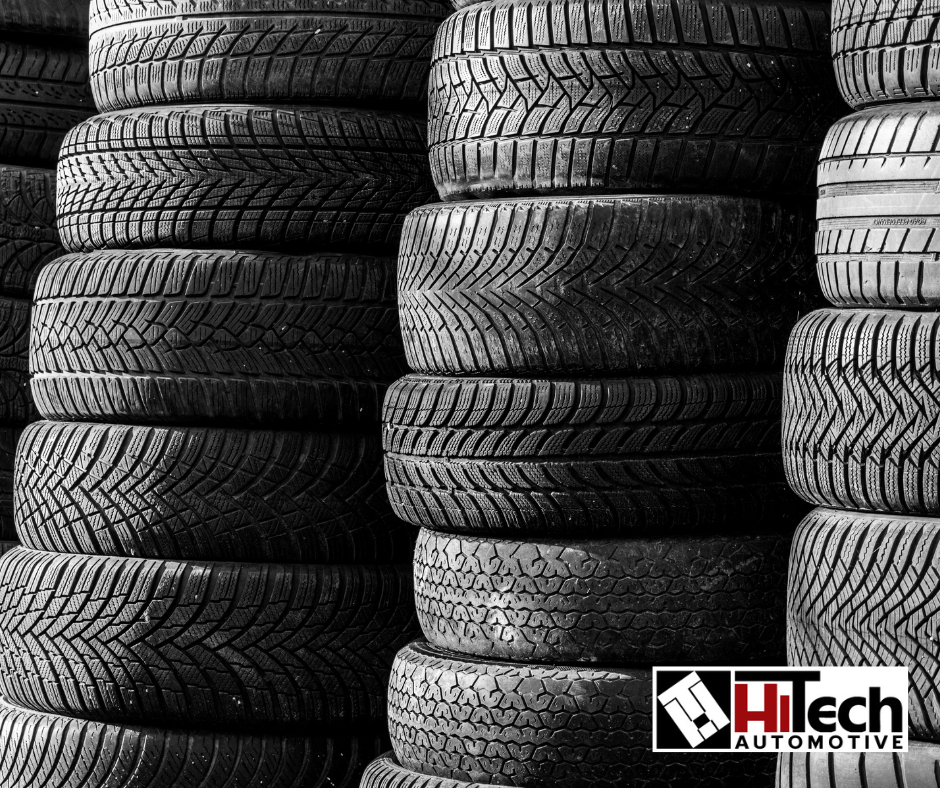
Your tires play an important role in your vehicle’s safety, handling, and overall performance. However, if you’ve noticed that one tire is wearing down faster than the others or certain areas of the tread look more worn, you may be experiencing uneven tire wear. This problem can develop for several reasons, including improper wheel alignment, incorrect tire pressure, worn suspension components, and driving habits. Identifying the causes of uneven tire wear early can help extend the life of your tires and prevent additional vehicle problems.
At HiTech Automotive, we help drivers identify tire and suspension issues that can affect their vehicles. Understanding what causes uneven tire wear can help you recognize warning signs and know when it’s time to have your vehicle inspected.
1. Improper Wheel Alignment
One of the most common causes of uneven tire wear is improper wheel alignment. Your vehicle’s wheels are designed to sit at specific angles to ensure the tires make proper contact with the road.
When your alignment is off, your tires may drag or make uneven contact with the pavement as you drive. This can cause certain sections of the tread to wear down faster than others.
Common signs of alignment problems include:
- Your vehicle pulling to one side.
- Your steering wheel sitting crooked when driving straight.
- Uneven tread wear across one or more tires.
- Your steering feeling less responsive than usual.
Hitting potholes, curbs, or road debris can knock your wheels out of alignment. Having your alignment checked regularly can help prevent unnecessary tire wear and improve handling.
2. Incorrect Tire Pressure
Maintaining the correct tire pressure is important for getting the most life out of your tires. Both overinflated and underinflated tires can contribute to uneven tire wear.
When a tire is underinflated, more pressure is placed on the outer edges of the tread. This can cause the shoulders of the tire to wear faster than the center.
On the other hand, overinflated tires tend to make more contact with the road in the center of the tread, potentially causing the middle section to wear down faster.
Check your tire pressure regularly and follow the recommended PSI listed on the sticker inside your driver’s door. Don’t rely solely on the maximum pressure printed on the tire itself, as that is not necessarily the recommended operating pressure for your vehicle.
3. Worn Suspension Components
Your suspension system helps keep your tires in contact with the road while providing a smoother and more controlled ride. When suspension components begin to wear out, they can affect how your tires sit and move while driving.
Worn shocks, struts, ball joints, bushings, and other suspension components can contribute to irregular tire wear.
For example, worn shocks or struts may allow your tires to bounce excessively over uneven surfaces. This can create a scalloped or cupped wear pattern across the tread.
If you notice uneven tire wear along with excessive bouncing, clunking noises, or a rough ride, it’s a good idea to have your suspension system inspected.
4. Skipping Regular Tire Rotations
Your vehicle’s tires don’t always wear at the same rate. Depending on whether your vehicle is front-wheel drive, rear-wheel drive, or all-wheel drive, certain tires may experience more stress than others.
For example, front tires on many front-wheel-drive vehicles handle steering, braking, and much of the acceleration. This can cause them to wear faster than the rear tires.
Regular tire rotations help distribute wear more evenly across all four tires. Many vehicles benefit from tire rotations approximately every 5,000 to 7,500 miles, but the correct interval and rotation pattern depend on the manufacturer’s recommendations and tire design.
Keeping up with tire rotations can help reduce uneven tire wear, extend tire life, and maintain more consistent handling.
5. Driving Habits and Road Conditions
The way you drive can have a noticeable impact on how quickly your tires wear down. Frequent hard braking, aggressive acceleration, sharp turns, and taking corners at high speeds can put additional stress on your tires.
Road conditions also play a role. Potholes, rough pavement, construction zones, and hitting curbs can damage tires or affect wheel alignment.
In Florida, drivers regularly encounter heavy traffic, uneven road surfaces, and sudden stops. These conditions can contribute to increased tire wear over time.
Practicing smoother driving habits, avoiding potholes when possible, and maintaining proper tire pressure can help reduce unnecessary wear and prevent uneven tire wear from developing.
6. Unbalanced Wheels
Wheel balancing helps distribute the weight of your tire and wheel assembly evenly as it rotates. When a wheel is out of balance, it can create vibrations that become more noticeable at certain speeds.
Although an imbalance doesn’t usually cause the same wear patterns as an alignment or pressure problem, it can contribute to vibration and irregular tire wear in some situations.
You may notice your steering wheel shaking, vibrations throughout the vehicle, or an uncomfortable ride at highway speeds.
Having your wheels balanced when needed can improve ride quality and help identify other potential tire or wheel problems.
How Can You Tell If Your Tires Are Wearing Unevenly?
Checking your tires periodically can help you catch problems before they become serious. Look closely at the tread across the entire width of each tire rather than only checking the center.
Some common patterns to watch for include:
- Inside or outside edge wear: May indicate alignment problems or suspension issues.
- Center tread wear: Can be associated with consistently overinflated tires.
- Both outer edges wearing down: May indicate underinflation.
- Cupping or scalloped patterns: Can be associated with worn suspension components or wheel balance problems.
If you notice uneven tire wear, having your tires and vehicle inspected can help determine what is causing the problem before additional damage occurs.
For additional information about tire safety, maintenance, and proper tire inflation, visit the National Highway Traffic Safety Administration (NHTSA).
Keep Your Tires in Good Condition With HiTech Automotive
Uneven tire wear isn’t something you should ignore. What starts as a small difference in tread wear can eventually lead to reduced traction, poor handling, and the need for premature tire replacement.
At HiTech Automotive, we offer professional automotive services to help keep your vehicle safe and dependable. From wheel alignments and tire services to suspension inspections and general maintenance, our team can help identify the issues affecting your tires.
If you’ve noticed uneven tire wear, unusual vibrations, or your vehicle pulling to one side, schedule an appointment with HiTech Automotive. We’ll help find the cause and get you back on the road with confidence.