Your vehicle’s braking system is one of its most important safety features, but many drivers don’t think about brake fluid until they start experiencing problems. Knowing when to replace your brake fluid is essential for maintaining reliable braking performance and keeping your vehicle safe on the road. Over time, brake fluid absorbs moisture, becomes contaminated, and can lose some of its effectiveness. Following the proper maintenance schedule can help prevent braking issues and protect important components of your braking system.
At HiTech Automotive, we believe regular vehicle maintenance is important for keeping your car running safely and reliably. Understanding how brake fluid works, when to replace your brake fluid, and what warning signs to watch for can help you avoid costly repairs.
1. How Often Should Brake Fluid Be Replaced?
Most vehicle manufacturers recommend replacing brake fluid every two to three years, although the exact interval depends on your vehicle’s make, model, and driving conditions. Some manufacturers may recommend different service intervals, so it’s always best to check your owner’s manual.
Brake fluid doesn’t last forever. As it ages, it gradually absorbs moisture from the surrounding air through the braking system. This moisture can lower the fluid’s boiling point and affect how effectively your brakes operate.
If you’re unsure when to replace your brake fluid, a professional inspection can help determine whether it needs to be serviced.
2. Why Does Brake Fluid Need to Be Replaced?
Brake fluid plays an important role in how your vehicle stops. When you press the brake pedal, hydraulic pressure transfers through the brake lines to activate the brakes at each wheel.
Because brake fluid operates under pressure and high temperatures, it needs to remain in good condition to work properly.
Over time, moisture contamination can cause several problems, including:
- Reduced boiling point, which can contribute to brake fade under heavy braking.
- Internal corrosion within brake lines, calipers, and other components.
- Reduced braking performance under demanding conditions.
- Increased wear and potential damage to braking system components.
Regularly choosing to replace your brake fluid helps maintain proper hydraulic performance and protects the components that help bring your vehicle to a stop.
3. Signs Your Brake Fluid May Need Replacing
Your vehicle may show several warning signs when the brake fluid is old, contaminated, or when another braking system problem develops.
Some common signs include:
- A soft or spongy brake pedal: If your brake pedal feels softer than usual, there may be air or another issue within the hydraulic system.
- Reduced braking performance: If your vehicle takes longer to stop or the brakes don’t respond as expected, the system needs to be inspected.
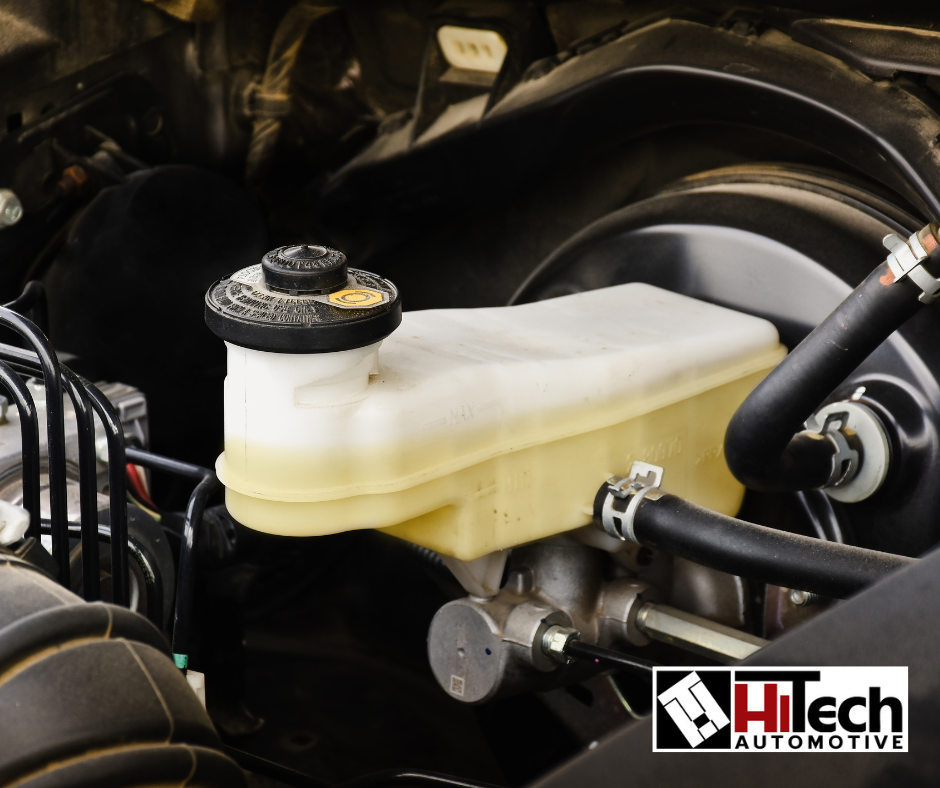
- Dark or dirty brake fluid: Healthy brake fluid is generally clear to light amber, depending on its type. Dark or discolored fluid may indicate contamination or aging.
- Brake warning light: An illuminated brake warning light can indicate low brake fluid or another braking system issue.
- Unusual brake behavior: Changes in pedal feel or braking response should never be ignored.
These symptoms don’t automatically mean it’s time to replace your brake fluid. Other problems, such as worn brake pads, leaks, or failing components, can cause similar issues. Having the entire braking system inspected can help identify the actual cause.
4. What Happens If You Don’t Replace Your Brake Fluid?
Putting off brake fluid maintenance can eventually affect your vehicle’s braking performance and reliability.
One of the biggest concerns is moisture contamination. Since brake fluid is hygroscopic, meaning it naturally absorbs moisture, water can gradually enter the system over time.
As moisture levels increase, the fluid’s boiling point decreases. Under heavy braking, excessive heat can cause moisture in the fluid to boil and create vapor. Unlike liquid brake fluid, vapor is compressible, which can lead to a soft brake pedal and reduced braking effectiveness.
Moisture can also contribute to corrosion inside the braking system. This may damage expensive components such as brake calipers, master cylinders, and brake lines.
Taking the time to replace your brake fluid according to your manufacturer’s recommendations can help prevent these problems.
5. Does Your Driving Style Affect Brake Fluid?
Your driving habits and the conditions you drive in can influence how quickly your braking system experiences wear and heat.
Frequent stop-and-go traffic, driving in mountainous areas, towing heavy loads, and repeated hard braking can generate additional heat within the braking system.
Florida drivers may also experience challenging driving conditions due to heavy traffic and frequent rain. While these conditions don’t automatically mean your brake fluid needs to be replaced more often, they make regular brake inspections especially important.
If you regularly drive under demanding conditions, ask your mechanic whether your manufacturer’s recommended service interval is appropriate for your vehicle.
6. Can You Check Your Brake Fluid Yourself?
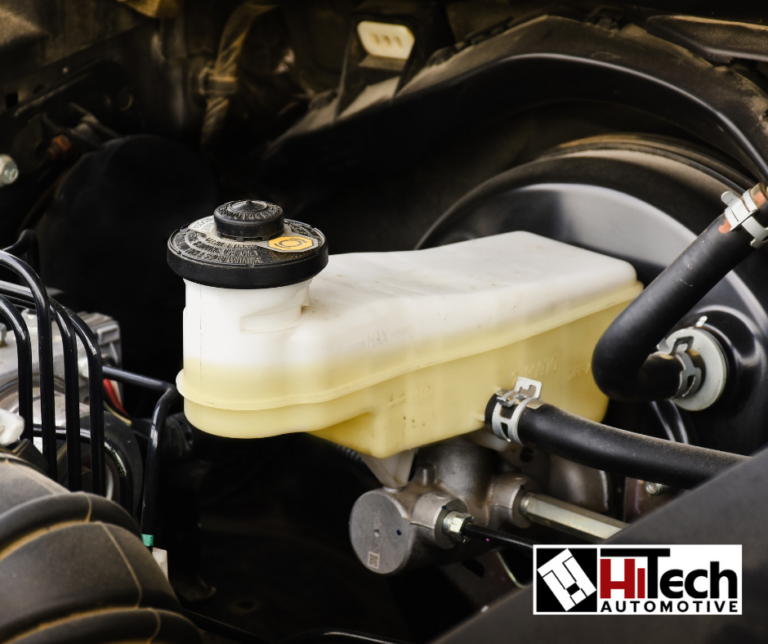
You can perform a basic visual inspection of your brake fluid by locating the brake fluid reservoir under the hood. Most reservoirs have minimum and maximum fill lines that indicate the appropriate fluid level.
However, checking the fluid level alone doesn’t tell you whether the fluid is still in good condition. Brake fluid can appear clean while still containing moisture.
A professional inspection may include checking the fluid’s condition and moisture content using appropriate testing equipment. A technician can also inspect the brake lines, hoses, calipers, and other components for leaks or signs of wear.
If your brake fluid is low, don’t simply add more without investigating why. A low fluid level may indicate worn brake pads or a leak in the braking system.
When Should You Schedule a Brake Inspection?
If you can’t remember the last time you serviced your brake fluid, it’s a good idea to have your vehicle inspected. Knowing when to replace your brake fluid and following your manufacturer’s maintenance schedule can help keep your braking system operating properly.
For additional information about automotive maintenance and finding qualified repair professionals, visit the National Institute for Automotive Service Excellence (ASE).
Keep Your Brakes Working Properly With HiTech Automotive
Knowing when to replace your brake fluid is an important part of keeping your vehicle safe and dependable. From routine brake inspections and fluid exchanges to complete brake repairs, HiTech Automotive is here to help with your vehicle’s maintenance needs.
If you’re unsure about the condition of your brake fluid or have noticed changes in your braking performance, schedule an appointment with HiTech Automotive. Our team can inspect your braking system, identify potential problems, and help keep you safely on the road.