Your vehicle’s suspension does much more than make your ride comfortable. It helps keep your tires in contact with the road, supports proper handling, and contributes to safe braking and steering. When something goes wrong, your vehicle may give you several warning signs that shouldn’t be ignored.
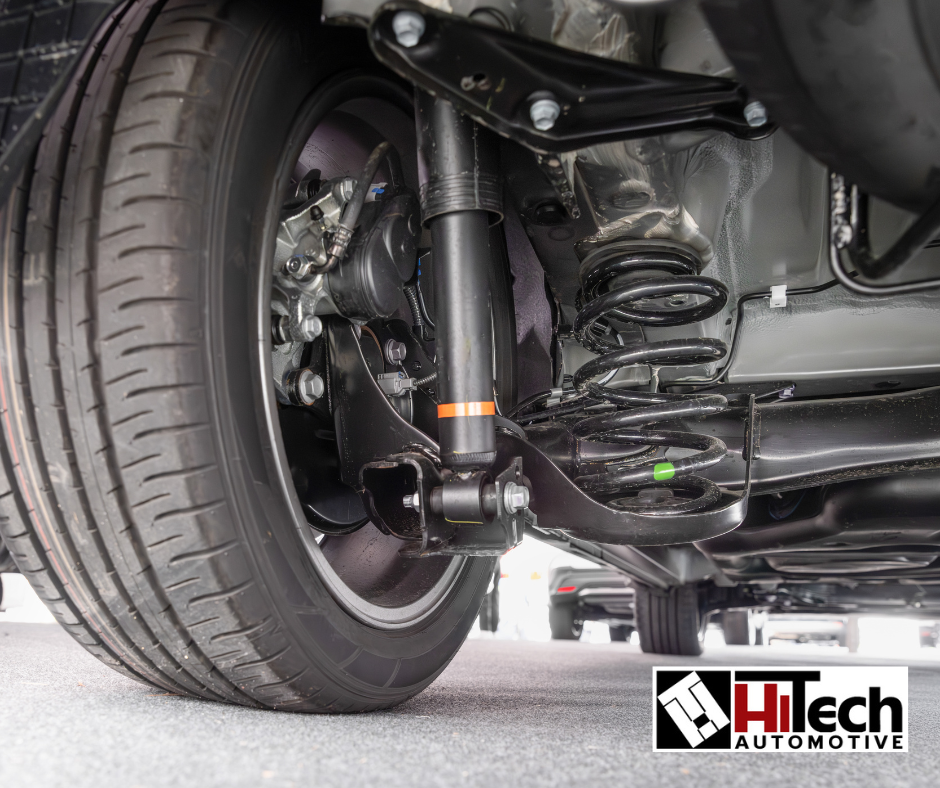
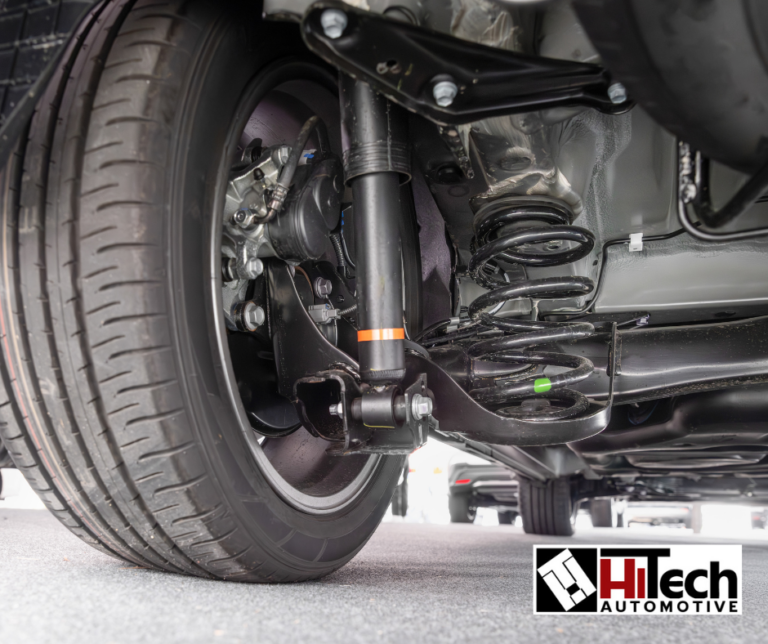
The suspension system includes components such as shocks, struts, springs, control arms, ball joints, and other parts that work together to help your vehicle handle the road. Over time, these components can wear out from normal driving, potholes, rough roads, and everyday use.
Recognizing the signs of suspension problems early can help prevent additional wear and keep your vehicle performing safely.
Your Ride Feels Rougher Than Usual
One of the most noticeable signs of a suspension problem is a ride that suddenly feels rough or bouncy.
Your shocks and struts help control the movement of your vehicle as you drive over bumps and uneven surfaces. When they become worn, your vehicle may bounce excessively instead of settling quickly after hitting a bump.
If your vehicle feels like you’re constantly being tossed around on the road, it may be time to have the suspension inspected.
Your Vehicle Bounces Excessively
Some bouncing is normal when driving over bumps, but your vehicle shouldn’t continue bouncing several times after going over a rough section of road.
Excessive bouncing can be a sign that your shocks or struts aren’t controlling the suspension movement properly. This can also affect how your tires maintain contact with the road.
A simple inspection can help determine whether worn suspension components are contributing to the problem.
Your Vehicle Pulls to One Side
If your vehicle constantly pulls left or right while you’re driving on a relatively straight road, there could be several possible causes.
An alignment issue, uneven tire pressure, worn suspension components, or other steering-related problems can cause your vehicle to pull.
Because steering and suspension components work closely together, it’s important to have the vehicle properly inspected instead of assuming the problem is simply an alignment.
Uneven Tire Wear
Take a look at your tires from time to time. Uneven wear patterns can provide important clues about what’s happening with your vehicle.
If one side of a tire is wearing significantly faster than the other, worn suspension or steering components could be affecting how the tire contacts the road.
Uneven tire wear can shorten the life of your tires and may also affect handling. If you notice unusual wear, have both the tires and suspension inspected.
Your Vehicle Dips When Braking
Does the front of your vehicle noticeably dip forward when you brake? Worn suspension components can contribute to excessive nose-diving during braking.
While braking naturally shifts some of the vehicle’s weight forward, excessive movement may indicate that the shocks or struts aren’t controlling the suspension as effectively as they should.
If you notice significant dipping along with other handling problems, schedule an inspection.
Your Vehicle Leans When Turning
A vehicle should remain relatively controlled when going around corners. If you notice excessive body roll or your vehicle feels like it’s leaning significantly during turns, the suspension may not be controlling the vehicle properly.
This can be particularly noticeable when taking curves at higher speeds or making quick steering movements.
Changes in handling should never be ignored, especially when they appear suddenly or continue to get worse.
You Hear Clunking or Knocking Noises
Unusual sounds coming from underneath your vehicle are another reason to have the suspension checked.
You may hear clunking, knocking, squeaking, or rattling noises when driving over bumps, turning, or braking. These sounds can potentially come from worn or damaged suspension components.
Because several different components can create similar noises, a professional inspection is the best way to identify the actual source.
Your Vehicle Sits Unevenly
Take a look at your vehicle when it’s parked on a level surface. If one corner appears noticeably lower than the others, there could be a problem with a spring or another suspension component.
A vehicle that sits unevenly shouldn’t be ignored. Continuing to drive with a damaged or worn component can potentially lead to additional problems.
Why Suspension Maintenance Matters
A properly functioning suspension helps your tires maintain contact with the road and contributes to predictable steering and handling.
When suspension components become worn, your vehicle may not respond the way you’re accustomed to. Worn components can also contribute to uneven tire wear and place additional stress on other parts of the vehicle.
Road conditions can also accelerate suspension wear. Potholes, rough pavement, curbs, and repeated impacts can all take a toll on suspension components over time.
When Should You Have Your Suspension Inspected?
You don’t necessarily need to wait until something completely fails before having your vehicle checked. If you’ve noticed changes in how your vehicle rides, handles, or sounds, it’s worth having the suspension system inspected.
Schedule an inspection if you notice:
- Excessive bouncing
- A rough or uncomfortable ride
- Uneven tire wear
- Pulling while driving
- Excessive body roll
- Dipping when braking
- Clunking or knocking noises
- A vehicle that sits unevenly
- Changes in steering or handling
Catching worn components early can help prevent additional damage and keep your vehicle operating properly.
Keep Your Suspension in Good Condition
Your suspension plays an important role in your vehicle’s handling, comfort, and overall road performance. If your vehicle doesn’t feel the way it used to, don’t assume the changes are simply because it’s an older car.
Whether you’re dealing with unusual noises, uneven tire wear, excessive bouncing, or changes in handling, HiTech Automotive can inspect your vehicle and determine whether your suspension needs attention.
Taking care of suspension problems early can help protect your tires, improve your driving experience, and keep your vehicle performing the way it should.
For more information about automotive service and repair, the National Institute for Automotive Service Excellence (ASE) offers helpful resources for vehicle owners.